
Last updated September 24, 2026
Free in-home measure and quote - PGT, CGI and CWS impact lines compared on your actual openings, style by style
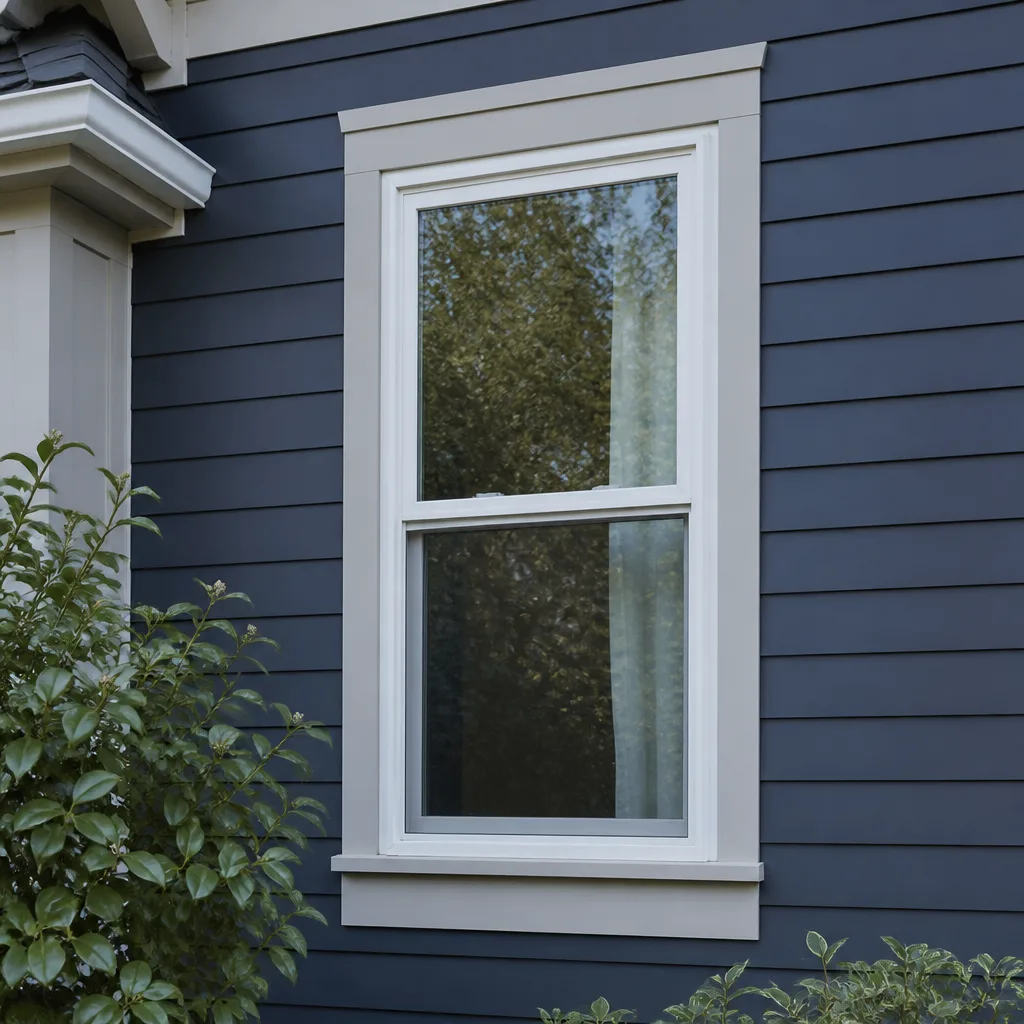
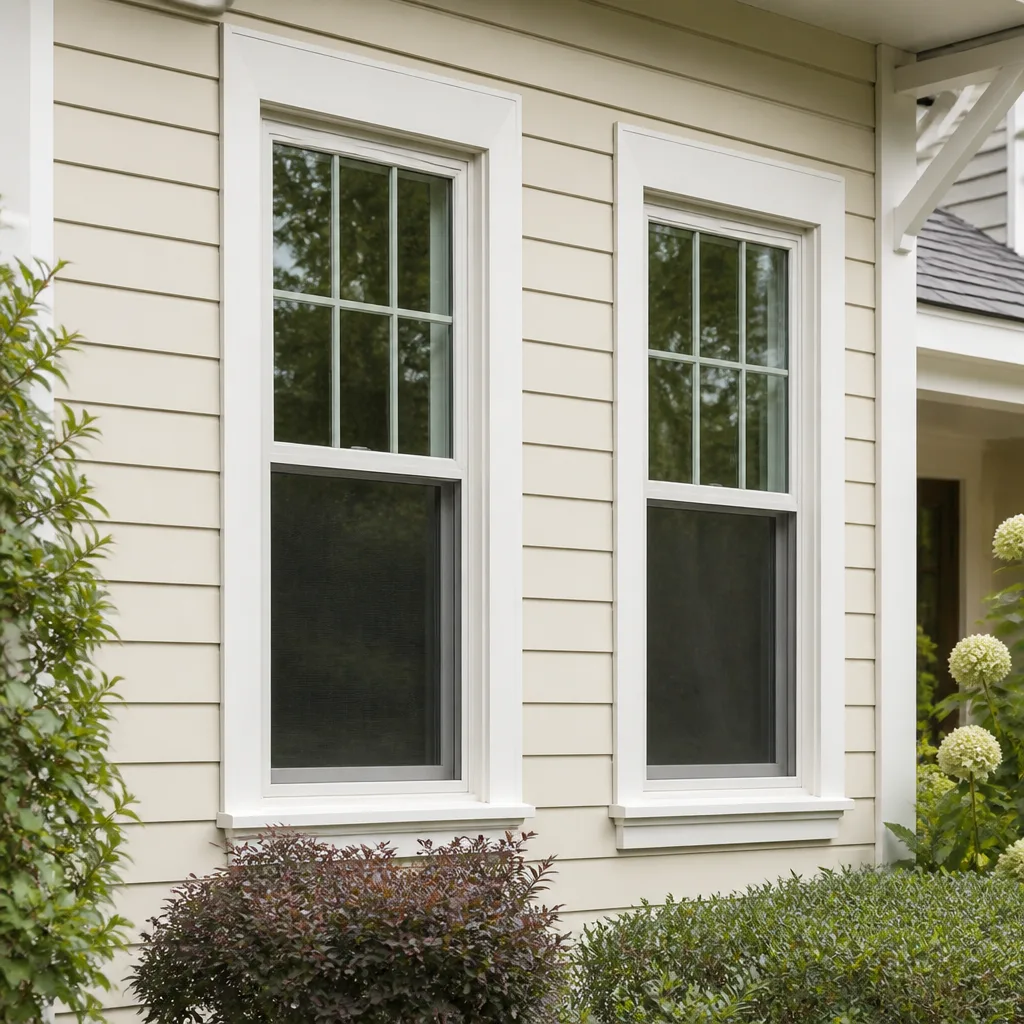
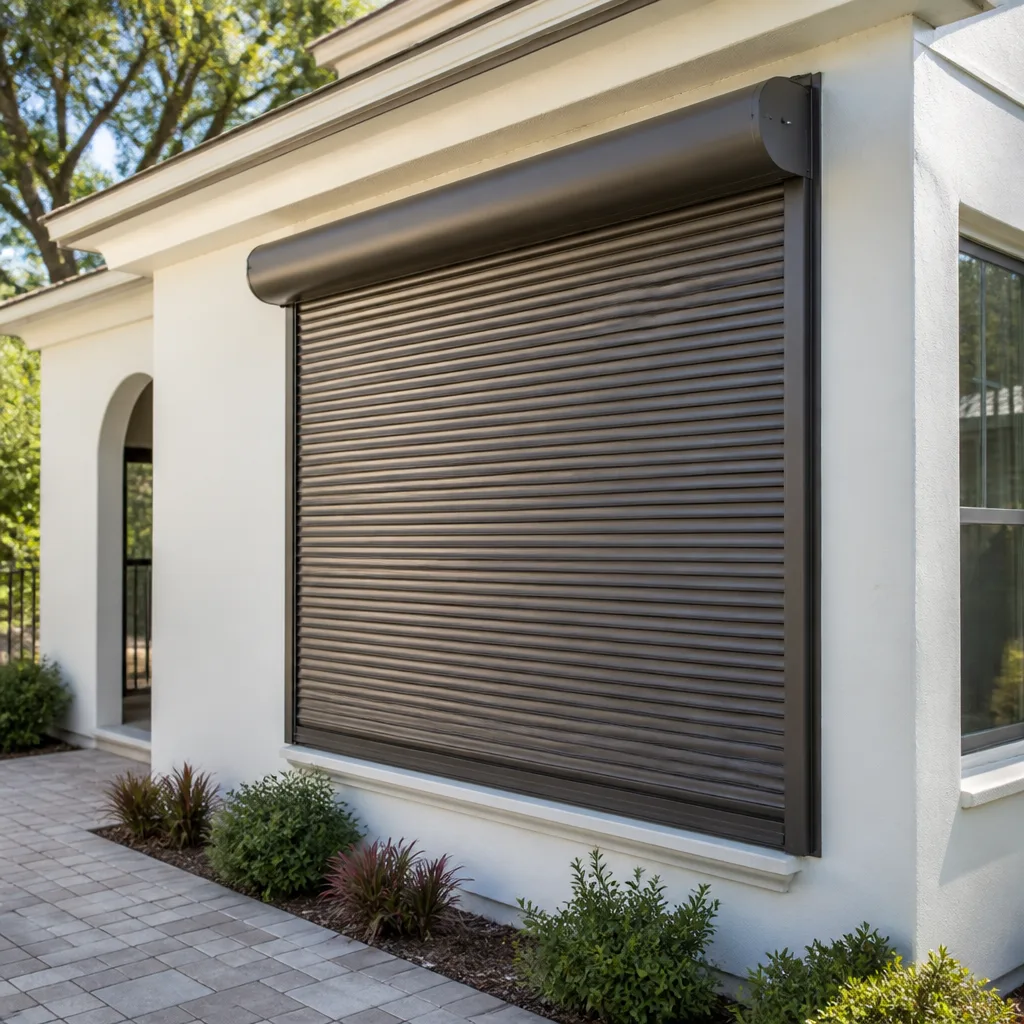
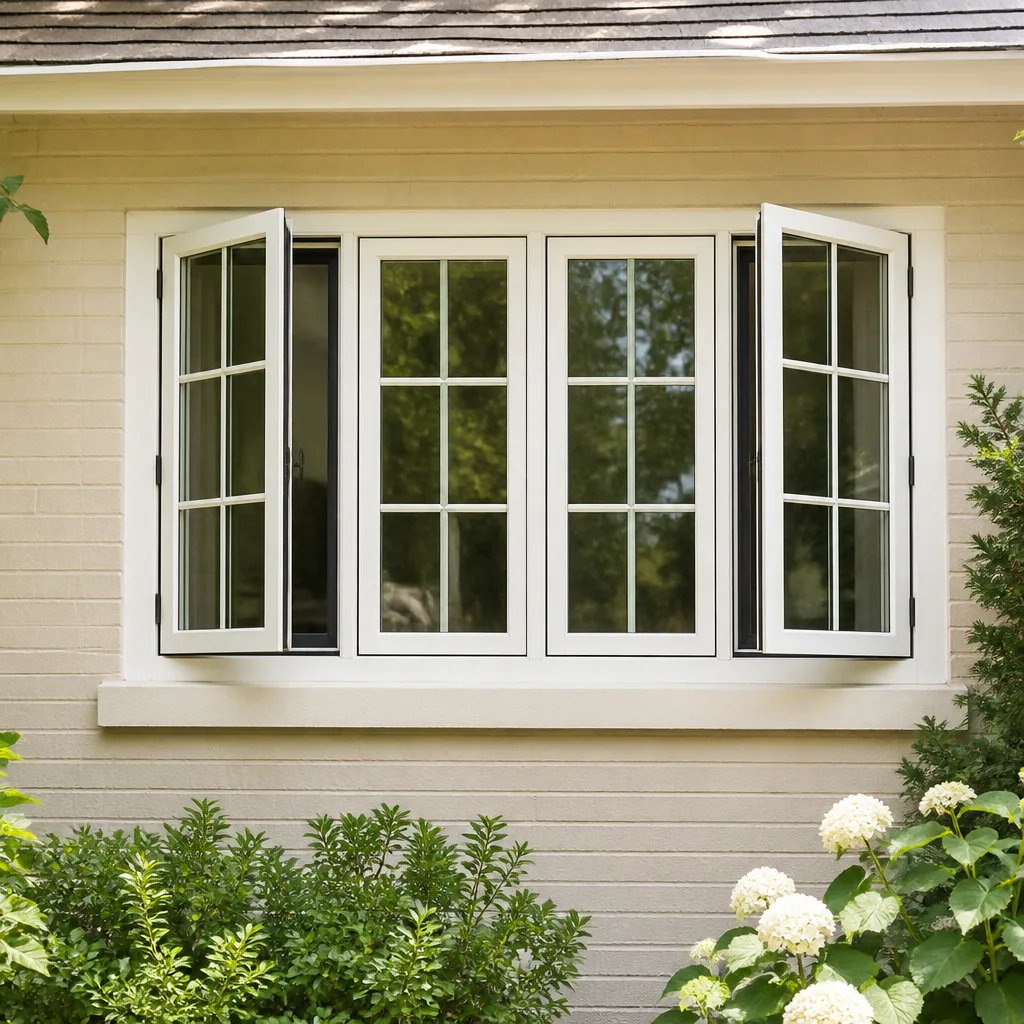
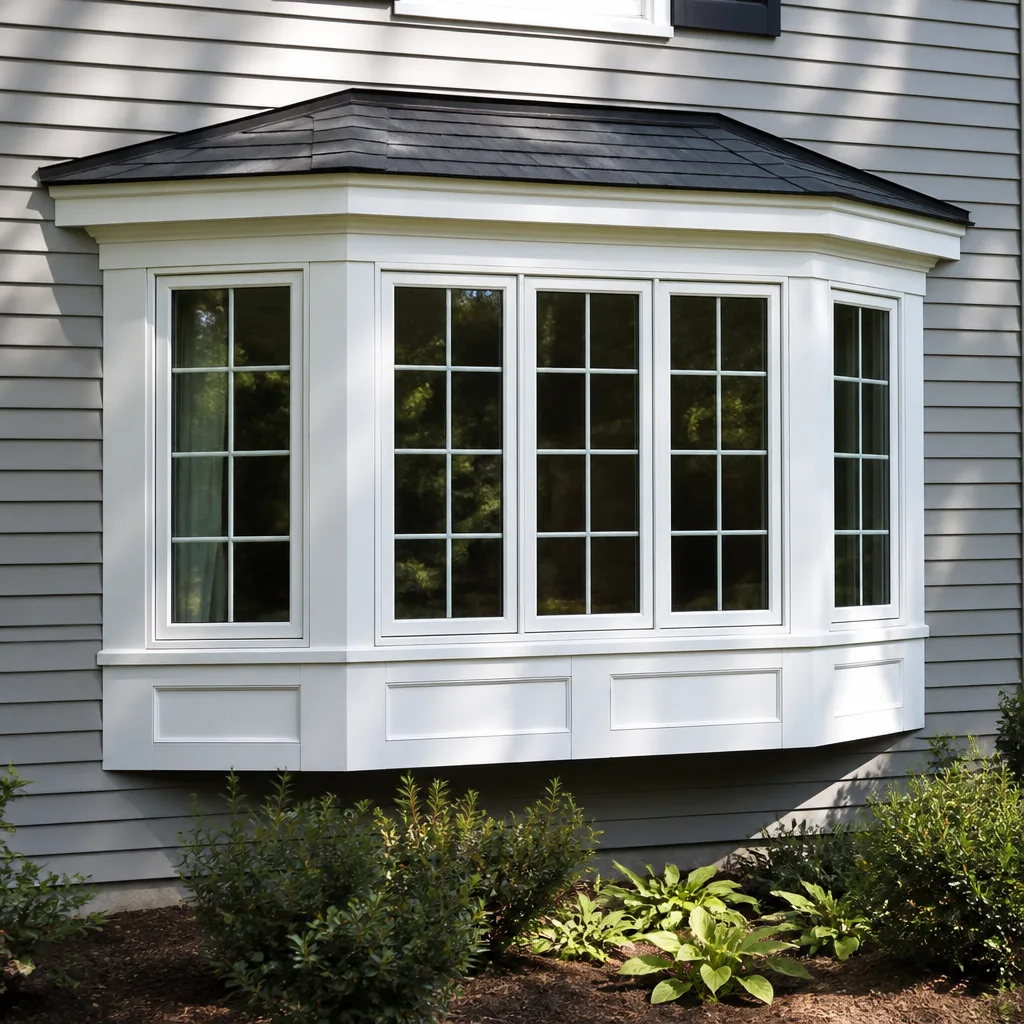
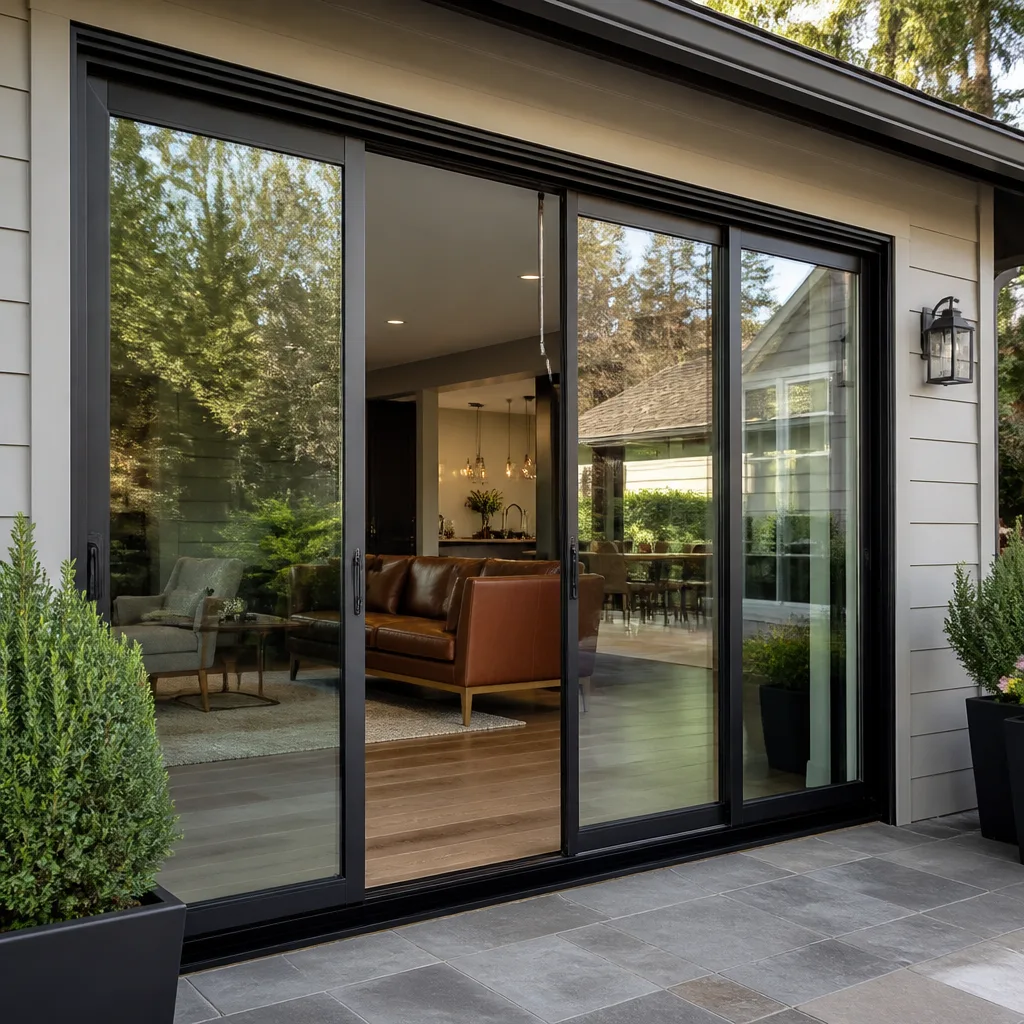
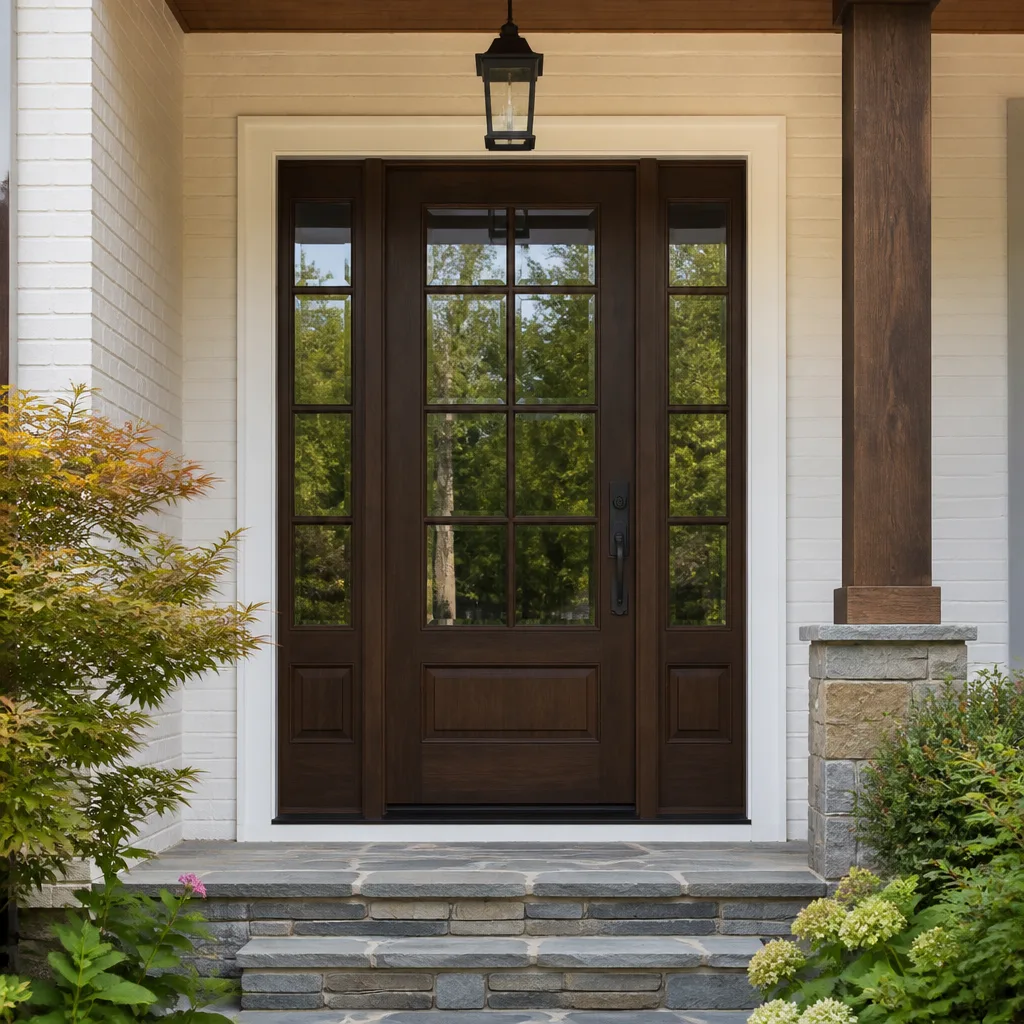



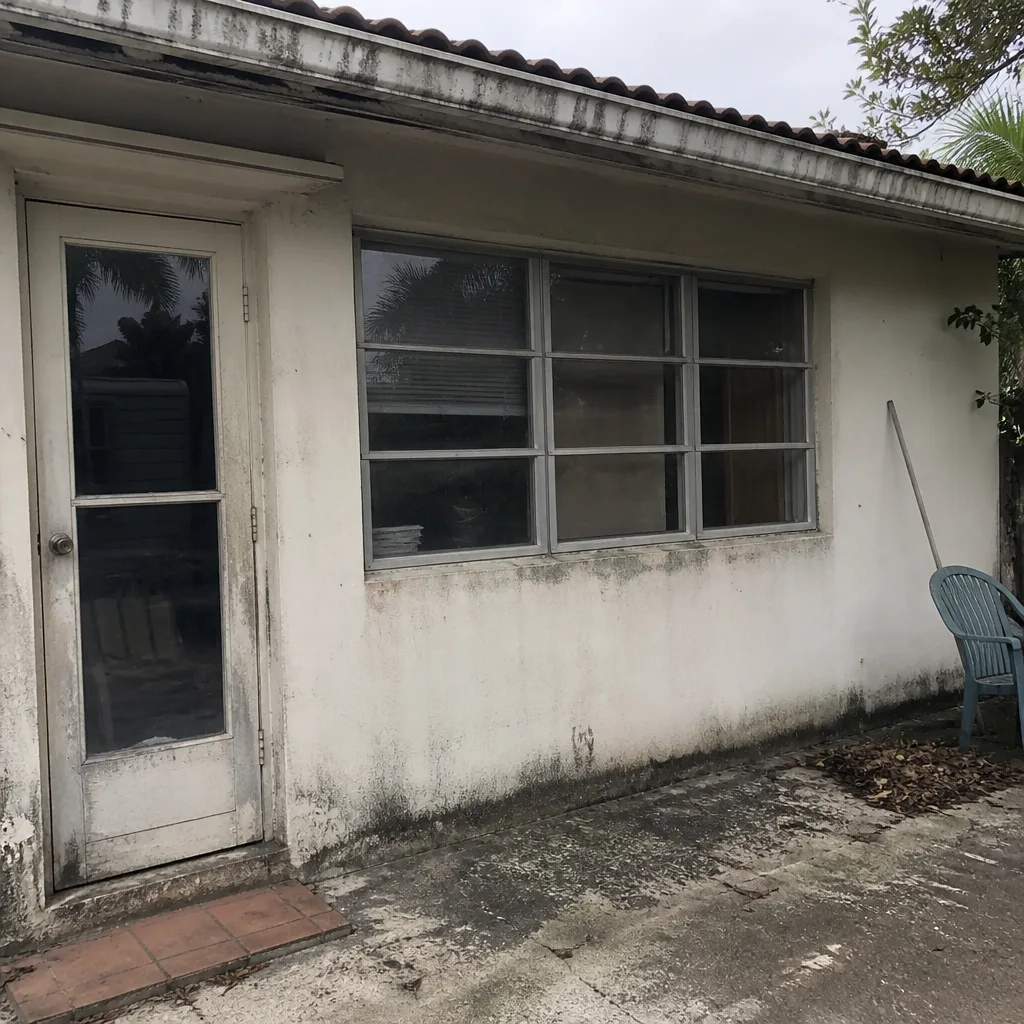 Before
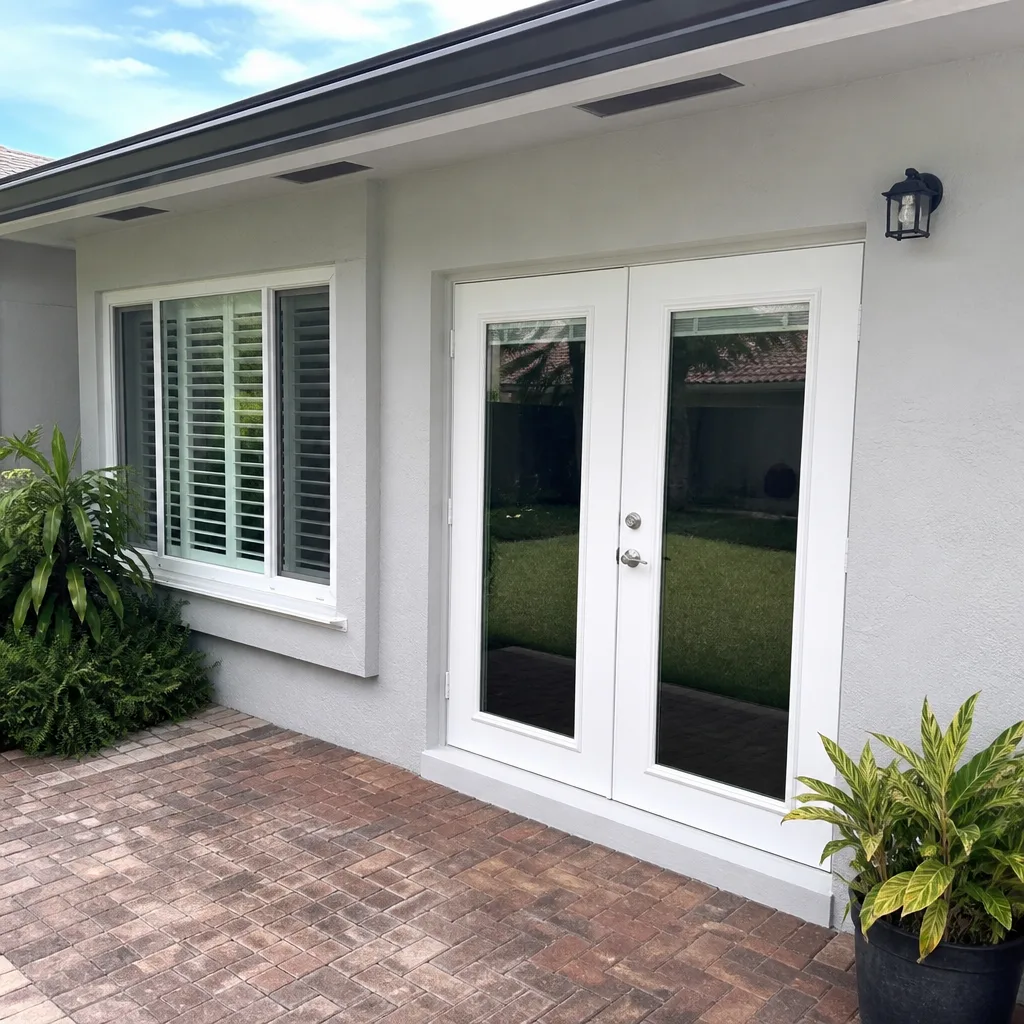 After
After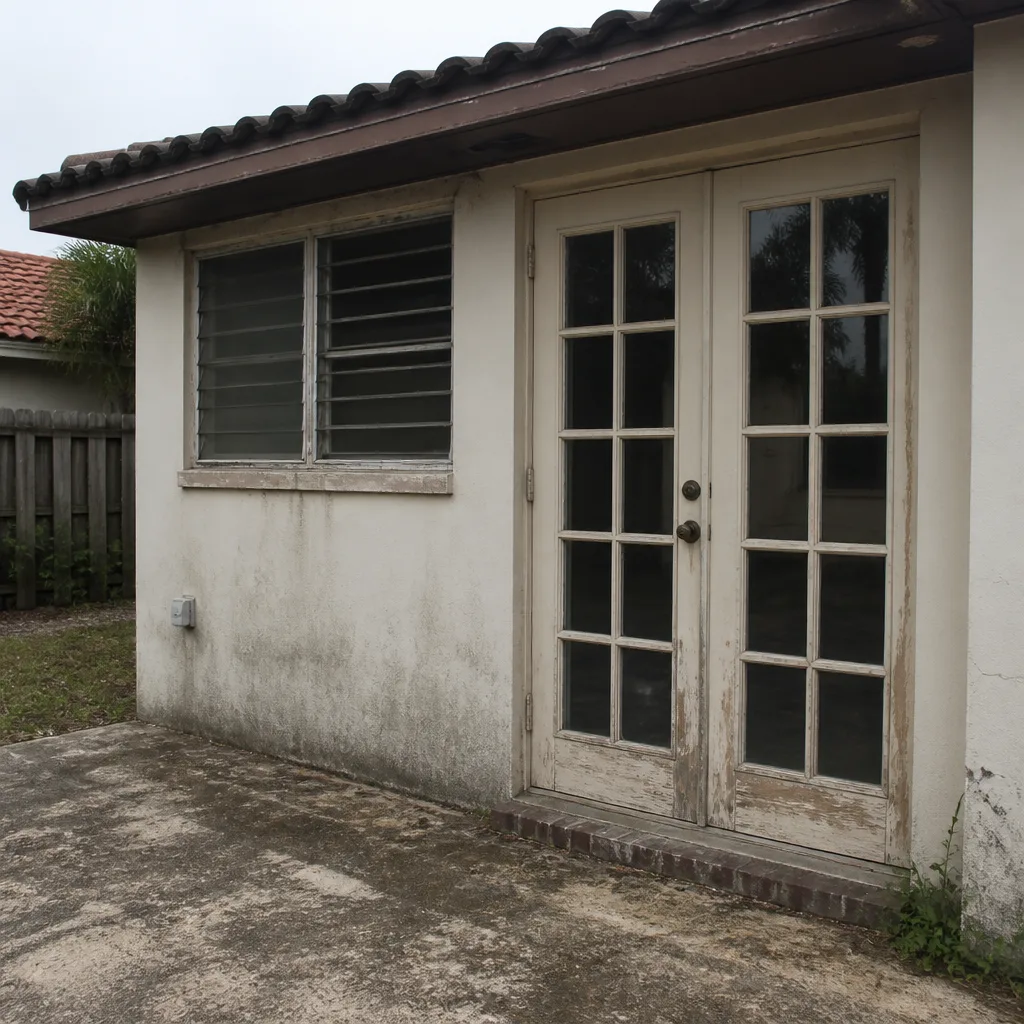 Before
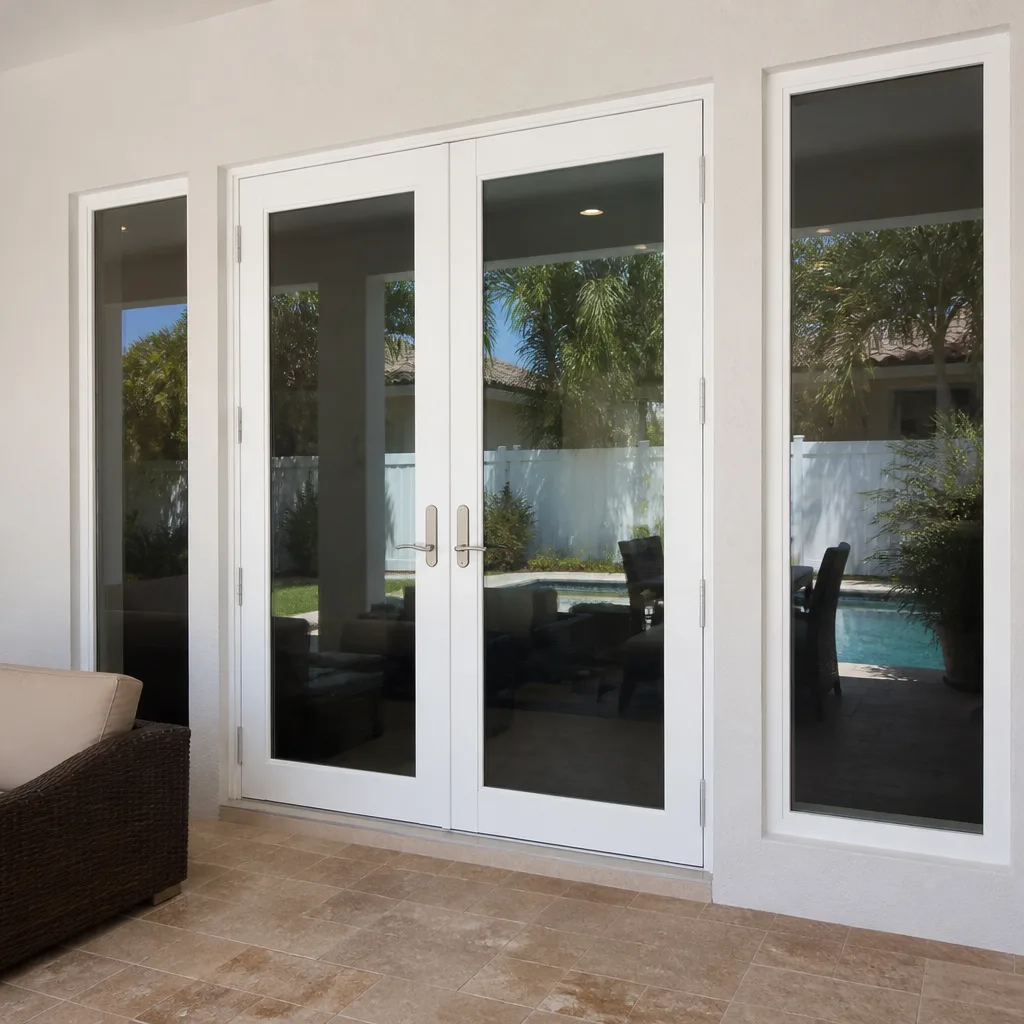 After
After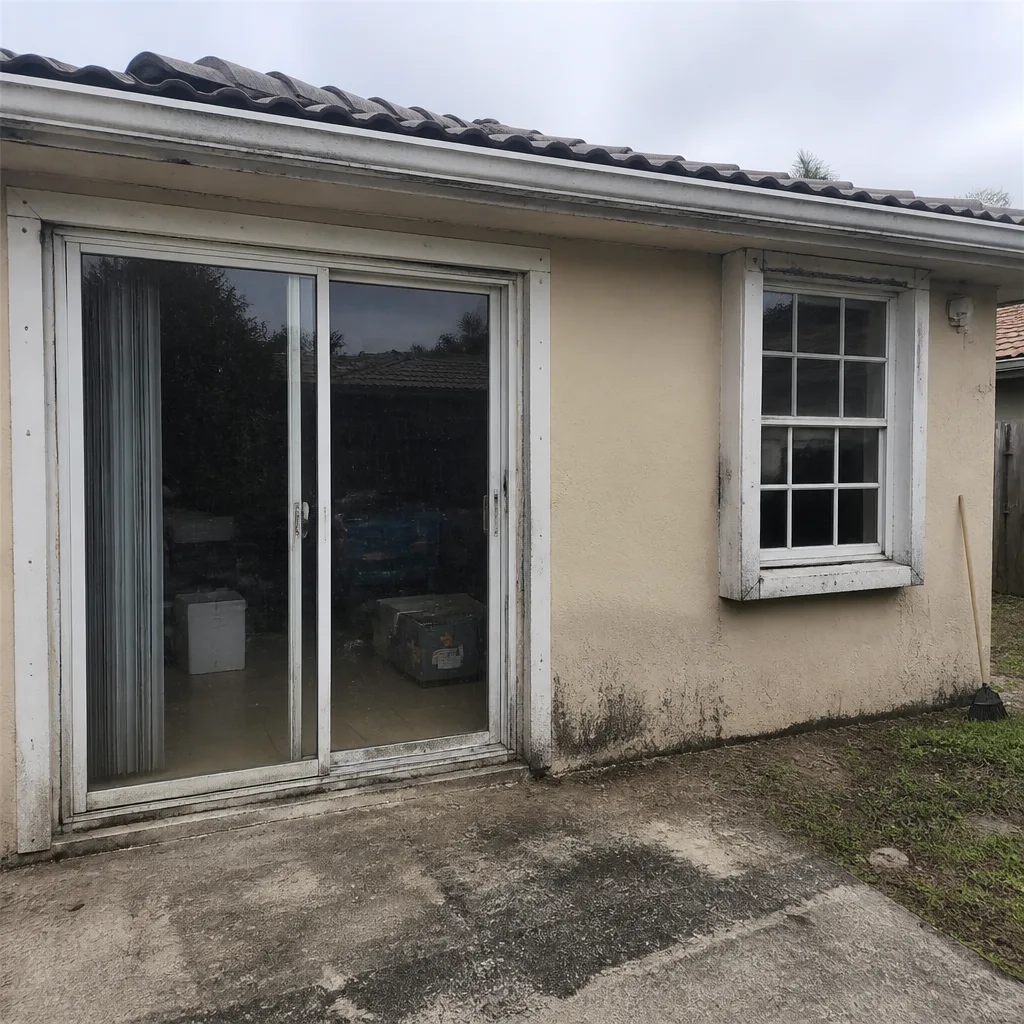 Before
 After
AfterSeasonal Windows & Doors Care for Kendall: Year-Round Homeowner’s Guide
Kendall does not experience four seasons. It experiences two distinct stress regimes: a dry season that pulls sealants apart through daily thermal cycling, and a wet season that delivers rainfall intensity exceeding 4 inches per hour during June through September thunderstorms. That rate will find any gap the dry season opened. Most homeowners in neighborhoods like The Hammocks, Kendale Lakes, and Dadeland discover water intrusion only after the damage is hidden inside the wall. This guide maps a maintenance schedule around Kendall’s binary climate reality, with specific protocols for the pre-wet-season inspection, the post-wet-season assessment, and the material-specific care that south and west elevations demand.
Quick Answer
Seasonal window and door care in Kendall requires two focused inspection periods: April through May to verify drainage paths and sealant continuity before the wet season, and October through November to document any water intrusion evidence before it becomes concealed mold. Between these periods, quarterly hardware maintenance and annual hurricane shutter interface checks protect the investment. Homes with direct south and west exposure need additional UV-specific frame assessment every 18 months.
Table of Contents
- Kendall’s Binary Climate: Why Two Seasons Define Your Maintenance Calendar
- Pre-Wet-Season Inspection Protocol: April-May
- Wet-Season Protection: June-September
- Post-Wet-Season Assessment: October-November
- Dry-Season Hardware and Finish Maintenance
- UV Degradation on South and West Elevations
- Hurricane Shutter Interface Points: Annual Inspection
- Product-Specific Care by Frame Material
 Before
 After
AfterKendall’s Binary Climate: Why Two Seasons Define Your Maintenance Calendar
The National Weather Service records for Miami International, 8 miles northeast of central Kendall, show a mean dry-season rainfall of 2.1 inches per month from November through April, versus 7.4 inches per month from June through September. But the critical difference is not total volume. It is intensity and thermal amplitude combined.
During Kendall’s dry season, daytime highs reach the upper 70s to low 80s while nighttime lows drop into the 50s and 60s. That daily 20-degree swing causes aluminum and vinyl frames to expand and contract. Sealants, which are formulated to remain flexible, nonetheless fatigue at the bond line where they meet dissimilar materials: aluminum frame to stucco, vinyl jamb to concrete sill. By late April, a sealant bead that was continuous in January may have developed hairline fractures invisible from the ground.
The wet season does not gradually announce itself. It arrives with mesoscale convective systems that train across western Miami-Dade County, dropping 3 to 6 inches in hours on neighborhoods like Country Walk and Three Lakes. Water at that volume and pressure behaves differently than the gentle rains of a temperate climate. It will exploit any discontinuity: a weep hole blocked by paint, a gasket that no longer compresses to its original specification, a sill pan with an insufficient slope to the exterior.
This is why Kendall maintenance is binary. The dry season creates the conditions for failure. The wet season executes the failure. Your inspection schedule must intercept between these two phases.
Key implications for your calendar:
- Sealant inspection belongs in April, not October
- Drainage verification belongs in May, not after the first storm
- Documentation of interior conditions belongs in November, when evidence is still fresh
- Hardware maintenance belongs in January and July, when humidity is lowest and lubricants will not attract airborne grit
Homes built between 1980 and 2005 in Kendall, particularly in the Kendale Lakes and Sunset areas, often have original aluminum single-hung windows with integral fin frames. These units lack the thermal breaks and drainage sophistication of modern products like the window installations we specify in Kendall from CWS or ECO Window Systems. Their maintenance burden is higher, and their failure modes are more abrupt.
Pre-Wet-Season Inspection Protocol: April-May

The April through May window is your only opportunity to identify and correct vulnerabilities before they are tested under pressure. We have documented over 18,000 openings since 2012, and the pattern is consistent: the majority of wet-season water intrusion in Kendall homes traces to conditions that were visible and correctable in April.
Step 1: Drainage path verification
Every operable window and sliding door has a designed drainage path, typically through weep holes in the sill or track. In Kendall’s environment, these paths fail through three mechanisms:
- Physical blockage: paint overspray from exterior repainting, insect debris, or sediment from wind-driven rain
- Negative slope: settlement of the subsill or improper original installation that causes water to pool rather than drain
- Capillary bridging: sealant or caulk applied by a previous owner or contractor that bridges the weep slot, converting a drain into a dam
Inspection method: Open the sash or panel fully. Pour 8 ounces of water slowly into the track. It should exit through visible weep holes within 30 seconds. If water pools, the path is compromised. Do not drill new holes. The existing geometry was engineered for the frame’s structural capacity and water management. Altering it voids manufacturer warranties on products like ES Windows or Mr-Glass systems and can create stress risers in the extrusion.
Step 2: Gasket compression test
Compressible gaskets seal the interface between sash and frame, or between panels in a sliding system. Over time, permanent set occurs: the gasket no longer returns to its original thickness after compression. In Kendall’s UV environment, this accelerates on south and west elevations.
Close and lock the window or door. Attempt to insert a 0.020-inch feeler gauge (approximately the thickness of a standard business card) at the gasket interface. If it passes through at multiple points, the gasket has lost design compression. Replacement is straightforward on most modern systems; on older units, the gasket profile may be obsolete, requiring sash or frame component replacement.
Step 3: Sealant continuity survey
Walk the exterior perimeter of every opening with a bright raking light (early morning or late afternoon sun works). Look for:
- Hairline cracks in the sealant bead, particularly at corners where dissimilar materials meet
- Adhesive failure: sealant pulling away from one substrate while adhering to the other
- Cohesive failure: sealant splitting internally, leaving material on both substrates but a void in the center
- Previous repairs with incompatible materials: silicone over urethane, or latex caulk anywhere on an exterior opening
Document with dated photographs. Compare year to year. A crack that grows from 1/16 inch to 1/8 inch in one season indicates active movement and requires substrate investigation, not simply resealing.
Step 4: Sill pan and flashing inspection
This requires removing a small section of interior trim at the sill, or using a borescope if you prefer non-destructive methods. You are looking for evidence of previous water contact: staining on the rough sill, corrosion of fasteners, or deterioration of the sill pan material itself. In Kendall homes with CBS (concrete block structure) construction, the rough opening sill is often untreated wood buck. Chronic wetting causes fungal degradation that compromises the structural attachment of the window.
If you find staining but no active moisture, photograph and monitor. If you find active moisture or soft wood, the opening requires professional assessment. The window replacement process in Kendall includes full rough-opening inspection as standard under our Haven Standard; we have replaced units where the buck was degraded to the point of requiring structural repair before new window installation could proceed.
Wet-Season Protection: June-September
Once the wet season begins, maintenance shifts from prevention to monitoring. You cannot reseal effectively during daily thunderstorms, but you can prevent minor issues from becoming major damage through disciplined observation.
Interior perimeter checks after each major storm event
Not every storm, but those exceeding 2 inches in an hour or accompanied by sustained winds above 35 mph. Check:
- Interior sill and stool for standing water or dampness
- Drywall corners below the opening for discoloration or texture change
- Floor covering at the wall junction: carpet tack strip corrosion, vinyl lifting, wood floor cupping
- Cabinetry or built-ins on the exterior wall below windows: musty odor, back panel staining
Document with dated photographs. This creates a timeline if professional intervention becomes necessary.
Operable hardware during high-humidity periods
Kendall’s wet-season relative humidity routinely exceeds 85%. Aluminum hardware can develop surface oxidation that increases operating friction. Do not force stuck locks or latches. The internal cam or keeper mechanism can fracture, converting a lubrication issue into a hardware replacement. If a lock becomes resistant, discontinue use and address it during the dry-season maintenance window.
Hurricane shutter deployment readiness
If your home has colonial shutters, accordion systems, or panel shutters, June is the time to verify full deployment without binding. Do not wait for a watch or warning. The interface points between shutter hardware and window frame are discussed in detail in the dedicated section below, but wet-season readiness includes confirming that deployed shutters do not compress or distort window gaskets.
Post-storm debris clearance
Wind-driven debris accumulates in window tracks and door thresholds. Organic material holds moisture against aluminum and accelerates galvanic corrosion if dissimilar metals are present. Remove debris within 24 hours of storm passage. Flush tracks with fresh water and verify weep hole function.
Post-Wet-Season Assessment: October-November

The October through November period is the most underutilized maintenance opportunity for Kendall homeowners. The wet season has concluded. Evidence of intrusion is still visible. Hurricane risk has diminished. And the dry season’s lower humidity means corrective work can proceed without weather delays.
Interior documentation protocol
Systematically inspect every opening from the interior:
- Remove window treatments that may conceal sill conditions
- Probe painted wood components with a sharp awl: soft spots indicate previous wetting that has dried, with probable hidden decay
- Check for efflorescence on painted drywall: white crystalline deposits indicate water migration carrying soluble salts
- Inspect corner bead at drywall openings: rust staining indicates chronic moisture at the rough opening perimeter
- Photograph all findings with scale reference (ruler or coin) and date stamp
This documentation serves two purposes. First, it establishes whether a condition is active or historical. Second, it provides evidence for insurance or warranty claims. The 365-Day Done Right Promise that governs every Sightline Windows & Doors Kendall installation includes documentation as standard; we encourage homeowners to maintain parallel records for any work not performed under our scope.
Exterior sealant re-evaluation
The wet season has tested every sealant joint. Now, in lower humidity and more moderate temperatures, is the correct time for replacement or supplementation. Key differences from the April inspection:
- You now know which joints performed and which failed under actual load
- Substrates are at their driest moisture content, optimizing adhesion
- Cure times are predictable; you are not racing the next storm
Use only sealants rated for exterior dynamic joints in south Florida exposure. Silicone-polyether hybrids or high-performance polyurethanes are appropriate. Acrylic latex, even labeled “exterior,” lacks the elongation and UV resistance for this application.
Hardware corrosion assessment
Remove a representative sample of fasteners from non-critical locations (interior stop screws, for example). Examine for galvanic corrosion, particularly where aluminum hardware contacts steel fasteners in salt-proximity environments. Kendall’s position 8 to 12 miles inland provides some mitigation versus coastal Coral Gables or Palmetto Bay, but prevailing easterlies still deposit chloride. Stainless steel fasteners are standard on current products from manufacturers like CWS and Therma-Tru; older installations may have zinc-plated steel that requires periodic replacement.
Dry-Season Hardware and Finish Maintenance
Kendall’s dry season, November through April, delivers the lowest humidity and the most predictable temperatures. This is when hardware maintenance produces lasting results, not temporary relief.
Aluminum frame finishes
Anodized aluminum, common on impact-rated products from PGT and CGI, develops a chalky surface oxidation in UV exposure. This is not structural failure; it is the sacrificial oxidation layer performing as designed. Clean with a soft brush and mild detergent solution. Do not use abrasive pads or alkaline cleaners (including many “heavy duty” household products), which will strip the anodized layer and accelerate subsequent degradation.
Powder-coated aluminum, increasingly specified for color-matched applications, requires different care. The coating is organic and will chalk and fade differentially by elevation. South and west faces in Kendall show measurable color shift in 5 to 7 years; north and east faces may exceed 10 years. There is no restorative treatment. When aesthetic tolerance is exceeded, component replacement or full window installation in Kendall is required.
Vinyl frame maintenance
Vinyl (uPVC) does not corrode, but it does accumulate electrostatically bonded particulate: pollen, road dust, and salt aerosol. Clean with a solution of 30% white vinegar in water, applied with a soft cloth. The mild acidity neutralizes alkaline deposits without attacking the vinyl stabilizers. Rinse thoroughly. Do not use solvents, which can extract plasticizers and cause embrittlement.
Hardware lubrication protocol
- Remove all accessible fasteners and clean threads with a wire brush
- Apply lithium-based grease to sliding and rotating interfaces: sash balances, hinge pins, lock cams
- Apply dry graphite to key cylinders; oil-based lubricants attract grit in Kendall’s dusty dry season
- Torque fasteners to manufacturer specification; do not overtighten into aluminum threads
- Cycle hardware 10 full operations to distribute lubricant
Perform this in January, when humidity is lowest and the lubricant will not emulsify with atmospheric moisture.
UV Degradation on South and West Elevations
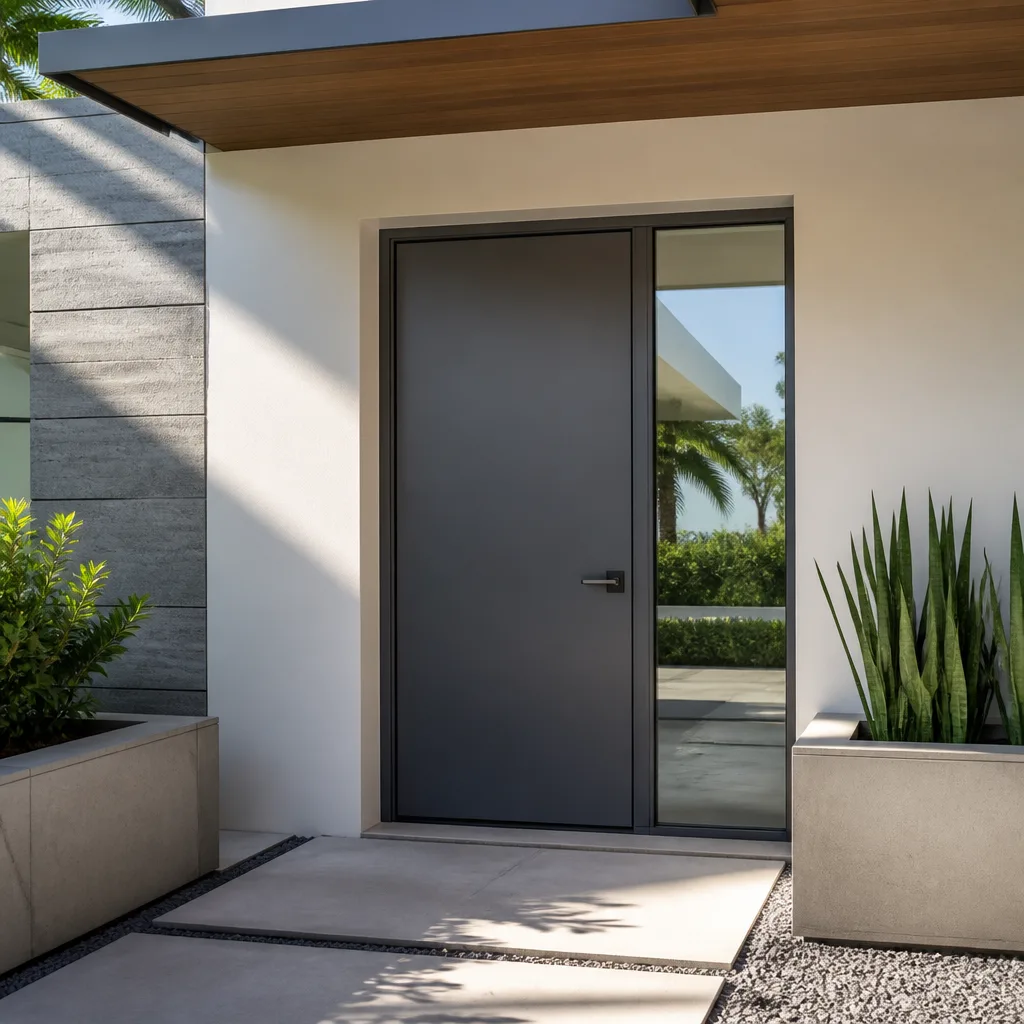
Kendall’s latitude, 25.7 degrees north, means the sun passes within 12 degrees of vertical at solar noon in June. South and west elevations receive not just direct beam radiation but also significant reflected radiation from paved surfaces and adjacent structures. The cumulative effect on window and door materials is documented and predictable.
Glazing degradation
Insulated glass units (IGUs) with standard edge construction will develop seal failure faster on high-UV elevations. The primary seal (polyisobutylene) degrades through photo-oxidation. The secondary seal (silicone or polysulfide) then carries the full structural load. When it fails, argon or air fill is lost, and interior fogging occurs.
Documented rate: In south Florida exposure, standard-edge IGUs show measurable argon loss in 8 to 12 years on north elevations, 5 to 8 years on south and west. Warm-edge spacer systems, standard on higher-performance lines from ES Windows and ECO Window Systems, extend this by 30 to 50% through reduced thermal stress at the edge seal.
If you observe interior fogging that clears with temperature change, the unit has breached. It will not improve. Replacement is the only correction. The window replacement process in Kendall includes assessment of whether adjacent units in the same elevation are at similar risk, allowing proactive rather than reactive replacement.
Frame material UV response
Aluminum: Thermal expansion coefficient of 12.3 x 10^-6 in/in/°F. A 6-foot frame in Kendall’s 40-degree daily swing moves approximately 0.035 inches. Over 20 years, this is approximately 250,000 cycles. Fatigue cracking initiates at stress concentrators: corners, screw holes, thermal break interfaces. Inspect these locations annually on south and west elevations.
Vinyl: Color-through vinyl (no cap stock) fades uniformly but slowly. White becomes ivory; tan becomes beige. Cap-stock vinyl (thin colored layer over white substrate) shows more dramatic failure: the cap layer chalks and erodes, exposing the contrasting substrate. This is cosmetic but indicates UV dosage that may also be affecting impact modifiers in the base material, reducing impact resistance.
Fiberglass: Lowest thermal expansion, highest UV stability. The limiting factor is the exterior gel coat, which will chalk similarly to marine fiberglass. Refinishing is possible with specialized coatings, but most homeowners replace for aesthetic reasons before structural limits are reached.
Hurricane Shutter Interface Points: Annual Inspection
Kendall lies in Miami-Dade County’s High-Velocity Hurricane Zone. Most homes have impact-rated glazing or shutters, or both. The interface between shutter system and window/door frame is a distinct maintenance item, often neglected because it belongs to neither trade exclusively.
Colonial and Bahama shutters
Hinge attachment to the frame or adjacent structure: Verify fastener torque and substrate integrity. The shutter imposes lateral load on the frame during deployment; loose fasteners wallow out the attachment hole and convert a distributed load into a point load. Check for paint or corrosion at the hinge barrel that would indicate binding.
Accordion shutters
Track mounting to frame header and sill: The track must remain parallel within 1/8 inch over its length for smooth operation. Settlement, thermal cycling, or fastener loosening causes binding. Lubricate the track interior with silicone spray, not petroleum-based products that attract grit. Verify that the locking mechanism engages fully without forcing; partial engagement will not withstand design pressure.
Panel shutters
Track or stud systems: The most common failure is stud pullout from the frame or wall. This occurs when the stud was installed into compromised substrate (hollow block, degraded mortar joint) or when the shutter panel was forced onto misaligned studs, imposing prying load. Annual deployment verifies alignment. If a stud rotates under hand pressure, it requires reinstallation with epoxy anchoring.
Critical separation: shutter maintenance is not window maintenance
A shutter system may be fully functional while its mounting has damaged the window frame. Conversely, a window may be structurally sound while shutter deployment would compromise its seals through frame distortion. Inspect both systems in interaction, not isolation.
Homes in The Crossings and Kendall West, built in the 1990s shutter-mandate period, frequently have original shutter hardware with no documented maintenance history. We have encountered installations where the shutter track was fastened through the window nailing fin, compromising both systems. Professional assessment is warranted when any interaction is suspected.
Product-Specific Care by Frame Material
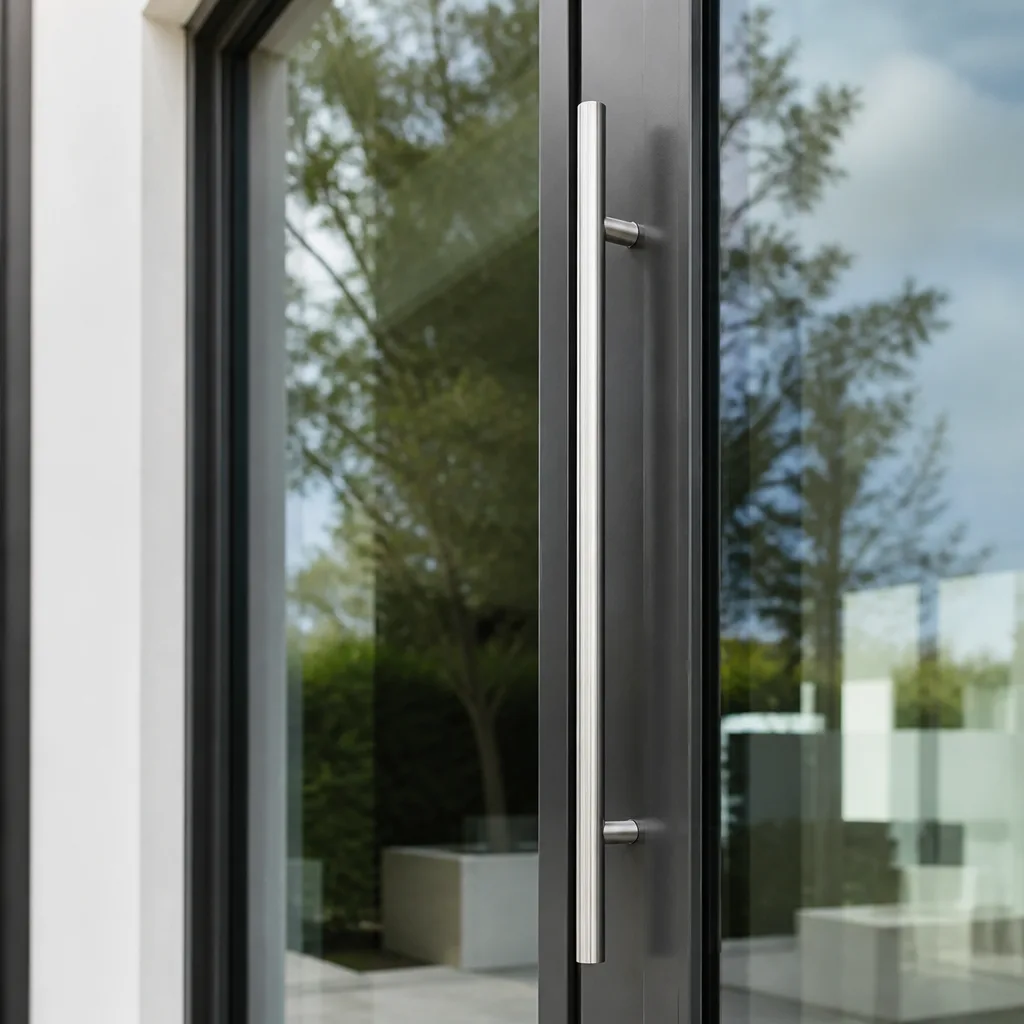
The eight manufacturer lines we specify for door installation in Kendall and window applications span aluminum, vinyl, fiberglass, and composite materials. Each has distinct maintenance requirements in Kendall’s climate.
Impact-rated aluminum (PGT, CGI, CWS)
These products meet Miami-Dade NOA requirements for missile impact and cyclic pressure. The maintenance burden is moderate but specific:
- Anodized finishes: Clean annually, no abrasives
- Thermal breaks: Inspect for separation at corners; the polyamide strip can degrade if water intrudes at the break cavity
- Impact laminates in the glazing: Do not apply aftermarket films; the laminated interlayer is engineered to specific thickness and the addition of film alters stress distribution under impact
Vinyl impact and non-impact (ECO Window Systems, CWS vinyl lines)
Vinyl’s insulation value is advantageous, but its expansion coefficient is approximately five times that of aluminum. In Kendall’s thermal cycling, this creates shear at the glass edge seal and at hardware attachment points. Maintenance focuses on:
- Hardware screw torque: Check annually; screws back out as vinyl creeps under sustained load
- Drainage path integrity: Vinyl welds at corners are the weak point; inspect for separation
- Color stability: Dark colors absorb more UV energy and cycle through wider temperature swings; we generally specify white or light tan for south and west elevations in Kendall
Fiberglass and composite (Therma-Tru, ViewLux)
Entry door systems benefit from fiberglass’s dimensional stability. The maintenance focus is on the finish system:
- Factory-applied stains and paints: Recoat per manufacturer schedule, typically 5 to 7 years in south Florida
- End-grain exposure at cutouts for hardware: Seal promptly; fiberglass is impervious but the composite core at cut edges can wick moisture
- Threshold and sill pan: These are the most frequently neglected components; verify drainage and sealant annually
Specialty glazing (Mr-Glass, ES Windows custom lines)
Custom geometric units, radius tops, and oversized panels have concentrated stress at the narrowest glass dimension. Thermal stress cracking initiates at the edge and propagates perpendicular to the shortest dimension. In Kendall’s high-UV, high-thermal-amplitude environment, these units require:
- Edge cover verification: The frame must fully cover the glass edge per manufacturer specification; exposed edge is a crack initiator
- Shading analysis: Adjacent structures or plantings that shade part of the unit while leaving part exposed create differential thermal stress
- More frequent seal inspection: Custom IGUs often have hand-worked edge seals with higher variability than automated production lines
Common Mistakes to Avoid
- Applying silicone sealant over existing urethane. The new sealant will adhere to itself but not to the old, creating a trapped water path. Remove old sealant to bare substrate, or use a compatible primer specified by the sealant manufacturer.
- Drilling weep holes where they were “forgotten.” Weep hole location is engineered for the specific frame extrusion. Random drilling creates stress risers, voids warranties, and often misses the internal drainage channel entirely.
- Pressure-washing window and door interiors. High-pressure water will force past gaskets designed for rainfall, not direct spray. It will also drive water into wall cavities at trim interfaces. Use low-pressure rinse and brush cleaning only.
- Ignoring the garage door as a door. Sectional garage doors in Kendall homes, particularly those with windows or pass-through doors, have the same sealant, drainage, and hardware maintenance requirements as entry doors. The door installation standards in Kendall apply equally.
- Deferring maintenance until hurricane season. By June, qualified contractors are fully committed to installation and repair work. Schedule corrective work for January through March, when capacity exists and materials are readily available.
- Using WD-40 as a long-term lubricant. WD-40 is a water-displacing penetrant, not a lubricant. It evaporates within days, leaving a sticky residue that attracts Kendall’s fine limestone dust. Use lithium grease for sliding interfaces, dry graphite for locks.
- Assuming impact-rated means maintenance-free. Impact-rated products are engineered to survive a specific load event. They are not engineered to resist deferred maintenance. The laminated glass, heavy-duty hardware, and reinforced frames actually concentrate stress at fewer, more critical points, making maintenance more important, not less.
When to Call a Professional
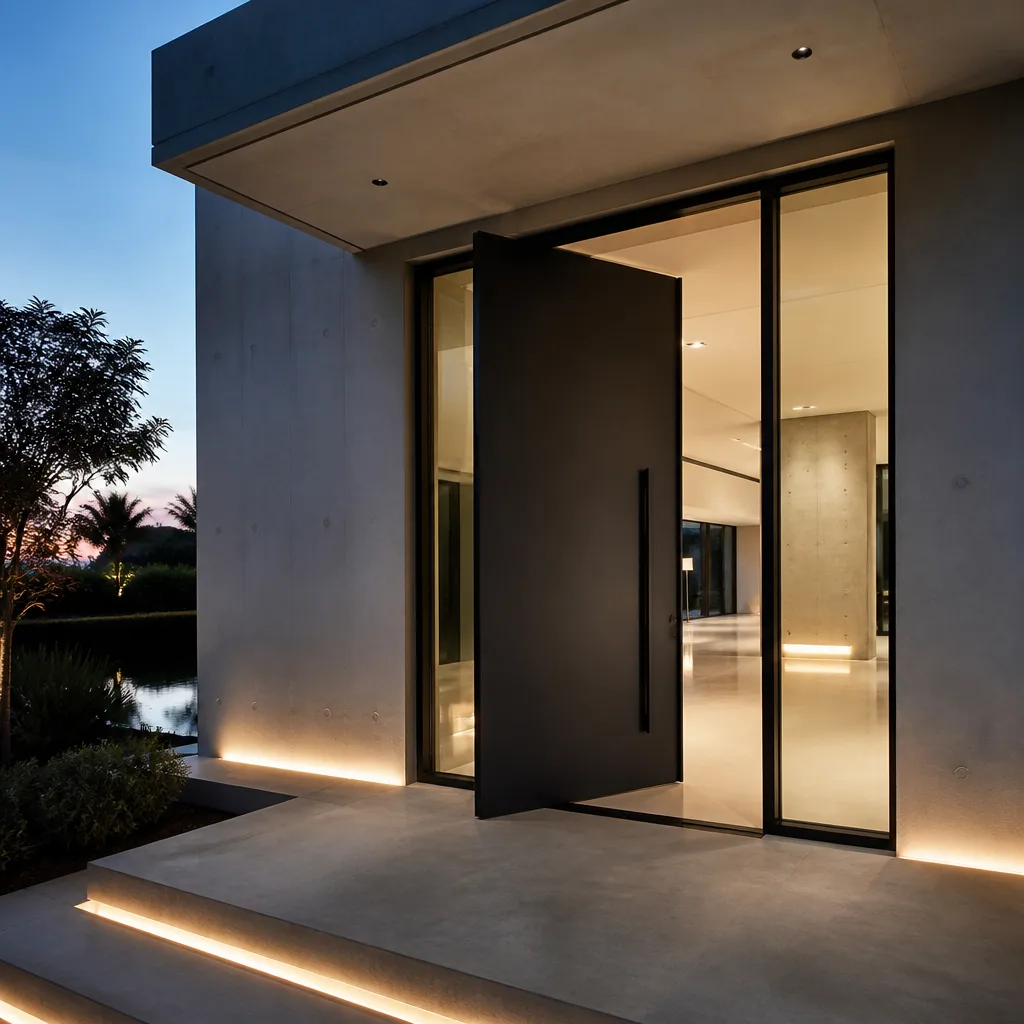
Certain conditions exceed homeowner maintenance scope and require documented professional assessment. These include: active water intrusion with visible interior damage; frame distortion affecting operability; fogged insulated glass units; corrosion of structural fasteners; separation of thermal breaks or frame welds; and any condition where the cause is unclear but the symptom is progressive.
Sightline Windows & Doors Kendall offers free estimates in Kendall. Every assessment includes the measured survey you keep, a written scope with line-item pricing, and a documented photo record. Our technicians are background-checked, uniformed, and identified by license number before arrival. Call (786) 321-3319 to schedule.
Frequently Asked Questions
Professional window and door maintenance in Kendall typically ranges from $150 to $400 for a comprehensive seasonal inspection of a single-family home, with corrective work such as sealant replacement, hardware adjustment, and weep hole restoration adding $75 to $200 per opening. Full IGU replacement for fogged units runs $400 to $900 per unit depending on size and impact rating. Call (786) 321-3319 for an exact quote - estimates are free.
Inspect drainage paths, gaskets, and sealants in April and May before the wet season; document interior conditions in October and November after the wet season; and perform hardware maintenance in January and July. South and west elevations need additional UV-specific frame assessment every 18 months. This schedule aligns with Kendall’s binary climate stress pattern rather than an arbitrary quarterly calendar.
Under the Haven Standard, the written price before any work starts is the final price. The measured survey and the quote are the same document. If concealed conditions are discovered during work, we document them, stop, and present a revised written scope before proceeding. No surprises.
Routine maintenance - sealant replacement, hardware repair, cleaning - does not require permits. Replacement of windows or doors in Miami-Dade County requires permitting and inspection, which Sightline handles as standard on all installation work. We pull permits, schedule inspections, and verify passing before final payment.
Typical replacement of 10 to 15 openings in a Kendall home requires 2 to 3 days of on-site work after permitting, with final inspection scheduled by the county within 5 to 10 business days. Custom or impact-rated products may have longer lead times depending on manufacturer capacity. We specify delivery dates in writing at contract execution.
If any aspect of our work is not done right, we make it right - written into the Haven Standard that governs every installation since 2012. This is not a courtesy extended after complaint; it is a contractual obligation stamped on every job. The promise covers workmanship, materials, and documentation. Claims are addressed with the same measured survey and photo record process as the original installation.
The Bottom Line
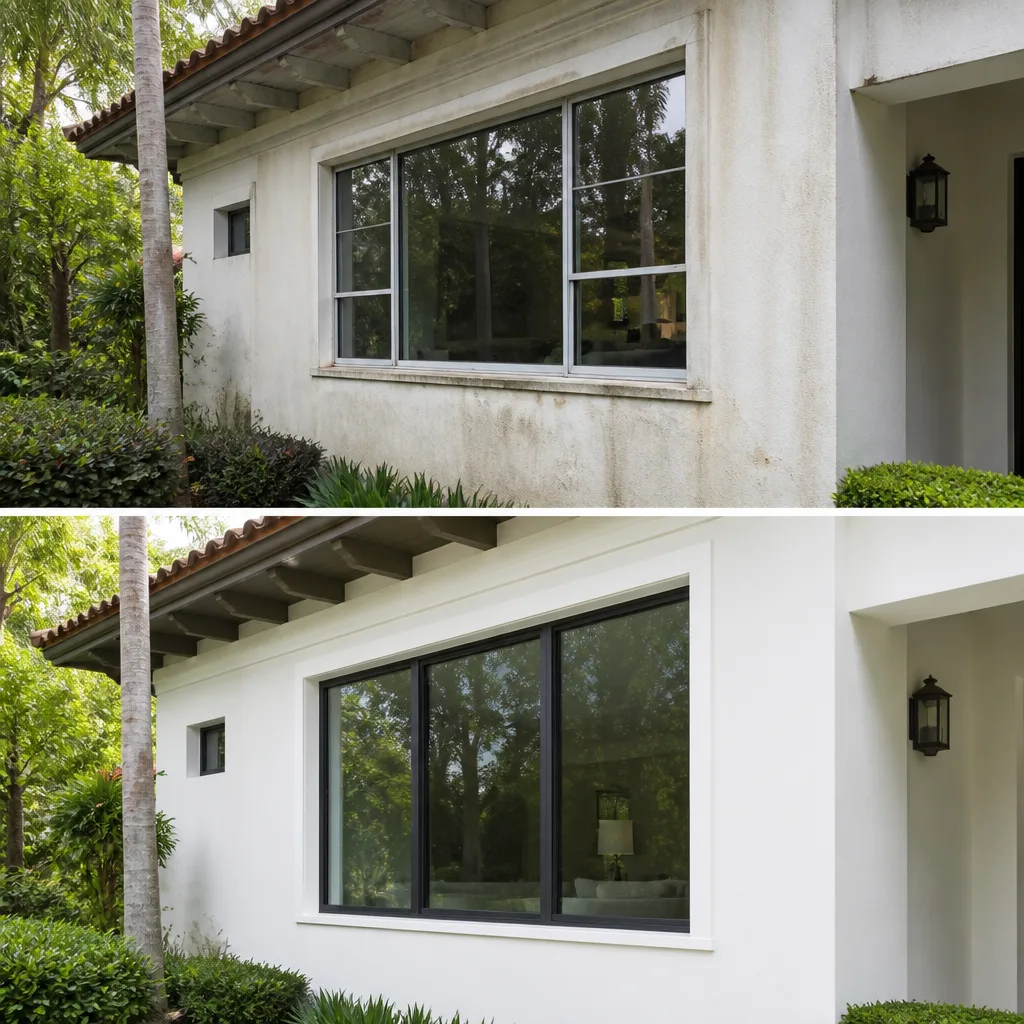
Kendall’s climate demands a maintenance calendar built around two realities: the dry season’s thermal cycling that opens sealant gaps, and the wet season’s intense rainfall that exploits them. The homeowners who avoid hidden damage are those who inspect in April, monitor through September, document in November, and correct during the predictable months of January through March. Product-specific care for aluminum, vinyl, and fiberglass frames; annual hurricane shutter interface verification; and disciplined UV monitoring on south and west elevations protect the investment that windows and doors represent. The cost of systematic maintenance is modest against the cost of concealed water damage or premature replacement.
Call (786) 321-3319 to schedule your free estimate. Every assessment includes the measured survey you keep, written line-item pricing, and a documented photo record. Written by Sonia Raman, Owner at Sightline Windows & Doors Kendall, serving Kendall since 2012.