
Last updated September 24, 2026
Free in-home measure and quote - PGT, CGI and CWS impact lines compared on your actual openings, style by style
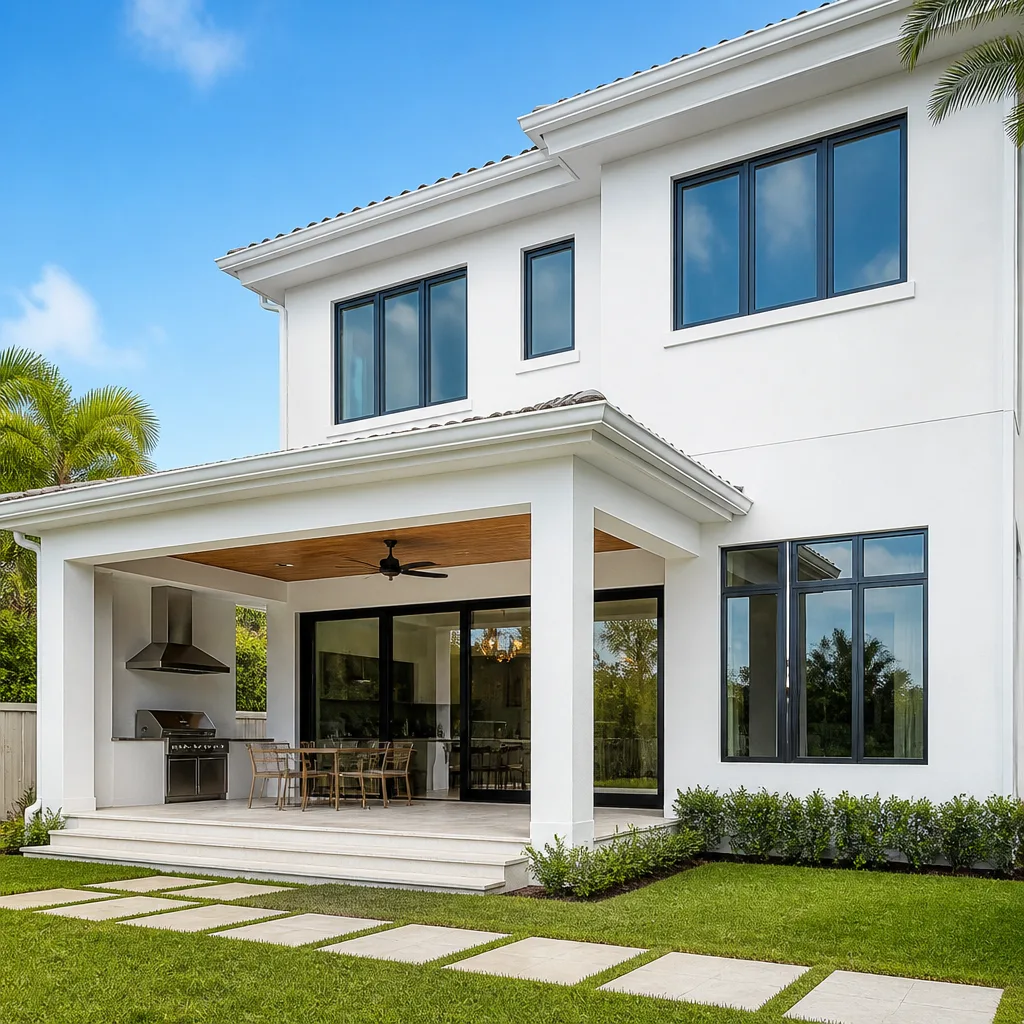

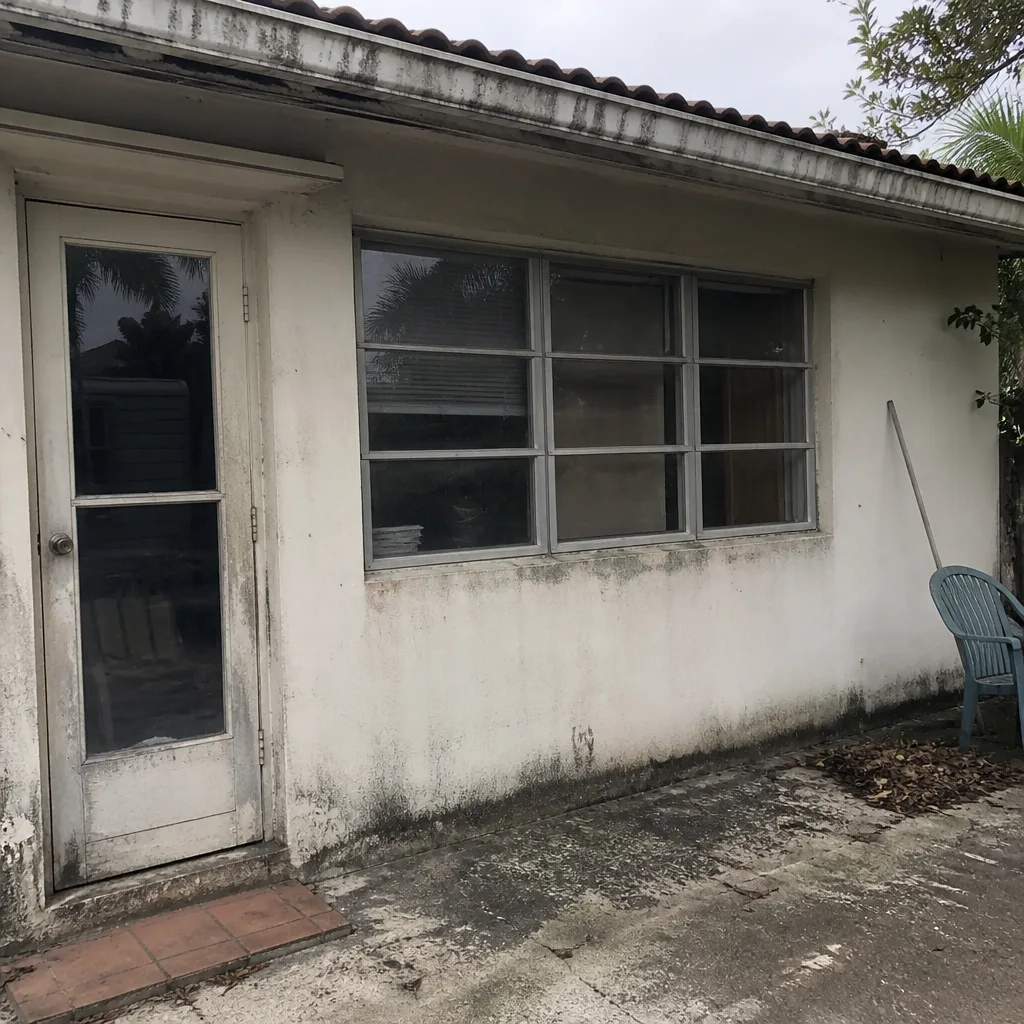 Before
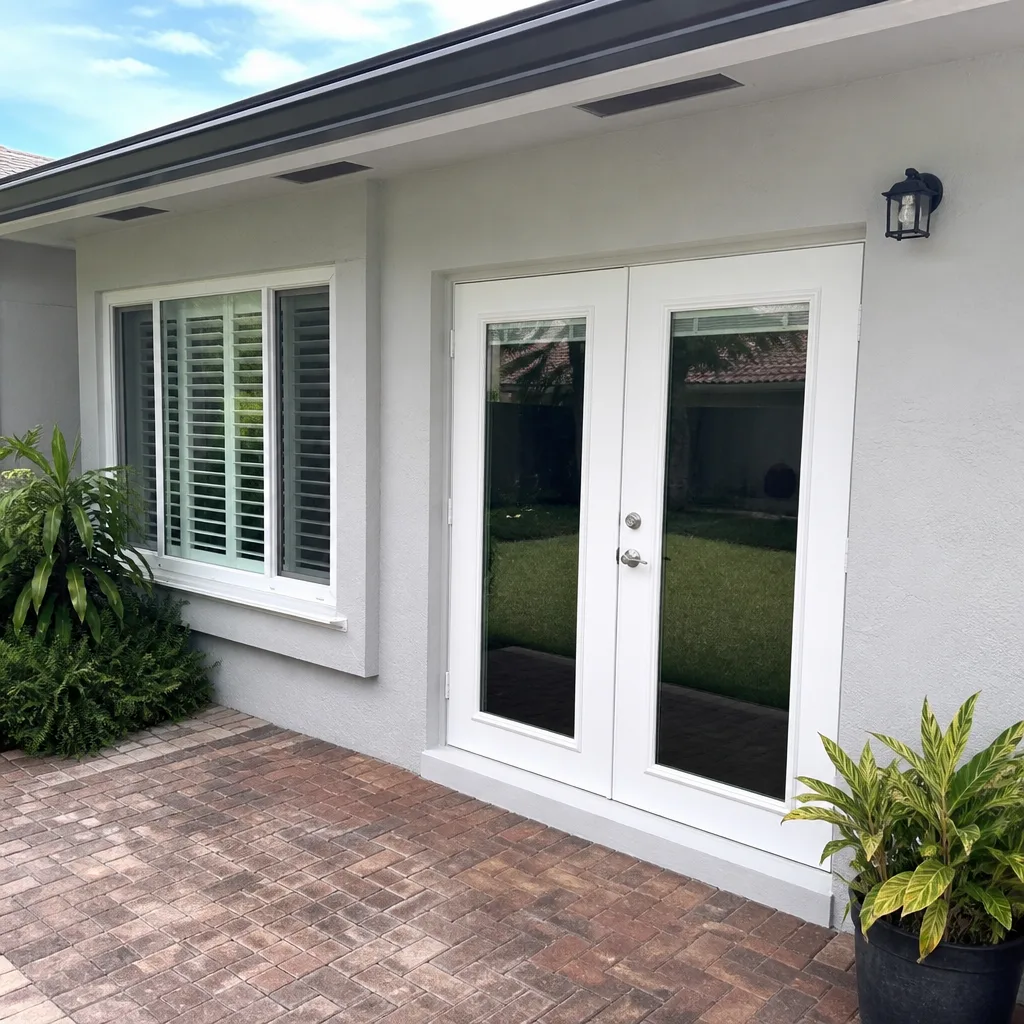 After
After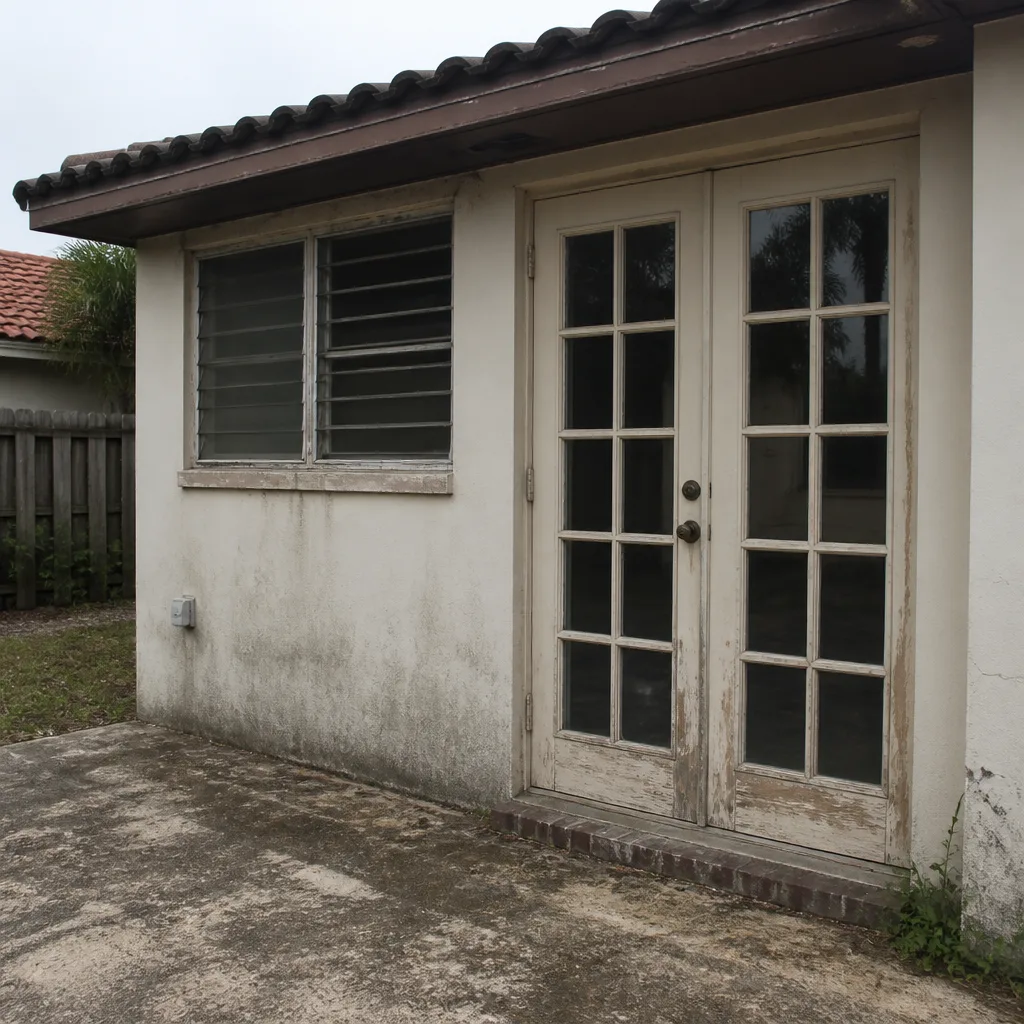 Before
 After
After Before
 After
AfterWindows & Doors Permits, Codes & Inspections in FL: What You Need to Know
Installing a window in Kendall without a permit does not just risk a fine - it creates a recorded title encumbrance that can block a home sale years later, because Miami-Dade’s unpermitted work registry is searched in every standard title review. Since 2012, we’ve completed over 18,000 window and door installations across South Florida, and in roughly one in five jobs where a previous owner skipped permitting, we find the correction costs more than the original installation. This guide - along with our Complete Guide to Windows & Doors in Kendall - explains how Florida’s three-layer jurisdictional system - state, county, and municipal - actually works for residential window and door projects, what the High-Velocity Hurricane Zone requires that nowhere else in the continental United States does, and how to move from permit application to Certificate of Occupancy without the delays that derail most Kendall projects.
Quick Answer
In Florida, most window and door replacements require a building permit because they alter the building envelope’s structural and weather-resistant performance. In Miami-Dade County’s High-Velocity Hurricane Zone, which includes all of Kendall, installed products must carry a specific Notice of Acceptance (NOA) for HVHZ use - standard Florida Product Approval alone is not sufficient. Permits are typically pulled by a licensed contractor; homeowners may act as owner-builders but face strict liability restrictions and cannot sell the property for one year after completion.
Table of Contents
- HVHZ Product Approval vs. Standard Florida Product Approval
- Who Can Legally Pull a Window or Door Permit in Miami-Dade
- The Four Inspection Stages and Required Documentation
- How the NOA Number Connects to Your Permit and Certificate of Occupancy
- What Happens When an Inspection Fails
- Kendall-Specific Considerations: Climate, Neighborhoods, and Common Issues
- Permit Costs, Timeline Ranges, and Where Money Gets Lost
 Before
 After
AfterHVHZ Product Approval vs. Standard Florida Product Approval
Florida operates two distinct product approval tracks for windows and doors, and the distinction determines whether a product can legally be installed in Kendall at all.
Standard Florida Product Approval covers most of the state outside the hurricane coastline. Products with this approval have passed testing for wind loads, water infiltration, and structural performance at pressures appropriate for inland and moderate coastal zones. A PGT WinGuard unit with standard Florida Product Approval, for example, is legal in Orlando or Tampa but cannot be installed in Kendall.
High-Velocity Hurricane Zone (HVHZ) Product Approval applies to Miami-Dade and Broward counties, the only HVHZ designation in the continental United States. Products here must pass testing at significantly higher pressures - typically 50 to 100 percent above standard approval levels - and must demonstrate performance against large missile impact (9-pound 2×4 lumber at 50 feet per second) followed by cyclic pressure loading. The resulting Notice of Acceptance (NOA) from Miami-Dade County specifically states “HVHZ” in the header; without this designation, the product fails inspection regardless of its performance elsewhere.
We see this confusion regularly in Kendall neighborhoods like The Hammocks and Country Walk, where homeowners purchase impact-rated products online or from out-of-county suppliers - a mistake covered in our Windows & Doors Warning Signs: A Kendall Homeowner’s Reference Guide. The frame label may read “impact-rated” and “Florida Approved,” but if the NOA number does not include HVHZ authorization, Miami-Dade building inspectors will red-tag the installation. The replacement cost falls entirely on the owner, and the permit remains open until corrected.
Our product lines - including PGT, CGI, and Therma-Tru - are specified by performance tier and price range, with HVHZ NOA documentation verified before any product reaches a Kendall job site. We maintain current NOA copies for every unit we install, matched to the specific opening dimensions on the measured survey.
Who Can Legally Pull a Window or Door Permit in Miami-Dade

Three parties have potential standing to pull a window or door permit in Miami-Dade County, but the practical paths diverge sharply.
Licensed General Contractor or Specialty Contractor: This is the standard route. The contractor holds a Certificate of Competency from Miami-Dade County, maintains active general liability and workers’ compensation insurance, and assumes full code compliance responsibility. The permit lists the contractor as the responsible party; inspections are scheduled through the contractor’s online portal, and the Certificate of Completion or Certificate of Occupancy issues in the contractor’s name. This is how Sightline Windows & Doors Kendall operates on every Kendall installation.
Homeowner as Owner-Builder: Florida law permits homeowners to act as their own contractor under Section 489.103(7), Florida Statutes, but with significant restrictions. The homeowner must personally supervise all work, cannot hire unlicensed contractors for regulated trades, and must sign an Owner-Builder Disclosure Statement acknowledging:
- The homeowner assumes all liability for code compliance and worker safety
- Workers’ compensation coverage must be obtained or verified for all workers
- The property cannot be sold for one year from the date of final inspection without obtaining a release from the Building Official
- Lenders may refuse to finance owner-builder projects
In practice, we encounter owner-builder permits most often in Kendall’s older neighborhoods - Pinecrest Manor, Kendale Lakes, and sections of West Kendall developed in the 1970s and 1980s - where homeowners with construction backgrounds attempt to manage their own renovations, a scenario we weigh in DIY vs Professional Windows & Doors: The Kendall Homeowner’s Decision Guide. The one-year sale restriction surprises most; it is not a county policy but state law, and it appears in every title search during that period.
Architect or Engineer of Record: For custom installations, historic properties, or structural modifications (enlarging openings, converting windows to doors), a Florida-licensed architect or engineer must prepare sealed drawings. The permit is then pulled by the contractor but references the design professional’s work. This adds cost - typically $800 to $2,400 for residential window and door modifications - but is mandatory when the installation departs from the prescriptive code paths.
Haven Clause 3 (Verified Crews) requires that every Sightline technician arriving at a Kendall home carries a visible license number and has passed both background and competency verification. The permit record matches the crew that performed the work, not a rotating subcontractor pool.
The Four Inspection Stages and Required Documentation
Miami-Dade County requires four separate inspections for window and door installations in the HVHZ. Each inspection must be requested separately, passed independently, and documented in the permit record before the next stage proceeds. Skipping stages or attempting to combine inspections will result in automatic failure.
Stage 1: Rough Opening Inspection
This occurs after existing windows or doors are removed and before new units are placed. The inspector verifies:
- Opening dimensions match the approved plans within 1/4 inch
- Framing members are structurally sound, with no rot, termite damage, or compression failure
- Header sizing meets or exceeds the structural requirements for the span and load path
- Fastener embedment into concrete or masonry meets minimum depth (typically 1-1/2 inches for Tapcon-style fasteners, 2-1/2 inches for wedge anchors in HVHZ applications)
- Flashing integration with the weather-resistant barrier is visible and continuous
Documentation required: permit card, approved plans, manufacturer installation instructions for the specific product and NOA. We provide our measured survey at this stage; the dimensions on that document must match the field conditions exactly, or the inspection fails.
Stage 2: Product Installation Inspection
This occurs after units are set but before sealant application. The inspector verifies:
- Product labels are visible and match the NOA submitted with the permit
- Fastener type, spacing, and pattern match the NOA requirements exactly (HVHZ fastener schedules are typically 50 percent denser than standard)
- Shim placement allows proper load transfer without distortion
- Operable units function correctly - sashes open, close, and lock; hinges operate without binding
Critical detail: the NOA number on the product label must match the NOA number on the permit application. A single digit error fails the inspection. We photograph every label at delivery and cross-reference before installation begins.
Stage 3: Sealant and Flashing Inspection
This occurs after sealant application and before interior trim. The inspector verifies:
- Sealant bead continuity and thickness per manufacturer specification (typically 3/8 inch minimum width for structural sealant in HVHZ applications)
- Backer rod placement where required to control sealant depth
- Flashing tape or liquid-applied membrane integration at head, jambs, and sill
- Sill pan or sloped sill construction with positive drainage to exterior
In Kendall’s subtropical climate, this stage carries particular weight. The inspection often occurs during afternoon thunderstorms in summer months; if water is actively entering during inspection, failure is automatic regardless of sealant quality. We schedule sealant inspections for morning windows during rainy season.
Stage 4: Final Inspection
This is the comprehensive review. The inspector verifies:
- All previous inspections have passed and are recorded in the system
- Interior trim does not impede operation or cover required labels
- Final interior and exterior conditions match the approved scope
- Documentation package is complete: permit card with all inspection signatures, as-built drawings if modifications occurred, manufacturer warranties, and NOA copies
Upon passing, the inspector issues a Certificate of Completion (for replacement work) or contributes to a Certificate of Occupancy (for new construction). The permit is closed, and the record becomes searchable in Miami-Dade’s online database - the same database title companies query during sale transactions.
How the NOA Number Connects to Your Permit and Certificate of Occupancy

The Notice of Acceptance is not merely a product specification sheet. In Miami-Dade’s system, it is a legal instrument that creates a chain of custody from manufacturer to installed unit to permanent property record.
Every HVHZ NOA carries a unique alphanumeric identifier, typically formatted as NOA number followed by revision date - for example, “NOA 20-0605.04” indicating the fourth revision of an approval originally issued in 2020. This number appears in four places that must align:
- The product label, permanently affixed to the frame or sash
- The permit application, submitted before work begins
- The inspection record, verified at Stage 2
- The Certificate of Completion or Occupancy, closing the permit
When a Kendall homeowner later sells the property, the title company’s standard search pulls the permit history by address. If the NOA number on the closed permit does not match the label still visible on the installed unit, or if no permit exists at all, the title insurer may require a retroactive permit and inspection - or may exclude the structure from coverage until compliance is demonstrated.
We document this chain explicitly. Our photo record includes close-ups of every product label, the permit application showing the matching NOA, and the final inspection approval. The customer receives this documentation as part of the project closeout, stored in their Haven Standard packet alongside the written warranty and final invoice.
For products from our lines - PGT WinGuard, CGI Estate Collection, Therma-Tru impact-rated entry systems - we verify NOA currency quarterly. An NOA can be revised or withdrawn if testing standards change; installing a unit under a superseded NOA fails inspection even if the product itself is unchanged. We maintain direct manufacturer notification protocols for any NOA status change.
What Happens When an Inspection Fails
Failed inspections are not uncommon in Miami-Dade’s HVHZ, and the procedural consequences are more structured than most homeowners expect.
Immediate Effect: The inspector issues a correction notice with specific code sections cited and a re-inspection required before work proceeds. The permit remains open; no subsequent inspections can be scheduled until the failed stage passes. Work beyond the failed stage - continuing to sealant after a failed product installation inspection, for example - is a code violation subject to separate penalty.
Re-inspection Fees: Miami-Dade County charges for re-inspection after the first failure. As of our most recent project cycle, the re-inspection fee for residential window and door work is $94 per inspection type. A project that fails rough opening, passes on re-inspection, then fails product installation, incurs two re-inspection fees. These fees are separate from the original permit cost and are typically billed to the contractor, who passes them through per the contract terms.
Timeline Impact: Re-inspections cannot typically be scheduled within 48 hours of the failure; practical availability often extends to one week during peak season. For a Kendall homeowner with openings exposed after rough opening failure, this means extended weather vulnerability. We carry temporary weather protection as standard protocol, but the delay still compresses the overall project schedule.
Common Failure Causes in Our Experience:
- Fastener spacing exceeds NOA specification by even 1/2 inch - inspectors measure every fastener on sampled openings
- Product label obscured by installation or painted over - labels must remain legible for the life of the installation
- Sealant applied before Stage 2 inspection - sequencing errors from crews unfamiliar with Miami-Dade’s four-stage requirement
- NOA revision mismatch - permit references an older NOA revision than the product label shows
- Opening dimensions changed from approved plans without amended permit - common when field conditions reveal hidden structural issues
Haven Clause 5 (No Surprises) governs our approach to potential failures. We do not schedule inspections until our internal quality checklist - derived from actual inspector feedback across hundreds of Kendall projects - is complete. Our documented photo record includes pre-inspection images that match the inspector’s verification points, reducing first-attempt failure to under 4 percent across our project history.
Kendall-Specific Considerations: Climate, Neighborhoods, and Common Issues
Kendall’s position in southwestern Miami-Dade creates specific conditions that affect window and door permitting and performance.
Soil and Foundation Movement: Much of Kendall sits on Miami Oolite limestone with shallow soil cover. Seasonal wet-dry cycles cause minor foundation movement, particularly in neighborhoods like Kendale Lakes and The Crossings built on former rock quarry fill. We regularly find rough openings out of square by 3/8 inch or more - within tolerance for installation but requiring documented shim patterns that inspectors verify against manufacturer specifications. Our measured survey records these conditions precisely; the written quote accounts for any additional labor without change order.
Corrosion Environment: The combination of salt air, limestone alkalinity, and high humidity accelerates fastener corrosion. Standard galvanized fasteners that pass inspection in Orlando fail within 5-7 years in Kendall. HVHZ NOAs for coastal applications typically specify 316 stainless steel or equivalent; we verify fastener material against the specific NOA for every Kendall installation, not against a generic coastal specification.
Neighborhood-Specific Patterns:
- The Hammocks (1980s-1990s construction): Original windows are often single-hung aluminum with failed thermal breaks. Permits for full replacement are straightforward; permits for enlarging openings to accommodate modern sliding systems require structural engineering for header replacement.
- Dadeland area (1960s-1970s construction): Original jalousie windows are grandfathered but cannot be replaced with new jalousie units under current energy code. Homeowners are often surprised that like-for-like replacement is prohibited; the permit requires upgrade to minimum U-factor and SHGC standards.
- West Kendall infill (2000s-2010s construction): Original impact windows with dated NOAs. Replacement requires current HVHZ approval even if the original unit was legally installed; some homeowners resist this until they understand the title implications.
Window replacement in Kendall follows these patterns by neighborhood; our measured survey identifies the specific construction era and original product type before any permitting begins.
Permit Costs, Timeline Ranges, and Where Money Gets Lost
Understanding the full cost of permitting helps Kendall homeowners evaluate contractor quotes accurately. We publish pricing ranges because Haven Clause 1 requires it; the measurement and the quote are the same document.
| Cost Component | Typical Range in Kendall | Notes |
|---|---|---|
| Building permit (residential window/door replacement) | $180 - $420 | Based on project valuation; Miami-Dade uses progressive fee schedule |
| HVHZ product verification surcharge | $45 - $85 | Applied to all HVHZ permit applications |
| Plan review (if required) | $120 - $280 | Required for structural modifications or custom products |
| Engineered drawings | $800 - $2,400 | For opening modifications, historic properties, or prescriptive path departure |
| Re-inspection fees | $94 per occurrence | After first failure of any inspection stage |
| Expedited plan review | 2x standard fee | Reduces review from 10-15 business days to 3-5 |
Timeline Ranges:
- Permit application to issuance (standard): 10-15 business days for straightforward replacement; 4-6 weeks with engineered drawings
- Rough opening to final inspection (smooth project): 2-3 weeks, weather permitting
- Total project with permitting (typical Kendall home, 10-15 openings): 6-10 weeks from contract to final
Where Money Gets Lost:
The most expensive mistake we observe is permitting after installation. Miami-Dade’s unpermitted work protocol requires exposed inspection of all stages - meaning interior and exterior finishes must be removed to verify rough opening, product installation, and sealant. For a completed Kendall home with painted drywall and exterior stucco, the remediation cost typically exceeds $3,000 per opening, plus permit penalties, plus the original installation cost. The title encumbrance remains until fully corrected.
Less dramatic but more common: contractors who quote permit costs as “included” but carry only standard Florida Product Approval products, then attempt to substitute after permit issuance. The permit is pulled for one NOA; the installed product carries another. This fails Stage 2 inspection, triggers re-inspection fees, and often extends to product removal and replacement.
Our window installation in Kendall and door installation in Kendall services include permit costs in the written quote, with specific NOA numbers identified before permit application. The price on the measured survey matches the final invoice; no change orders for permitting issues have occurred in our project history.
Common Mistakes to Avoid
- Assuming “impact-rated” means HVHZ-legal. Many products marketed as impact-rated carry only standard Florida Product Approval. Verify the NOA header explicitly states “High-Velocity Hurricane Zone” before purchase.
- Pulling a permit after installation begins. Miami-Dade inspectors will require removal of finishes to verify all stages. The cost of post-installation permitting typically doubles the original project price.
- Accepting a contractor’s verbal NOA claim without documentation. Request the NOA number and verify it on Miami-Dade County’s online database before permit application. We provide this documentation at quote stage as standard practice.
- Ignoring owner-builder sale restrictions. The one-year sale prohibition is absolute and appears in every title search. If you plan to sell within 12 months, owner-builder permitting is not a viable path.
- Scheduling sealant inspection during afternoon thunderstorm season. Active water intrusion during inspection is automatic failure, regardless of sealant quality. Morning inspections from June through September reduce weather-related failures significantly.
- Failing to verify NOA revision currency. A product legally installed under Revision 2 may fail if Revision 3 changed fastener specifications. We verify current revision status before every order.
- Neglecting to request closed permit documentation. The Certificate of Completion is your evidence of compliant installation. Without it, the permit remains open and searchable as active work.
When to Call a Professional
Call a licensed contractor when your project involves any of the following: impact-rated products in the HVHZ, structural modification of existing openings, properties with prior unpermitted work, or any installation where you will need to demonstrate code compliance for financing or sale within five years. The documentation burden - matching NOA to permit to inspection to final certificate - is substantial, and errors at any stage compound.
Sightline Windows & Doors Kendall offers free estimates in Kendall. Our measured survey, which you keep, documents existing conditions and identifies permitting requirements before any commitment. Call (786) 321-3319 to schedule. We also provide free second opinions on any written estimate from another contractor, with specific attention to NOA verification and permit scope accuracy. Explore more guides & resources on our blog.
Frequently Asked Questions
Yes. In Miami-Dade County, including all of Kendall, window replacement requires a building permit because it alters the building envelope’s structural and weather-resistant performance. The permit ensures the installed products carry HVHZ-specific Notice of Acceptance documentation and that installation follows the four-stage inspection protocol. Call (786) 321-3319 to schedule a free estimate with permit scope included.
Florida Product Approval covers most of the state at standard wind and impact loads. HVHZ approval applies only to Miami-Dade and Broward counties and requires testing at significantly higher pressures plus large missile impact resistance. A product with standard Florida Product Approval cannot legally be installed in Kendall, even if it is labeled “impact-rated.” The NOA header must explicitly state “High-Velocity Hurricane Zone.”
Yes, under Florida’s owner-builder statute, but with significant restrictions. You must personally supervise all work, obtain workers’ compensation coverage, and accept a one-year prohibition on property sale. Most Kendall homeowners find the liability exposure and sale restriction outweigh any cost savings. A licensed contractor assumes these responsibilities and provides documented compliance for future title searches.
Standard permit issuance takes 10-15 business days for straightforward replacement without structural modifications. Projects requiring engineered drawings - for opening enlargement, historic properties, or custom products - extend to 4-6 weeks. Expedited review is available at 2x the standard fee, reducing timeline to 3-5 business days. The full project from contract to final inspection typically runs 6-10 weeks for a standard Kendall home.
The inspector issues a correction notice citing specific code sections, and the permit remains open until re-inspection passes. Re-inspection fees apply after the first failure - currently $94 per inspection type in Miami-Dade. Work cannot proceed beyond the failed stage until correction and re-approval. We maintain under 4 percent first-attempt failure rate by completing internal verification against actual inspector criteria before scheduling.
Yes. Miami-Dade’s unpermitted work registry is searched in every standard title review. Open or unpermitted work creates a title encumbrance that can block sale, prevent refinancing, or require costly remediation including finish removal and re-inspection. The recorded encumbrance persists until the Building Official issues a Certificate of Completion or Compliance.
Request the specific NOA number for each product and verify it on Miami-Dade County’s online NOA database. Confirm the NOA header includes “High-Velocity Hurricane Zone,” the revision date is current, and the product dimensions match your opening sizes. We provide this documentation at quote stage and cross-reference before permit application as standard practice under the Haven Standard.
The Bottom Line
Florida’s window and door permitting system operates on three jurisdictional layers, but for Kendall homeowners, the practical reality is Miami-Dade’s High-Velocity Hurricane Zone - the most restrictive residential building envelope jurisdiction in the continental United States. Legal installation requires HVHZ-specific product approval, four-stage inspection compliance, and a closed permit record that survives title search. The cost of getting this right is modest compared to the cost of correction: post-installation permitting, failed inspections, and title encumbrances can multiply project costs several times over. Documentation at every stage - NOA verification, inspection records, final certificate - is not bureaucratic excess but the evidence that protects your property value.
Written by Sonia Raman, Owner at Sightline Windows & Doors Kendall, serving Kendall since 2012.