
Last updated September 24, 2026
Free in-home measure and quote - PGT, CGI and CWS impact lines compared on your actual openings, style by style
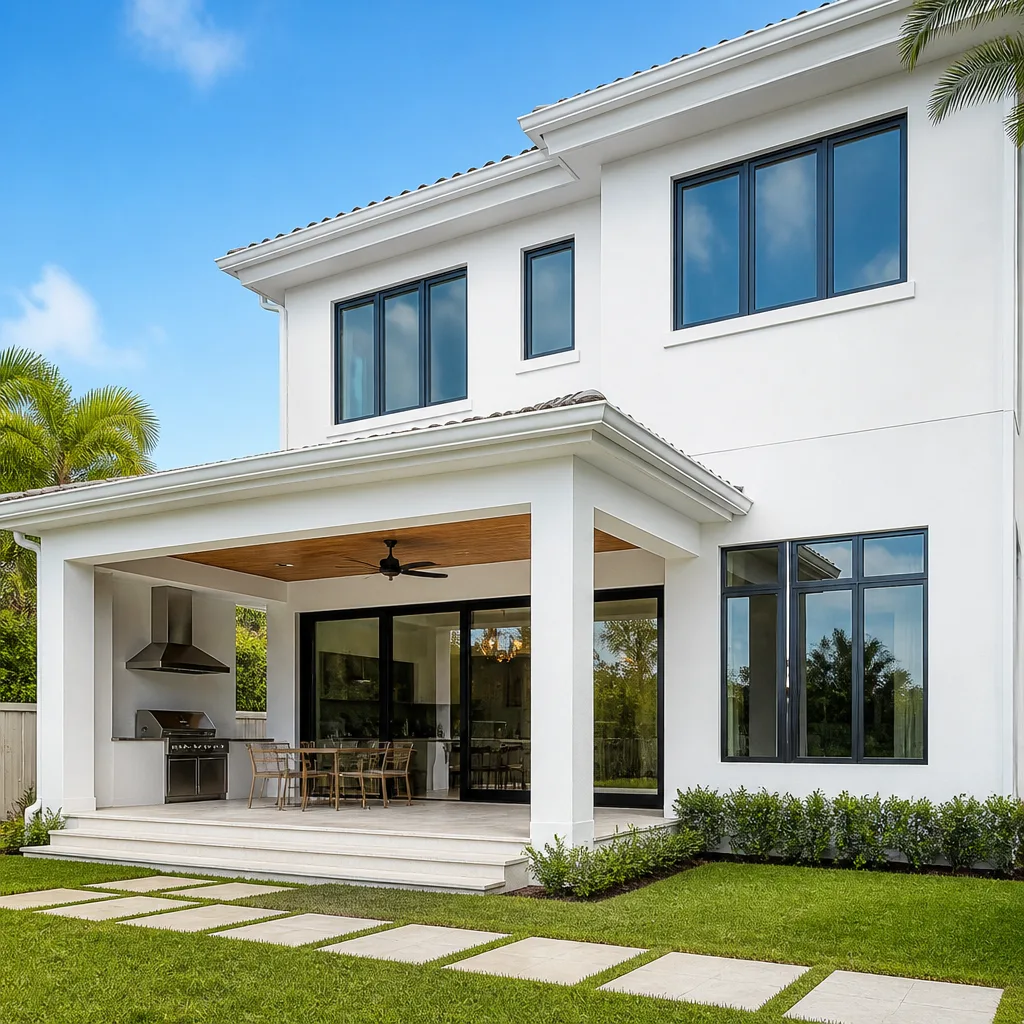

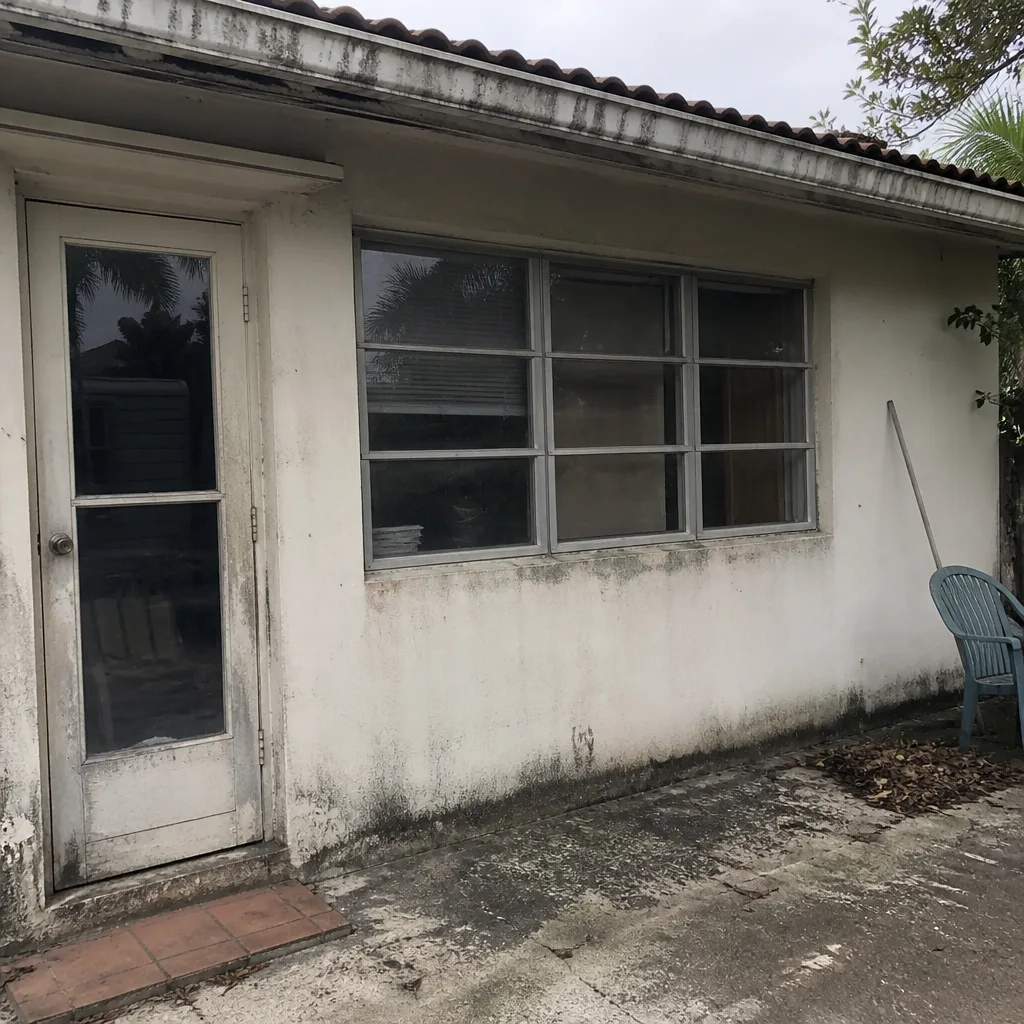 Before
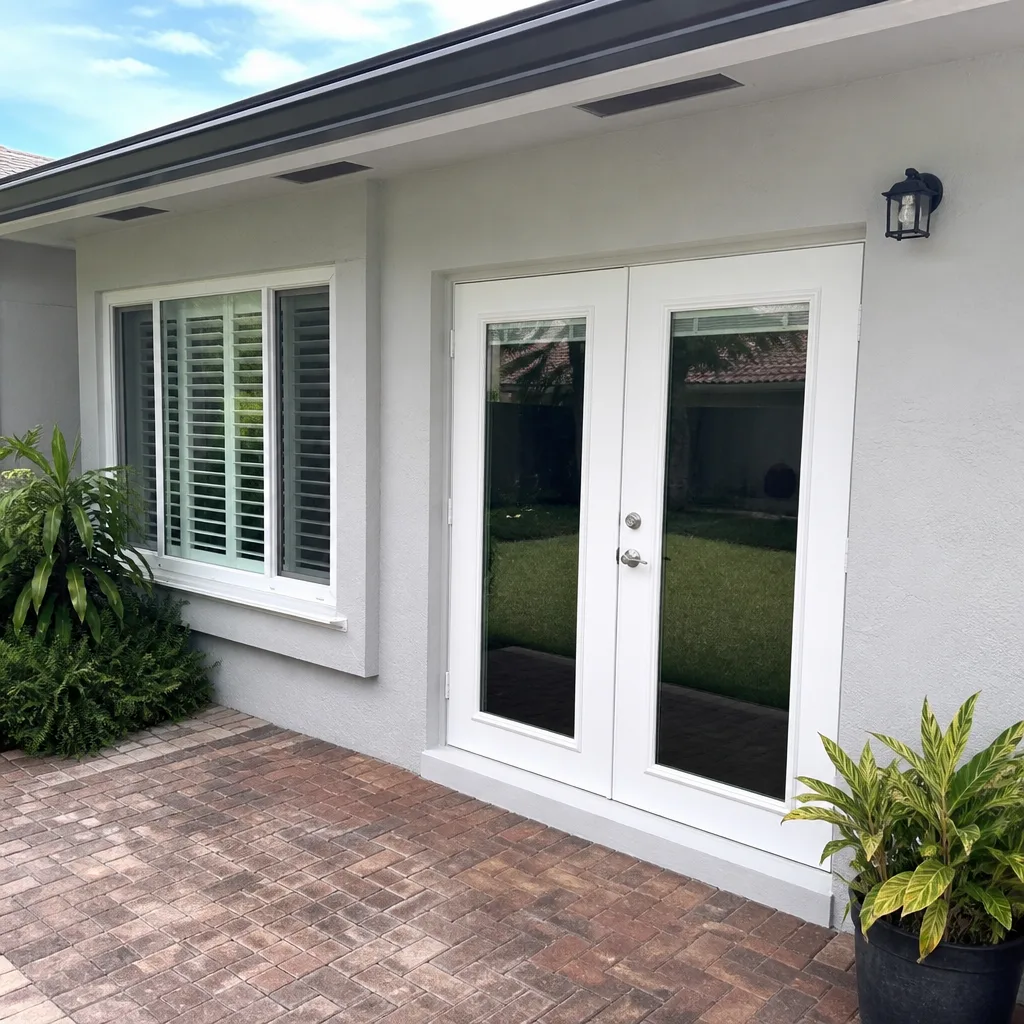 After
After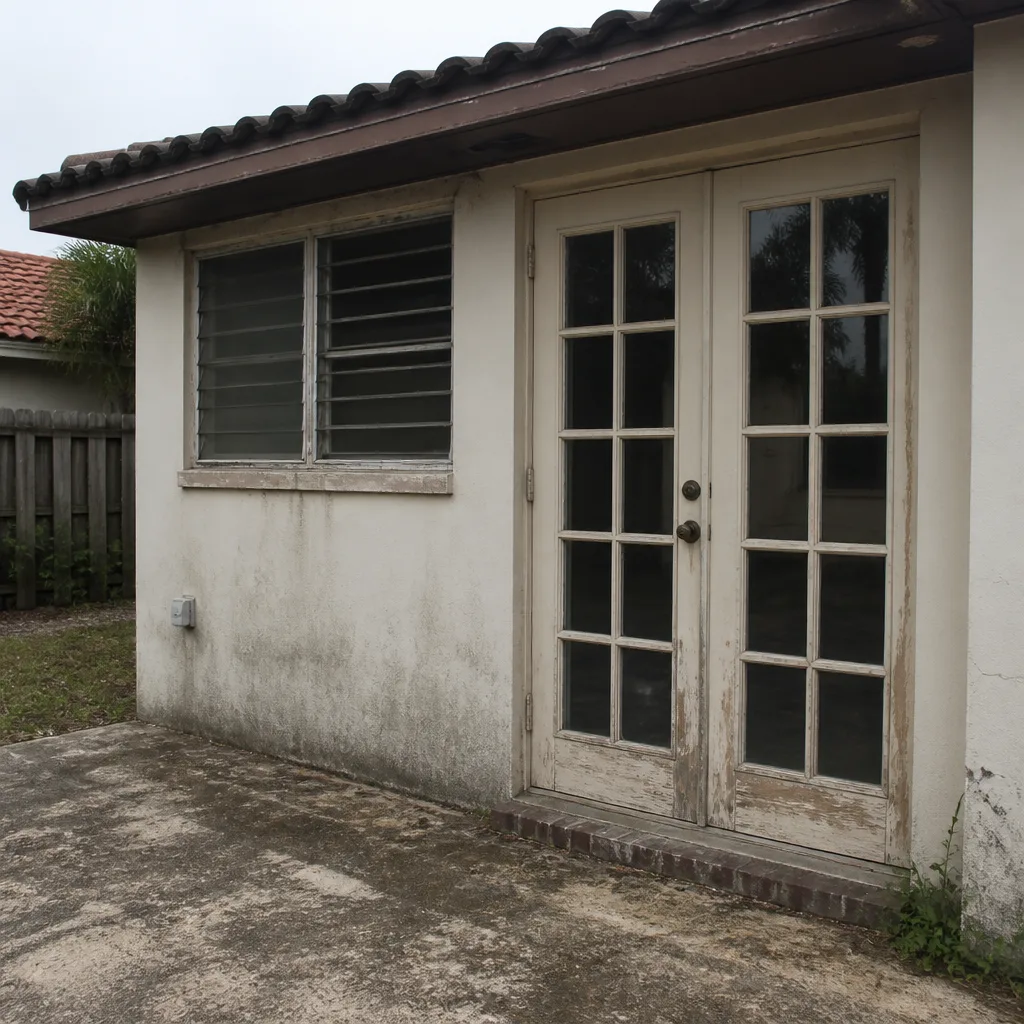 Before
 After
After Before
 After
AfterWindows & Doors Warning Signs: A Kendall Homeowner’s Reference Guide
A hairline crack in the interior drywall at the upper corner of a window rough opening in a Kendall home is not a drywall problem. It is the surface expression of a lintel or header issue that the window replacement quote needs to account for before a product is ordered. Most warning signs that homeowners notice are lag indicators - the underlying damage has typically been accumulating for 12 to 24 months before becoming visible. In Kendall’s climate, where salt air, afternoon thunderstorms, and the seasonal humidity cycle stress every opening in a home, knowing how to read these signs correctly can mean the difference between a straightforward window replacement in Kendall and a project that requires structural remediation.
In this guide, you’ll learn how to classify warning signs by the failed system beneath them, distinguish cosmetic symptoms from structural ones, and document what you find in a format any contractor can use. We wrote this for the homeowner who reads three-star reviews before calling anyone - the kind of person who wants to understand what they’re looking at before they pick up the phone. For more, see our How to Hire a Windows & Doors Contractor in Kendall: A Step-by-Step Guide.
Quick Answer
The warning signs that matter most for Kendall windows and doors fall into five categories: frame degradation (corrosion, warping, or biological growth), sill pan and flashing failure (water staining, sill rot, or exterior caulking separation), glazing seal breach (fogging between panes or desiccant visibility), hardware and operational failure (binding, sagging, or latching problems), and rough opening structural distress (drywall cracks, frame squareness loss, or header deflection). Each category implies a different scope of repair and a different urgency level.
Table of Contents
- A Taxonomy of Warning Signs by Failed System
- Condensation Between Panes vs. Surface Condensation
- Salt-Air Corrosion Patterns on Aluminum Frames and Hardware
- Operational Resistance: Frame vs. Hardware Diagnosis
- Documented Photo Checklist for Homeowners
- Kendall-Specific Climate and Code Considerations
- Common Mistakes to Avoid
- When to Call a Professional
- Frequently Asked Questions
 Before
 After
AfterA Taxonomy of Warning Signs by Failed System
When we survey a home in Kendall, we organize what we see by the system that has failed, not by the symptom the homeowner reports. This matters because the symptom determines the product specification, but the failed system determines the scope of work and the price. Here is how we classify what you might be seeing.
Frame Failure
Frame failure in Kendall typically presents as corrosion on aluminum, warping on vinyl that has absorbed heat stress, or biological growth where moisture has penetrated the exterior skin. On aluminum frames, look for white powdery deposits (aluminum oxide) at joints and weep holes, or pitting that has broken through the anodized layer. On vinyl, warping usually appears as bowing along the sill or head that prevents the sash from seating properly. Biological growth - black streaks or green staining - indicates sustained moisture behind the exterior face, which in Kendall’s humidity means the frame cavity is likely wet.
Frame failure implies full replacement, not repair. The frame is the structural backbone of the opening; once its integrity is compromised, the glazing unit and hardware cannot function correctly even if they are replaced.
Sill Pan and Flashing Failure
This is the most commonly misdiagnosed category. Homeowners see interior water staining below a window and assume the window itself is leaking. In our experience surveying homes in The Hammocks, Kendale Lakes, and the streets off Kendall Drive, the actual source is more often the sill pan or the head flashing above the window, not the glazing unit.
Signs of sill pan or flashing failure include:
- Water staining on the interior drywall that is wider than the window itself, suggesting water is traveling along the rough opening sill before finding an exit point
- Exterior caulking that has separated from the frame but not from the wall, indicating the wall side is moving while the frame is stable - a sign of improper flashing integration
- Soft or discolored exterior sill boards, particularly on windows without proper overhang protection
- Staining that appears after wind-driven rain from the southeast, which is the dominant storm direction in Kendall during summer months
Sill pan failure can require anything from localized flashing repair to full rough opening reconstruction, depending on how long water has been entering the wall cavity.
Glazing Seal Breach
A breached glazing seal is the only failure on this list that is genuinely limited to the glass unit itself. The sealed insulating glass unit (IGU) has lost its hermetic seal, allowing moist outside air to enter the space between panes. The desiccant inside the spacer bar becomes saturated, and condensation forms between the panes - a condition called fogging.
Glazing seal breach does not imply frame failure, sill pan failure, or structural problems. It implies glass replacement, which can be done as a retrofit in some cases or as part of a full sash replacement in others. The key diagnostic question is whether the fogging is between the panes or on a surface.
Hardware and Operational Failure
Hardware failure presents as latching problems, sash drift, or operational resistance. In Kendall’s salt-air environment, hardware corrosion is common on coastal-exposed elevations, particularly on homes east of SW 137th Avenue and in neighborhoods with less mature tree canopy.
The critical distinction, which we address in detail below and in our DIY vs Professional Windows & Doors: The Kendall Homeowner’s Decision Guide, is whether operational problems stem from degraded hardware or from a frame that has shifted out of square. Hardware replacement is a repair; frame squareness loss implies structural movement that must be addressed before any new product is installed.
Rough Opening Structural Distress
This is the category most homeowners miss until the signs are severe. Structural distress in the rough opening presents as:
- Interior drywall cracks at the upper corners of window openings, particularly those that reappear after repair
- Doors that swing open or closed on their own, indicating frame racking
- Window frames that are visibly out of square when measured diagonally
- Exterior stucco cracks that radiate from window corners in a pattern that follows the rough opening perimeter
In Kendall’s limestone-derived soils, particularly in areas with fill or recent construction, differential settlement can stress rough openings in ways that no window product can accommodate. The window installation in Kendall must include shimming and fastening methods that allow for this, or the new product will fail on the same timeline as the old one.
Condensation Between Panes vs. Surface Condensation

This distinction saves homeowners from unnecessary service calls and helps them prioritize which openings need attention first. You can make this determination yourself, without tools, in about two minutes per window.
Step-by-Step Diagnosis
- Identify where the moisture is. Stand at an angle to the glass and look for whether the condensation is on the interior surface, the exterior surface, or trapped between the two panes. Between-the-pane condensation will appear to move when you change your viewing angle; surface condensation will not.
- Check the pattern and timing. Surface condensation forms in broad, relatively even sheets that correspond to temperature differentials - interior surface condensation on cold mornings in January, exterior surface condensation on humid summer evenings when the glass has been cooled by air conditioning. Between-the-pane condensation appears as fogging, streaking, or droplet patterns that are irregular and that persist regardless of weather conditions.
- Look for desiccant saturation. In a failed IGU, the desiccant in the spacer bar may become visible as a hazy or discolored line at the edge of the glass unit. This is definitive evidence of seal breach.
- Test with a dry cloth. Surface condensation can be wiped away. Between-the-pane condensation cannot be reached.
- Track over time. Surface condensation is intermittent and weather-dependent. Between-the-pane condensation is progressive - it starts small, grows, and does not reverse.
Surface condensation is a ventilation and humidity control problem. It may indicate that your home’s HVAC system is not managing latent load effectively, or that the window’s U-factor is too high for the interior humidity level you maintain. Between-the-pane condensation is a product failure. The IGU has reached end of life and needs replacement.
In Kendall, where interior humidity levels often run higher than northern climates due to the cooling season length, surface condensation on the exterior pane of high-performance windows is actually a positive indicator - it means the low-emissivity coating is reflecting interior heat back into the home effectively enough to chill the exterior surface below the dew point.
Salt-Air Corrosion Patterns on Aluminum Frames and Hardware
Kendall’s position inland from Biscayne Bay and the Atlantic means salt-air exposure varies significantly by neighborhood and even by lot orientation. Homes east of the Florida Turnpike, particularly those with exposure to prevailing southeasterly winds, show corrosion patterns that differ from homes in western Kendall near the Everglades edge.
What to Look For: Frame Corrosion
Aluminum frame corrosion begins at mechanical breaks in the protective layer - scratches, cut edges, and the exposed aluminum at weep holes and drainage channels. The progression follows a predictable pattern:
- Stage 1: White powdery deposits at joints and weep holes. This is aluminum oxide, the stable form of corrosion. It is unsightly but not yet structurally significant. The frame retains its section properties.
- Stage 2: Pitting that has broken through the anodized or painted layer. The pits create stress concentrators and accelerate local corrosion. At this stage, the frame’s structural capacity is compromised in tension, though it may still perform in compression.
- Stage 3: Section loss at fasteners and corners. The corrosion has consumed enough material that the frame cannot maintain its designed stiffness. Sashes sag, latches misalign, and the glazing unit may lose support at its edges.
Stage 2 is the decision point for most homeowners. Stage 3 requires full replacement.
What to Look For: Hardware Corrosion
Hardware corrosion is more dangerous than frame corrosion because hardware operates under load - a corroded hinge or lock mechanism fails suddenly, not gradually. In Kendall, we see two distinct patterns:
Galvanic corrosion at dissimilar metal contacts. This appears as rapid degradation where stainless steel fasteners contact aluminum frames, particularly if the assembly was wet during installation and the galvanic couple was activated before the joint dried. Look for swollen fasteners, cracked surrounding material, or a greenish-white deposit at the contact point.
Uniform salt corrosion on exposed steel. Hinges, locks, and operators that lack proper plating show red rust that progresses quickly once started. The critical inspection point is the underside of sliding door rollers and the interior mechanism of casement operators, where salt-laden condensation collects and evaporates repeatedly.
Hardware corrosion that has reached the structural fasteners - the screws that attach the frame to the rough opening - is a safety concern. These fasteners are in tension; corrosion reduces their capacity to resist wind loads. In Miami-Dade County’s High Velocity Hurricane Zone, which includes all of Kendall, this is not a theoretical risk.
Operational Resistance: Frame vs. Hardware Diagnosis
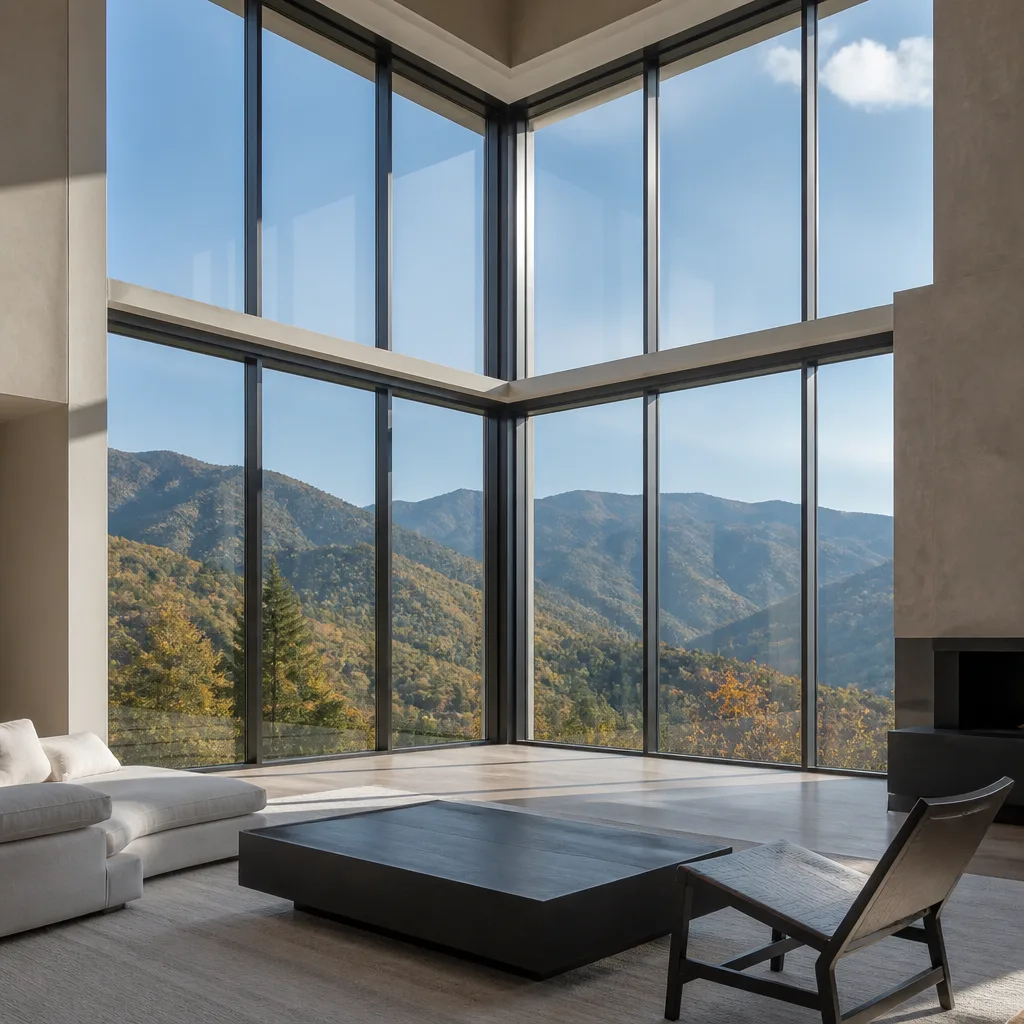
When a window or door becomes difficult to operate, the cause is either the hardware or the frame. Misdiagnosing this leads to wasted money on hardware replacement when the real problem is structural movement, or to delayed replacement when hardware failure is about to cause frame damage.
The Diagnostic Sequence
- Check for frame squareness. Measure the diagonals of the operable sash or panel. On a rectangular window, the two diagonals should be within 1/8 inch of each other. On a sliding door, measure the head-to-sill height at both jambs. A difference of more than 1/4 inch indicates frame racking.
- Inspect hardware independently of the frame. Remove the sash or panel if possible, or at least disengage the lock mechanism. Operate the hardware in isolation. If it moves freely when unloaded, the hardware is not the primary problem.
- Test load distribution. A sliding door that binds at the lock side but rolls freely at the hinge side has a frame problem - the panel is racking within a twisted frame. A door that rolls roughly along the entire track likely has roller degradation.
- Check for interference patterns. Look for wear marks on the frame or sash where contact is occurring. Contact at the upper corner of a casement sash, for instance, indicates hinge-side sag, which could be hinge failure or frame settlement.
What the Pattern Tells You
| Symptom Pattern | Likely Cause | Implied Scope |
|---|---|---|
| Binding that worsens seasonally, particularly in summer | Frame expansion due to thermal stress or moisture absorption in wood components | Frame replacement with proper material specification for Kendall’s climate |
| Sudden onset after a storm | Structural movement or debris impact; check for frame squareness loss | Structural assessment before product selection |
| Gradual worsening over years, uniform on all hardware | Hardware wear, possibly accelerated by salt corrosion | Hardware replacement or full unit if hardware is obsolete |
| Latch engages but does not secure; sash drifts | Latch mechanism wear or frame settlement changing the keeper position | Hardware replacement if keeper can be repositioned; frame replacement if keeper position is at limit of adjustment |
In our surveys across Kendall, from the townhomes near Dadeland to the single-family homes in Pinecrest’s western edge, we find that homeowners often live with operational resistance for two to three years before calling. By that point, what began as hardware wear has often caused secondary frame damage from the increased operating forces.
Documented Photo Checklist for Homeowners
The documentation you create before calling a contractor serves two purposes. It helps you communicate what you’ve observed without relying on memory, and it establishes a dated record that protects you if conditions worsen before work begins. We format our own survey documentation this way; the format below is adapted for homeowner use.
Photo Documentation Protocol
- Establish context. For each opening, take one photo from 10 feet back that shows the entire window or door in its wall plane. Include adjacent architectural features that identify location - a porch column, a neighboring roofline, a distinctive plant.
- Capture the symptom close-up. Fill the frame with the specific sign - the crack, the corrosion, the fogging. Include a ruler or coin for scale.
- Document the surrounding condition. Take a photo of the area immediately adjacent to the symptom. Water staining on drywall, for instance, should be shown with the full vertical extent visible, including any baseboard or floor interaction.
- Record the exterior condition. From outside, photograph the same opening, showing caulking condition, frame-to-wall interface, and any visible drainage path blockage.
- Photograph any operational behavior. If a sash drifts, take a video or a pair of stills showing the open and closed positions. If a door binds, photograph the contact point with the door held at the binding position.
- Date and annotate. Use your phone’s timestamp or add text to each file name: “2025-01-15_MasterBedroomEast_CondensationBetweenPanes.”
Written Log Format
For each opening with observed signs, record:
- Room and orientation (e.g., “Kitchen, south wall”)
- First observed date
- Progression since first observed
- Weather conditions when symptom is most visible
- Any prior repair attempts and their dates
Bring this documentation to your estimate appointment. At Sightline, we review homeowner documentation before we arrive, which lets us bring appropriate inspection tools and product samples. The measured survey we produce on site becomes the basis for the written quote you keep - Haven Clause 1 means the measurement and the quote are the same document.
Kendall-Specific Climate and Code Considerations
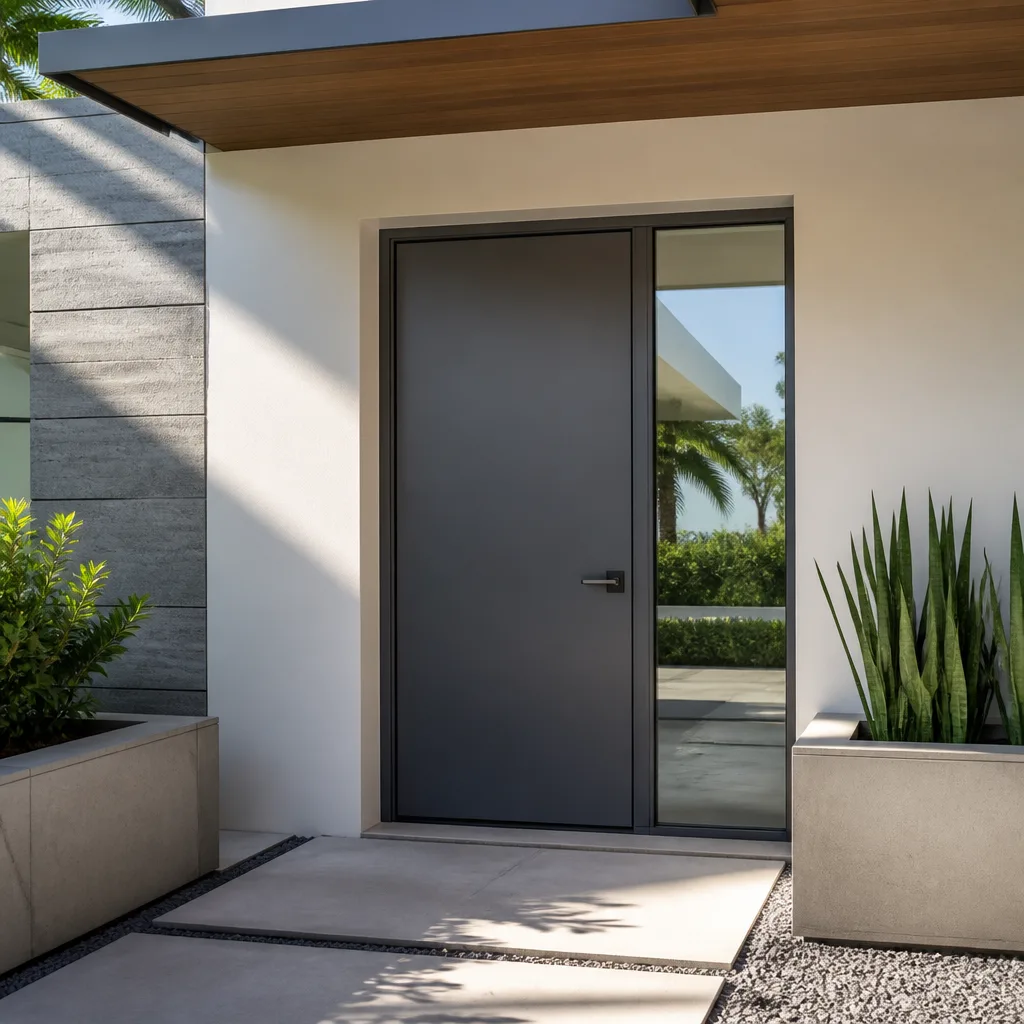
Kendall’s location in Miami-Dade County subjects every window and door installation to the Florida Building Code’s most stringent wind-borne debris provisions. The High Velocity Hurricane Zone requirements affect not just product selection but also the diagnostic significance of certain warning signs.
Impact Rating and What Failure Looks Like
Impact-rated products in Kendall carry a Miami-Dade County Notice of Acceptance (NOA) or Florida Product Approval. These products use laminated glass, reinforced frames, and specific fastening patterns that differ from non-impact products sold in other markets. When an impact-rated product shows failure signs, the implications are different:
- Frame corrosion on an impact-rated unit is more consequential because the frame must maintain its design strength to resist missile impact. Section loss that would be acceptable in a non-impact frame may compromise the NOA compliance.
- Glazing seal breach in an impact-rated IGU means the laminated layer is no longer protected from environmental degradation. The interlayer can delaminate, which is not a safety issue immediately but progressively degrades optical quality and impact resistance.
- Hardware failure in an impact-rated product may mean the unit cannot maintain its pressure rating under cyclic wind loading, even if it still operates manually.
Soil and Settlement Patterns
Kendall’s developed areas sit on a mix of native limestone and engineered fill. In neighborhoods built during the 1970s and 1980s development waves - much of Kendale Lakes, The Crossings, and the areas north of Kendall Drive - we see more rough opening distress than in newer construction on engineered pads. The differential settlement creates racking that shows first as operational resistance, then as visible frame distortion, then as drywall cracking.
Homeowners in these neighborhoods should pay particular attention to operational changes that develop over 6 to 12 months rather than suddenly. Gradual operational degradation is the signature of settlement-related frame distortion.
The Cooling Season Factor
Kendall’s cooling season runs effectively year-round, with only brief heating periods in January and February. This means windows and doors are under thermal stress from interior cooling against exterior heat for more months than in northern climates. The constant thermal cycling accelerates seal degradation in IGUs and increases the expansion-contraction cycles that stress frame joints and caulking.
We specify products for Kendall openings with this in mind. Sightline Windows & Doors Kendall home surveys include frame temperature readings and solar exposure assessment to determine whether standard specifications are adequate or whether upgraded thermal performance is warranted.
Common Mistakes to Avoid
- Treating interior drywall cracks as a cosmetic issue. In Kendall’s climate, drywall cracks at window corners that reappear after repair almost always indicate rough opening movement or moisture intrusion. Repainting without investigating the source guarantees recurrence and may conceal structural progression.
- Assuming fogging means the whole window must be replaced. Between-the-pane condensation requires IGU replacement, not necessarily frame replacement. A contractor who quotes full replacement without assessing frame condition may be overselling. Conversely, a contractor who quotes glass-only replacement on a corroded frame is underselling the real need.
- Ignoring operational resistance until the hardware fails completely. Forcing a binding window or door increases operating loads beyond design, which damages the frame and may strip fasteners from the rough opening. The cost difference between hardware replacement and frame-plus-rough-opening repair is substantial.
- Applying exterior caulking over failed flashing. Caulking is a sealant, not a flashing. When sill pan or head flashing has failed, caulking the exterior joint traps water in the wall cavity instead of excluding it. We see this mistake frequently on DIY repairs in Kendall’s older neighborhoods.
- Selecting replacement products without verifying NOA compliance. Not every window sold in Florida meets Miami-Dade HVHZ requirements. A product that is legal to sell in Orlando may not be legal to install in Kendall. Verify the Miami-Dade NOA or Florida Product Approval number before ordering.
- Neglecting to document pre-existing conditions before storm season. June through November is not the time to discover that your windows have progressive failure. Document in April or May, and address concerns before demand peaks and lead times extend.
When to Call a Professional
Call for professional assessment when you observe structural distress signs (drywall cracks at openings, doors that swing on their own, visibly out-of-square frames), when between-the-pane condensation appears on multiple units simultaneously (suggesting a batch failure or environmental cause), when corrosion has reached Stage 2 or beyond on aluminum frames, or when operational resistance is increasing despite lubrication and adjustment attempts.
For homeowners who want certainty before committing, Sightline Windows & Doors Kendall offers free estimates in Kendall - call (786) 321-3319. Explore more guides & resources on our blog. We also provide free second opinions on any written estimate from another contractor; bring us their scope and pricing and we will review it against what our measured survey finds, at no charge. Every visit produces a documented photo record and a written scope that becomes your quote - Haven Clause 1, the measurement and the quote are the same document.
Frequently Asked Questions
Window replacement in Kendall typically ranges from $650 to $1,400 per opening for standard vinyl or aluminum impact-rated units, with wood-clad and custom geometric products at higher tiers. The price depends on frame condition, rough opening squareness, and whether structural remediation is needed. Call (786) 321-3319 for a written quote based on your measured survey - estimates are free.
Windows need replacement when frame corrosion has reached Stage 2 or beyond, when the frame is out of square by more than 1/4 inch, when rough opening moisture damage is present, or when the product is obsolete and replacement hardware is unavailable. Repair is viable for isolated glazing seal failure in a sound frame, for hardware replacement on a square frame, and for localized flashing repair when caught early. The documented photo checklist in this guide helps you make this preliminary determination before calling.
No. Haven Clause 1 means the measured survey and the written quote are the same document. If we encounter concealed damage during installation that was not visible at survey, we document it, stop work, and present a revised scope for your approval before proceeding. We do not proceed at a higher price without explicit written authorization.
Yes. Every window and door replacement in Kendall requires a Miami-Dade County building permit. We pull the permit, schedule inspections, and ensure the final inspection is passed before invoicing. The permit record becomes part of your documentation package.
A typical full-home replacement of 10 to 15 openings requires 2 to 3 days of installation after product delivery, which ranges from 4 to 10 weeks depending on manufacturer and product specification. Single-opening replacements can often be scheduled within a shorter window. We provide a written schedule with every quote, including permit and inspection timelines.
We specify from eight manufacturer lines based on what the opening requires, not what is in stock. For impact-rated applications, we frequently draw from PGT and CGI. For entry door systems, Therma-Tru provides the performance tiers we need. For custom and geometric openings, ViewLux and ECO Window Systems offer the specification flexibility that Kendall’s varied architecture demands. Every product carries the Miami-Dade NOA or Florida Product Approval required for legal installation in Kendall.
The Bottom Line
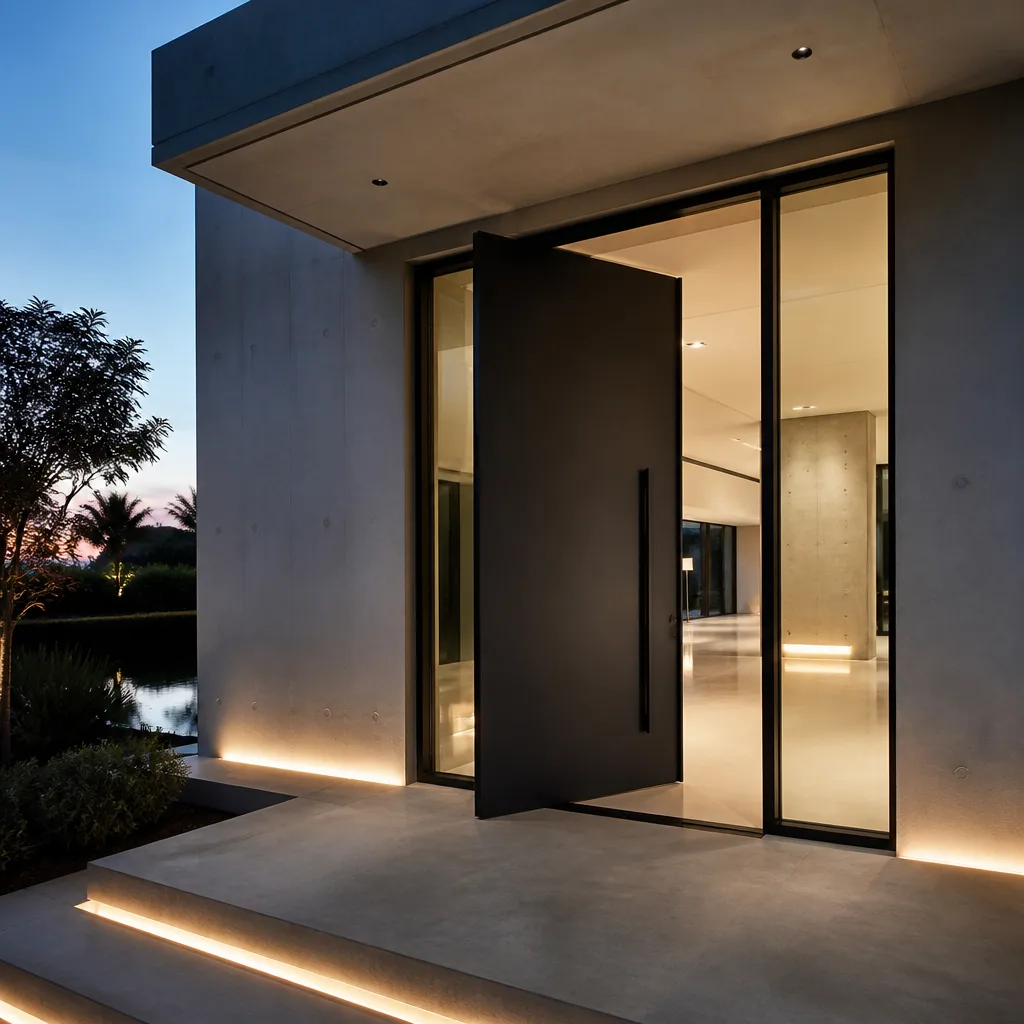
The warning signs around your windows and doors are not arbitrary. They form a diagnostic language that describes which system has failed and how far the failure has progressed. In Kendall’s climate, where salt air, thermal cycling, and hurricane code requirements create stresses that northern markets do not experience, reading these signs correctly is the difference between a scoped repair and an unscoped emergency. Document what you see, classify it by the system beneath the symptom, and verify that any contractor’s quote addresses the full scope - not just the visible surface. The door installation in Kendall or window replacement you eventually undertake should begin with a measured survey you keep and a written price that does not change.
Written by Sonia Raman, Owner at Sightline Windows & Doors Kendall, serving Kendall since 2012.