
Last updated September 24, 2026
Free in-home measure and quote - PGT, CGI and CWS impact lines compared on your actual openings, style by style
 Before
 After
After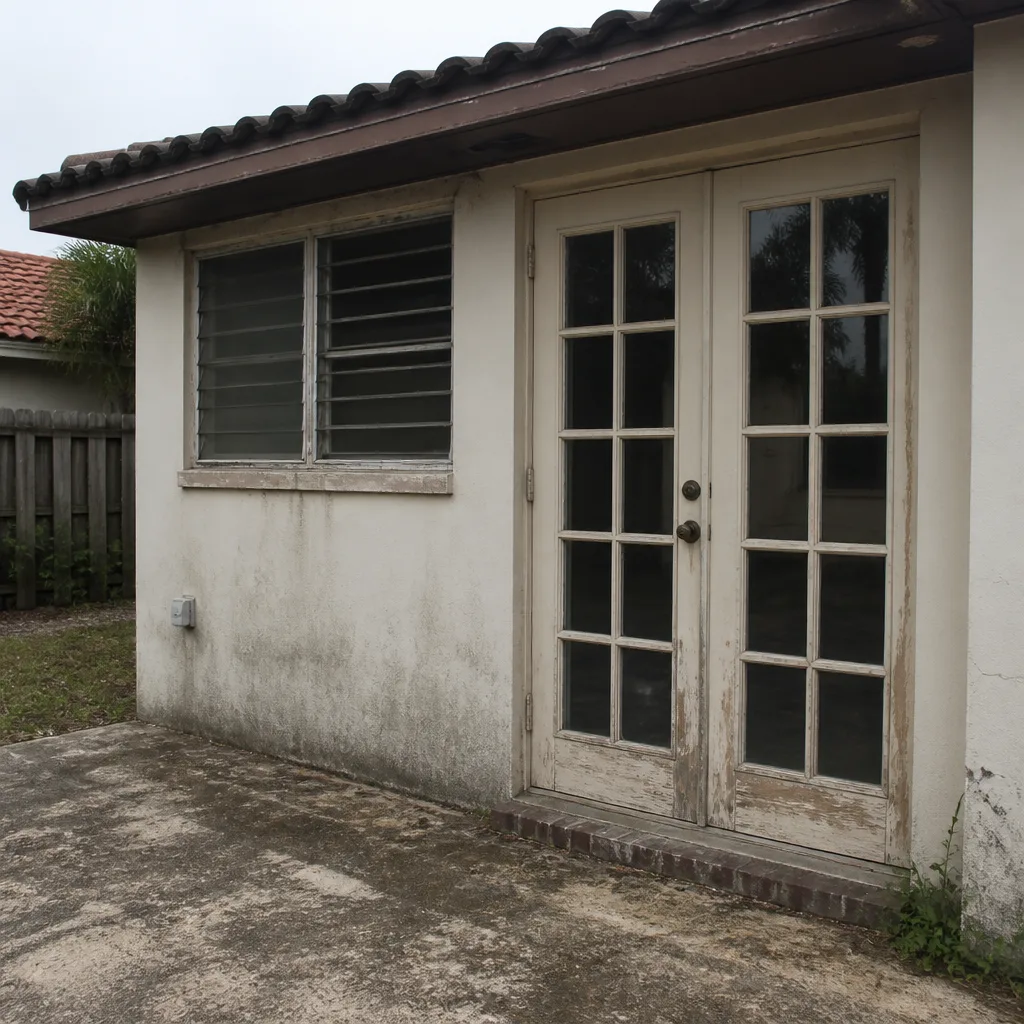 Before
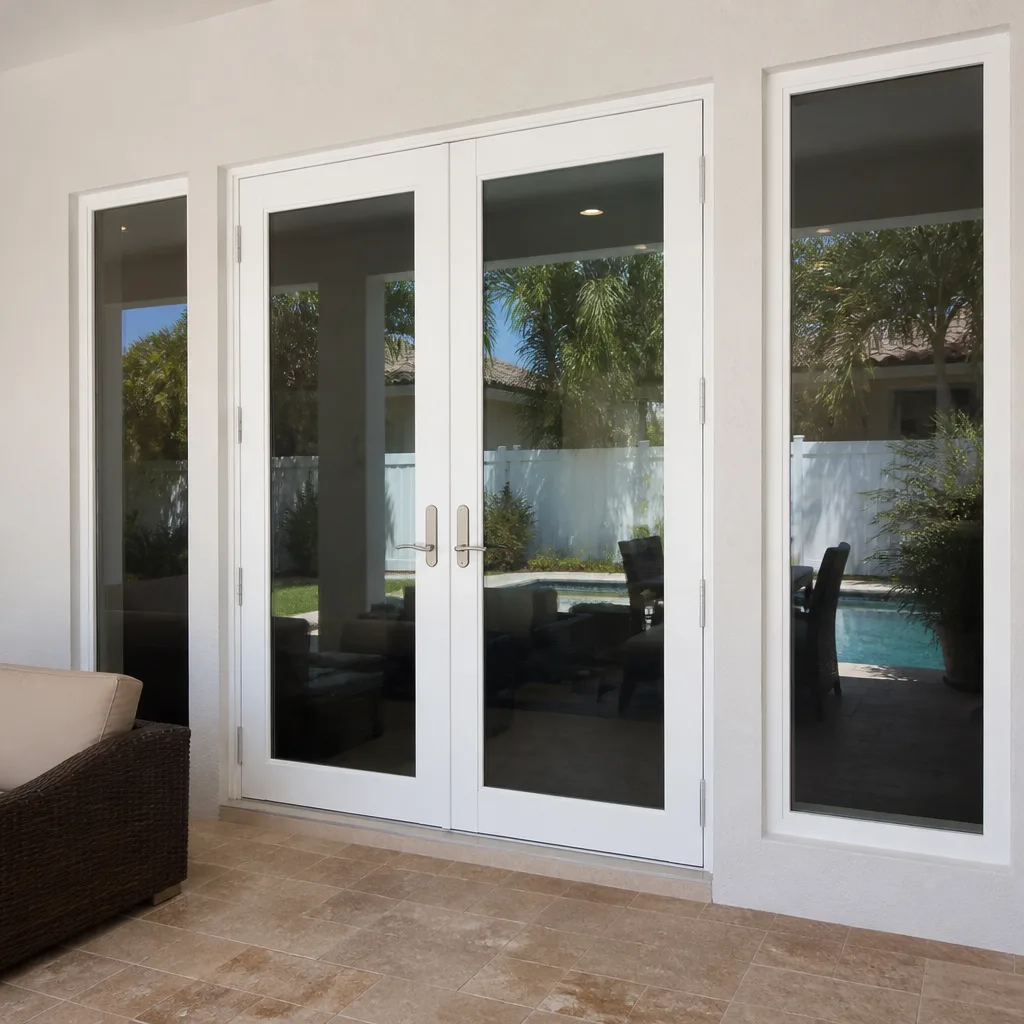 After
After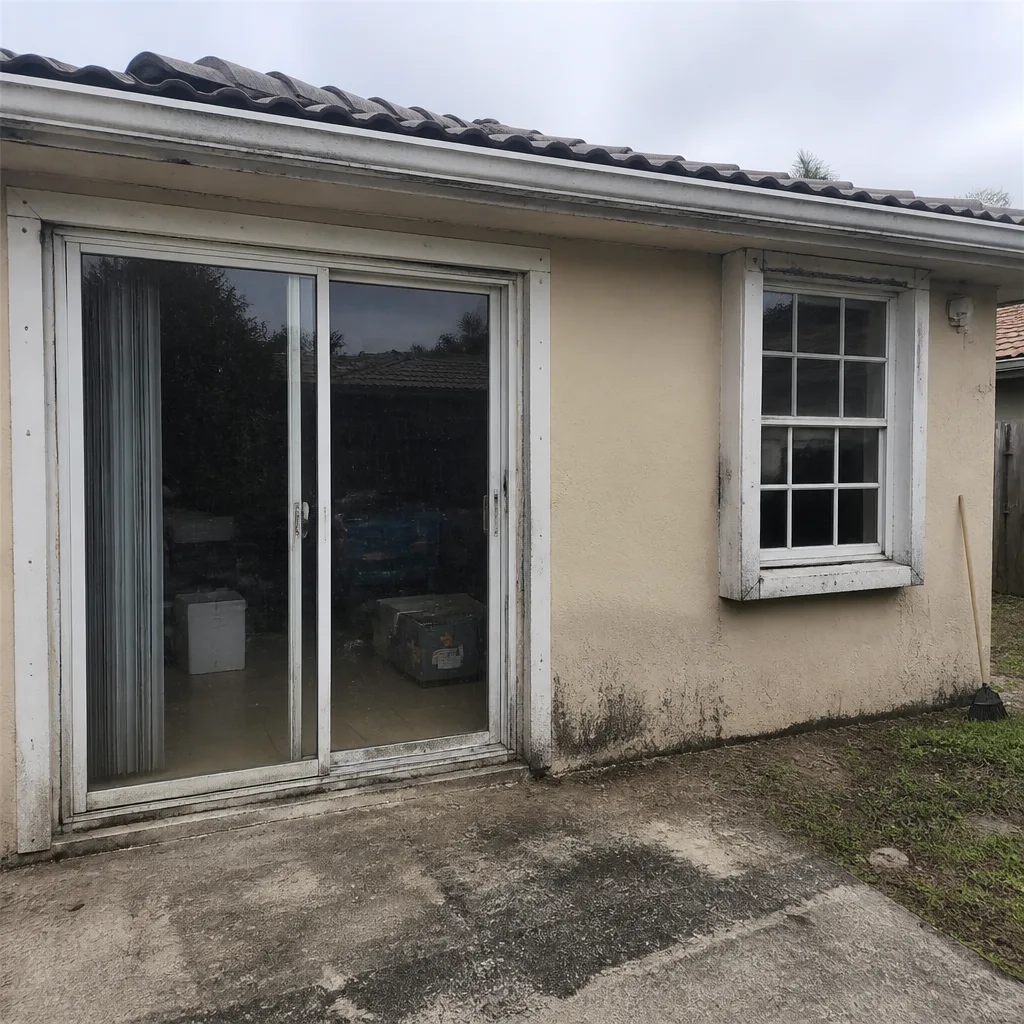 Before
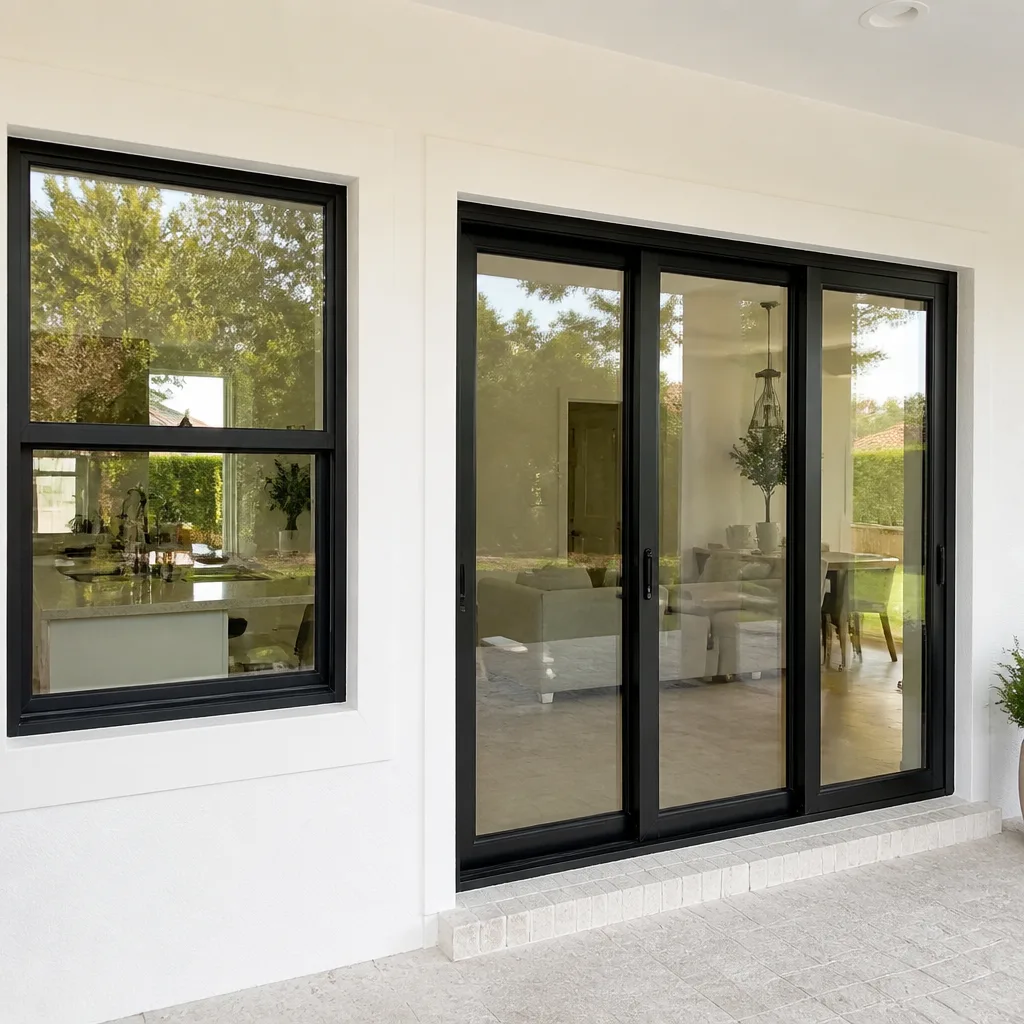 After
AfterDIY vs Professional Windows & Doors: The Kendall Homeowner’s Decision Guide
A Kendall homeowner who self-installs an impact window correctly - same PGT product, same technique, same silicone bead - and a licensed contractor who installs the identical window will produce two different legal outcomes: one has a recorded permit and an insurable opening, and one has neither. In this guide, you’ll learn where Miami-Dade’s High Velocity Hurricane Zone code draws the line between legal owner-builder work and unpermitted installation, how that line affects your windstorm coverage and manufacturer warranty, and which narrow tasks a Kendall homeowner can still perform within a properly permitted project.
Quick Answer
Most window and door replacement in Kendall requires a licensed contractor to pull permits and pass Miami-Dade HVHZ inspections. DIY installation of impact-rated products is legal only for owner-builders on their primary residence, and even then, the manufacturer warranty and homeowner’s windstorm coverage typically require licensed installation with permit documentation. The permit and inspection process adds $400-$900 to a typical Kendall project, but an unpermitted installation discovered at resale or claim time can cost $3,000-$8,000 to remediate.
Table of Contents
- Miami-Dade Owner-Builder Rules: Where the Line Falls
- How Unpermitted Work Is Discovered - and What Remediation Costs
- What DIY Tasks Remain Legal and Practical in Kendall
- Permit Costs as a Line Item: What You’re Actually Buying
- Warranty Voiding Clauses in Major Manufacturer Warranties
- Impact Window Specs: What DIY Measurement Misses
- Common Mistakes to Avoid
- When to Call a Professional
- Frequently Asked Questions
- The Bottom Line
 Before
 After
AfterMiami-Dade Owner-Builder Rules: Where the Line Falls
Miami-Dade County allows owner-builders to act as their own contractor on a single-family home they occupy as their primary residence. This is not a blanket DIY permit. The exemption, found in Florida Statute 489.103(7), carries specific restrictions that window and door replacement in Kendall routinely violates if the owner is not careful.
The owner-builder exemption applies only to the owner of the property, not to tenants, family members acting on the owner’s behalf, or LLC-held investment properties. The owner must personally supervise all work. They cannot hire unlicensed subcontractors to perform tasks that require a license - and in Miami-Dade’s High Velocity Hurricane Zone, window and door installation absolutely requires a license when impact-rated products are involved.
Here is where most Kendall homeowners misread the rule. The owner-builder exemption does not exempt the work from the Florida Building Code or Miami-Dade HVHZ amendments. It merely allows the owner to pull the permit in their own name rather than through a licensed contractor. The owner still must:
- Submit engineered drawings or manufacturer installation details with the permit application
- Schedule and pass all required inspections - rough opening, installation, and final
- Obtain a Certificate of Completion or Certificate of Occupancy update
- Maintain all documentation for the life of the structure
The critical distinction: an owner-builder can pull the permit, but they cannot hire an unlicensed installer to do the work. If the owner does not personally perform every aspect of the installation, they need licensed help. Most impact window manufacturers in Kendall, including PGT and CGI, require installation by a licensed contractor as a condition of their warranty. The owner-builder exemption exists on paper, but the warranty and insurance ecosystems surrounding it make practical DIY installation of impact products nearly impossible.
For non-impact replacement windows in interior locations or secondary structures, the owner-builder path is more viable. A fixed picture window in a garage conversion, for example, might not trigger HVHZ product requirements. But any opening in the building envelope that faces wind-borne debris zones must use impact-rated products or approved shutters, and those products come with installation conditions that override the statutory owner-builder freedom.
How Unpermitted Work Is Discovered - and What Remediation Costs

Unpermitted window and door installation in Kendall does not stay hidden. It surfaces through three predictable channels, each with escalating cost and consequence.
Insurance claims and windstorm inspections. After Hurricane Andrew, Florida adopted uniform wind mitigation inspection forms. When a homeowner files a claim for wind damage, the adjuster requests the permit history for the affected opening. An unpermitted impact window is treated as a non-impact window for claim purposes, regardless of the product sticker. The homeowner receives the lower coverage tier, often a 30-50% reduction in payout for that opening. In a total loss scenario, the absence of permits for multiple openings can shift the entire structure into a higher risk classification, reducing the claim basis for the whole policy.
Title searches and resale inspections. Kendall’s housing stock turns over regularly in neighborhoods like Pinecrest by the Sea, Kendale Lakes, and the Dadeland area. Buyers working with financed purchases trigger lender-required inspections. Unpermitted work appears as an open permit or, worse, as work without any permit record. Remediation before closing typically requires:
- Retroactive permit application with engineered drawings: $800-$1,500
- Exposing the opening for inspector verification: $400-$1,200 per opening
- Reinstallation or supplemental fastening if the original work does not match current code: $1,500-$4,000 per opening
- Delay of closing or deal renegotiation: variable, often 2-4 weeks
Code enforcement and neighbor complaints. Less common but not rare in Kendall’s dense townhouse and villa communities. A visible window replacement without a posted permit draws complaints to Miami-Dade Code Compliance. Fines start at $250 per day for active unpermitted work and can accumulate until the opening is brought into compliance. The county does not grandfather unpermitted work; the owner must bring it to current code, not the code in force at the time of installation.
In our experience across Kendall since 2012, remediation of a single unpermitted impact window typically runs $3,000-$5,000. Multiple openings, or work in a townhouse with association oversight, push toward the $8,000 range. The original DIY savings, usually $800-$1,500 in labor, are erased several times over.
What DIY Tasks Remain Legal and Practical in Kendall
Professional installation does not mean the homeowner is absent from the project. Several tasks fall squarely within the owner’s role, reduce project cost without legal risk, and improve the final result through the owner’s direct attention.
Interior trim and finish carpentry. Once the window is installed, flashed, and inspected, interior trim is owner-builder work. Paint-grade pine or PVC trim around a replacement window requires no permit and carries no warranty implications. The owner controls paint color, trim profile, and caulking quality. We recommend waiting 48 hours after final inspection before installing trim, to allow any sealant curing to complete without disturbance.
Landscaping and hardscaping protection. Moving patio furniture, protecting irrigation lines, and laying plywood runs for material delivery are owner tasks that prevent costly damage. In Kendall’s coral-rock soil, shallow irrigation lines near foundation walls are easily damaged by ladder placement. Marking these before our crew arrives is a genuine cost saver.
Window treatment installation. Blinds, shades, and interior shutters mount after the installation is complete and permitted. The owner can measure, order, and install these without affecting the window warranty or permit status. We note the exact daylight opening dimensions on the measured survey the customer keeps, which simplifies treatment ordering.
Demolition of non-structural elements. Removing old interior trim, window treatments, and in some cases non-load-bearing drywall returns is owner-permissible. The line: do not disturb the existing window frame, rough opening, or exterior finish. Once those are touched, the work enters the licensed scope.
Material selection and specification. The owner should drive product selection. At Sightline Windows & Doors Kendall home, we specify from eight manufacturer lines - PGT, CGI, CWS, ES Windows, ECO Window Systems, Mr-Glass, Therma-Tru, and ViewLux - by performance tier and price range, not by margin. The owner who has reviewed U-factor and SHGC ratings, who understands the difference between laminated and monolithic impact glass, makes a better-informed choice. We provide the measured survey and written scope; the owner provides the priority ranking.
Permit Costs as a Line Item: What You’re Actually Buying

Homeowners often ask what the permit and inspection process costs as a separate line item, as if it were an optional add-on. It is not optional, but separating the cost clarifies what the licensed contractor’s fee includes.
| Line Item | Typical Range in Kendall | What It Covers |
|---|---|---|
| Building permit application | $150-$300 | Plan review, HVHZ product approval verification, fee to Miami-Dade Building Department |
| Trade permit (if electrical or plumbing affected) | $75-$150 | Required for doorbells, powered vents, or adjacent plumbing relocation |
| Inspection fees | $100-$250 | Rough opening, installation, and final inspections; re-inspection if failed |
| Engineered drawings or manufacturer details | $75-$200 | Stamped installation details for non-standard openings or custom products |
| Total permit package | $400-$900 | Complete documentation chain from application to Certificate of Completion |
What this buys is not merely bureaucratic approval. The permit record creates a searchable, permanent documentation trail that:
- Activates the manufacturer warranty (all major impact lines require permit documentation for warranty claims)
- Satisfies windstorm inspection requirements for insurance discounts
- Transfers cleanly to subsequent owners without re-inspection
- Provides the “evidence on every job” standard that Haven Clause 4 requires
At Sightline Windows & Doors Kendall, the permit cost is embedded in the written quote, not added later. The measured survey and the final invoice are the same document - Haven Clause 1. The homeowner sees the permit line item before any work starts, with no change order possible.
Warranty Voiding Clauses in Major Manufacturer Warranties
Manufacturer warranties for impact windows and doors contain installation conditions that most homeowners do not read until they need to file a claim. The language is specific and enforceable.
PGT WinGuard products. The limited warranty states that “proper installation by a qualified, licensed contractor in accordance with PGT’s published installation instructions” is a condition of coverage. The warranty excludes “damage resulting from improper installation, including but not limited to installation by unlicensed persons or without required building permits.” PGT reserves the right to inspect the installation and request permit documentation before honoring any claim.
CGI Estate Collection and Sentinel lines. CGI’s warranty requires “installation by a dealer or contractor authorized by CGI and in compliance with all applicable building codes.” The code compliance requirement includes permit and inspection records. CGI explicitly notes that “owner-installed products are covered only if installed by a licensed contractor with valid permits.”
Therma-Tru door systems. The limited lifetime warranty on fiberglass entry doors covers “defects in manufacturing and materials” but excludes “damage caused by improper installation, including failure to follow written installation instructions and local code requirements.” Local code in Kendall means Miami-Dade HVHZ amendments, which require permitted installation.
ViewLux impact products. ViewLux conditions its warranty on “installation by a licensed and insured contractor in accordance with Florida Building Code and applicable HVHZ requirements.” The warranty registration form requests permit number and inspection date.
The pattern is consistent across manufacturer lines. The warranty is not a blanket product guarantee. It is a performance guarantee contingent on documented, code-compliant installation. An owner-builder who personally installs a PGT window and personally pulls the permit might satisfy the letter of the warranty, provided they register the product with permit documentation. But the owner who skips the permit, or hires unlicensed help, has no coverage regardless of product quality.
This is the central fact that reshapes the DIY versus professional question in Kendall. The skill of installation is secondary to the documentation of installation. A perfect installation without a permit produces an unwarranted product and an uninsurable opening. A competent installation with full permit documentation produces a protected asset.
Impact Window Specs: What DIY Measurement Misses
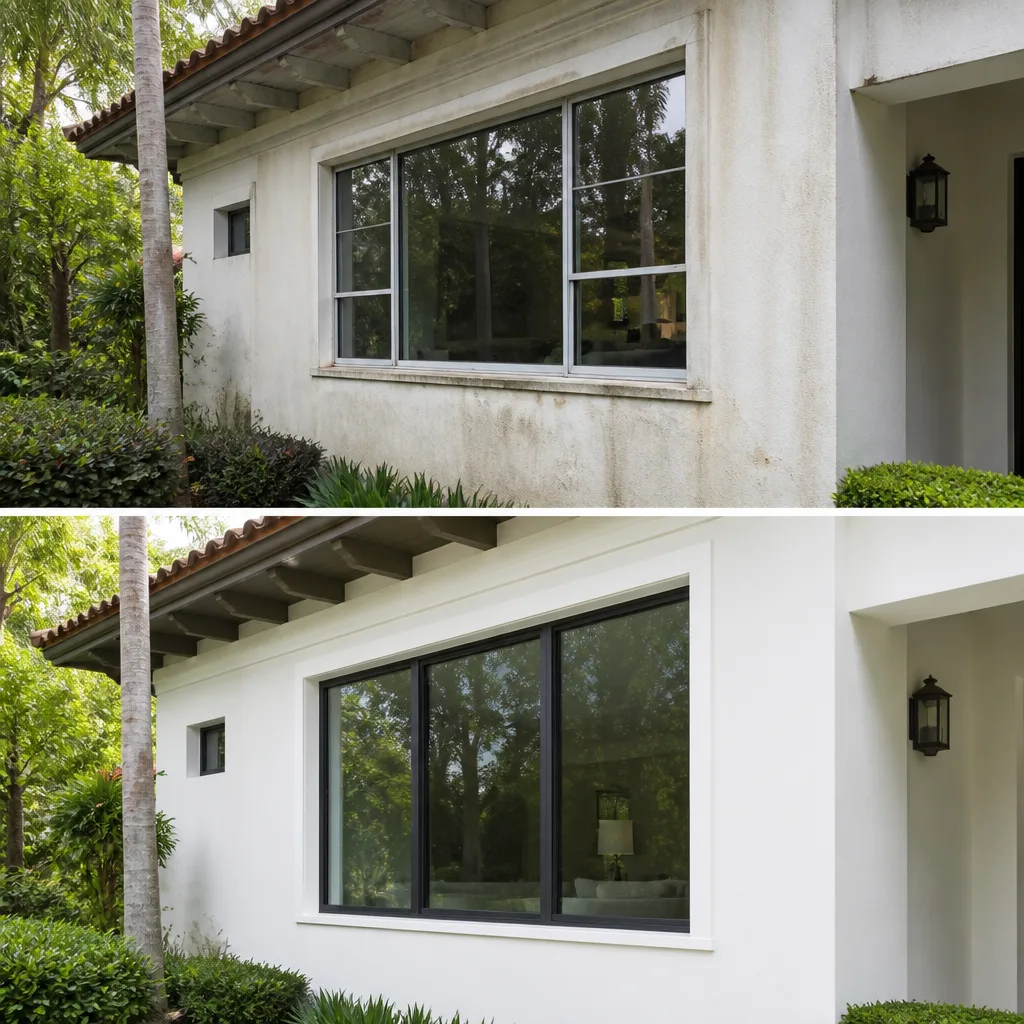
The measured survey is where professional installation diverges from DIY before a tool is lifted. Homeowners who self-measure for window replacement typically record width, height, and wall thickness. These three dimensions are necessary but not sufficient for a Kendall installation that will pass inspection.
Sightline measurement. The visible glass dimension from the interior, which determines how much light enters and how the window reads in the room. A replacement window with correct rough opening dimensions but wrong sightline can leave the homeowner with less visible glass than the original, or with an out-of-proportion appearance on the facade. We record sightline on every measured survey the customer keeps.
Frame depth and wall section. Kendall construction spans multiple eras: 1960s concrete block with plaster, 1980s block with stucco, 2000s frame with EIFS. Each wall type requires different frame depth and anchoring patterns. A window ordered on rough opening dimensions alone may not seat properly in the wall section, leaving gaps that fail inspection or create thermal bridges.
Impact rating and design pressure. The HVHZ code assigns design pressure ratings by exposure and building height. A first-floor window in a Kendale Lakes ranch faces lower pressure than a third-floor window in a Dadeland condo. The product must match the opening’s design pressure, not merely be “impact-rated.” We verify the design pressure from the existing window label or calculate it from the building’s exposure category, height, and opening size per ASCE 7.
Glazing specification. Impact glass is not uniform. Laminated glass with polyvinyl butyral (PVB) interlayer performs differently than glass with sentryglas (ionoplast) interlayer. The homeowner who orders “impact glass” without specifying interlayer type may receive a product that meets code but underperforms on UV transmission or post-breakage behavior. Our written scope specifies interlayer type, U-factor, and SHGC for every opening.
Anchor pattern and fastening schedule. Miami-Dade HVHZ has specific fastening requirements that vary by frame material, wall type, and design pressure. A vinyl frame in concrete block uses a different anchor pattern than an aluminum frame in wood frame construction. The fastening schedule is part of the permit submittal and is verified at inspection. DIY installation without engineered fastening details risks inspection failure and structural inadequacy in a wind event.
The measured survey we provide addresses each of these points. The customer keeps this document. The written quote cannot differ from it. This is Haven Clause 1, and it is the standard against which we measure every window installation in Kendall and door installation in Kendall.
Common Mistakes to Avoid
- Assuming the owner-builder exemption covers hired help. It does not. Any person performing installation work for compensation must be licensed in Miami-Dade. A homeowner who pulls an owner-builder permit and then hires an unlicensed installer commits a misdemeanor and voids the permit.
- Replacing “like for like” without checking current code. The window being removed may have been legal when installed but would not pass current HVHZ standards. A non-impact window in a wind-borne debris zone cannot be replaced with another non-impact window, even if the dimensions match exactly.
- Ignoring the product approval expiration. Miami-Dade maintains a product control database with approval expiration dates. A window with a valid Florida Product Approval but expired Miami-Dade Notice of Acceptance will fail inspection. We verify current status before ordering.
- Skipping the rough opening inspection. Some homeowners install the window and call for final inspection only. The rough opening inspection verifies flashing, anchorage preparation, and structural condition before the window is set. Skipping it requires removing the window for inspector access, doubling the labor.
- Failing to register the warranty with permit documentation. The warranty claim process requires proof of permitted installation at the time of registration, not merely at claim time. Register without permits, and the claim is denied regardless of when the damage occurs.
- Using generic silicone instead of specified sealant. Manufacturer warranties and Miami-Dade approvals specify sealant type, often a chemically curing polyurethane or high-performance silicone. Big-box silicone rated for “windows and doors” may not meet the product approval, and the warranty excludes sealant-related failures from non-specified products.
- Neglecting to update the windstorm inspection form. A permitted installation should trigger a re-inspection for wind mitigation credits. The homeowner who does not update Form OIR-B1-1802 leaves insurance discounts unclaimed, often $500-$1,500 annually in Kendall.
When to Call a Professional
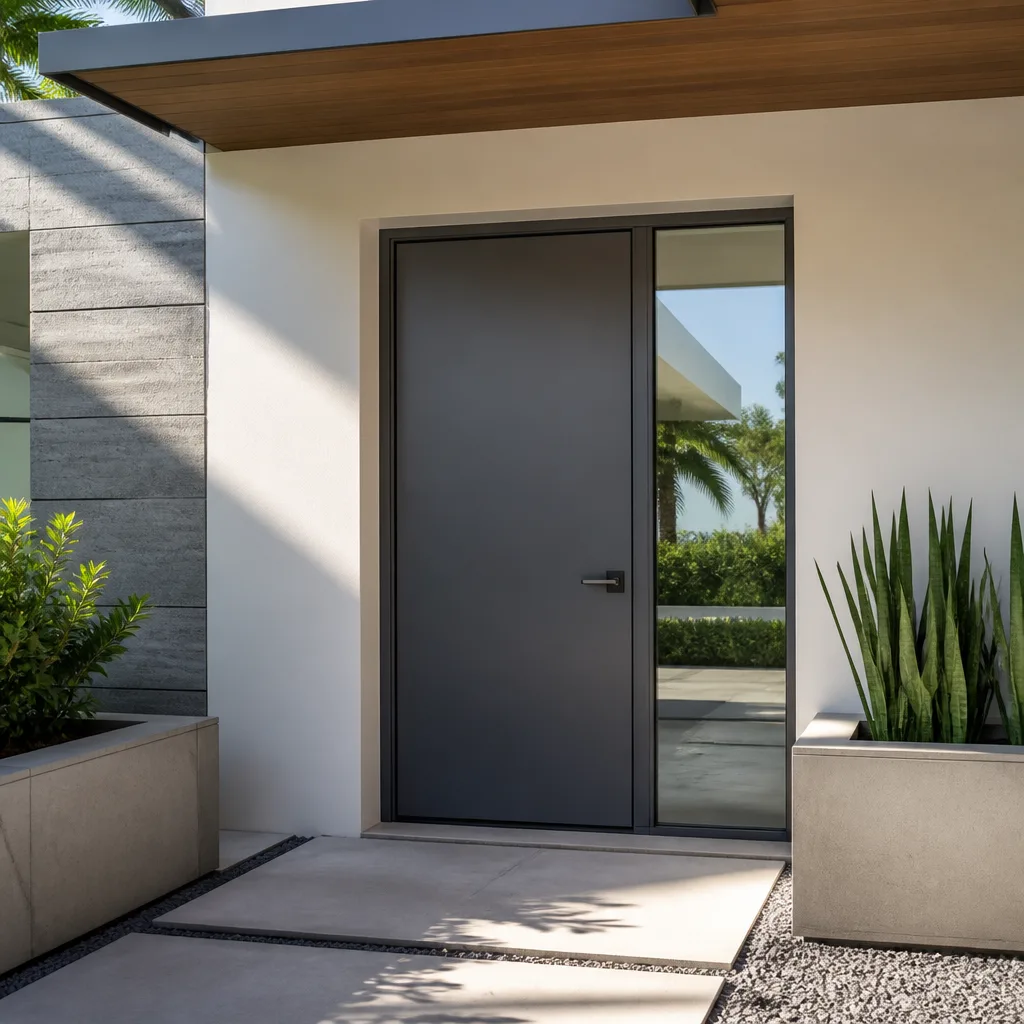
Call a licensed contractor when the opening is in the building envelope, when the product is impact-rated, when the wall type is concrete block or EIFS, when the installation is above ground level, or when the project involves more than two openings. These are not skill thresholds; they are legal and documentation thresholds that owner-builders cannot practically satisfy.
Specific scenarios that require professional handling: replacement of any window or door in a wind-borne debris zone; installation of PGT, CGI, or ViewLux impact products where warranty registration is desired; any project requiring Miami-Dade building permits; townhouse or condo work with association architectural review; and any opening with visible water intrusion, frame rot, or structural compromise.
Sightline Windows & Doors Kendall offers free estimates in Kendall. Our measured survey produces a written price before any work starts, and our documented photo record provides the evidence Haven Clause 4 requires. Call (786) 321-3319 to schedule your free estimate.
Frequently Asked Questions
Yes, on your primary residence through the Florida owner-builder exemption, but you must personally perform all work and pull all required permits. You cannot hire unlicensed help, and most impact window manufacturer warranties still require licensed contractor installation with permit documentation. Call (786) 321-3319 for a free estimate on permitted professional installation.
The permit package for a typical Kendall window replacement runs $400-$900, including building permit application, inspection fees, and any required engineered drawings. This is embedded in our written quote at window replacement in Kendall, not added later. The permit cost is minor compared to the $3,000-$8,000 remediation cost if unpermitted work is discovered.
Yes, if you file a claim. Adjusters request permit histories for damaged openings. An unpermitted impact window is treated as non-impact, reducing your payout by 30-50% for that opening. The permit record is also visible to title searchers at resale. Call (786) 321-3319 to ensure your installation is properly documented.
No. PGT’s limited warranty requires “proper installation by a qualified, licensed contractor” and explicitly excludes “installation by unlicensed persons or without required building permits.” Similar language appears in CGI, Therma-Tru, and ViewLux warranties. The product registration requires permit documentation.
In Miami-Dade, hiring an unlicensed person for window installation is a misdemeanor for both parties. The work is unpermitted, the warranty is void, and the opening is uninsurable. If discovered, you must remediate at full cost plus potential code enforcement fines of $250 per day. The savings from unlicensed labor, typically $800-$1,500, are erased by remediation costs.
Search the Miami-Dade County Contractor Licensing database or the Florida Department of Business and Professional Regulation website. Verify the license is active, in good standing, and covers the scope of work. At Sightline Windows & Doors Kendall, all technicians are background-checked, uniformed, and identified by license number before arrival - Haven Clause 3, Verified Crews. Call (786) 321-3319 to schedule.
The Bottom Line

The DIY versus professional question for windows and doors in Kendall is settled not by skill but by law, insurance, and warranty architecture. Miami-Dade’s HVHZ code requires permitted installation for most replacements. Manufacturer warranties require licensed contractor documentation. Windstorm coverage requires permit-verified openings. The owner-builder exemption exists on paper but collapses under these practical requirements. The narrow tasks a homeowner can perform - interior trim, landscaping protection, window treatments - are real and valuable cost reducers. The core installation, permit pulling, and inspection chain requires licensed execution. The $400-$900 permit cost buys a documented, transferable, insurable asset. The alternative is a hidden liability that surfaces at the worst possible moment.
Written by Sonia Raman, Owner at Sightline Windows & Doors Kendall, serving Kendall since 2012.