
Last updated September 24, 2026
Free in-home measure and quote - PGT, CGI and CWS impact lines compared on your actual openings, style by style
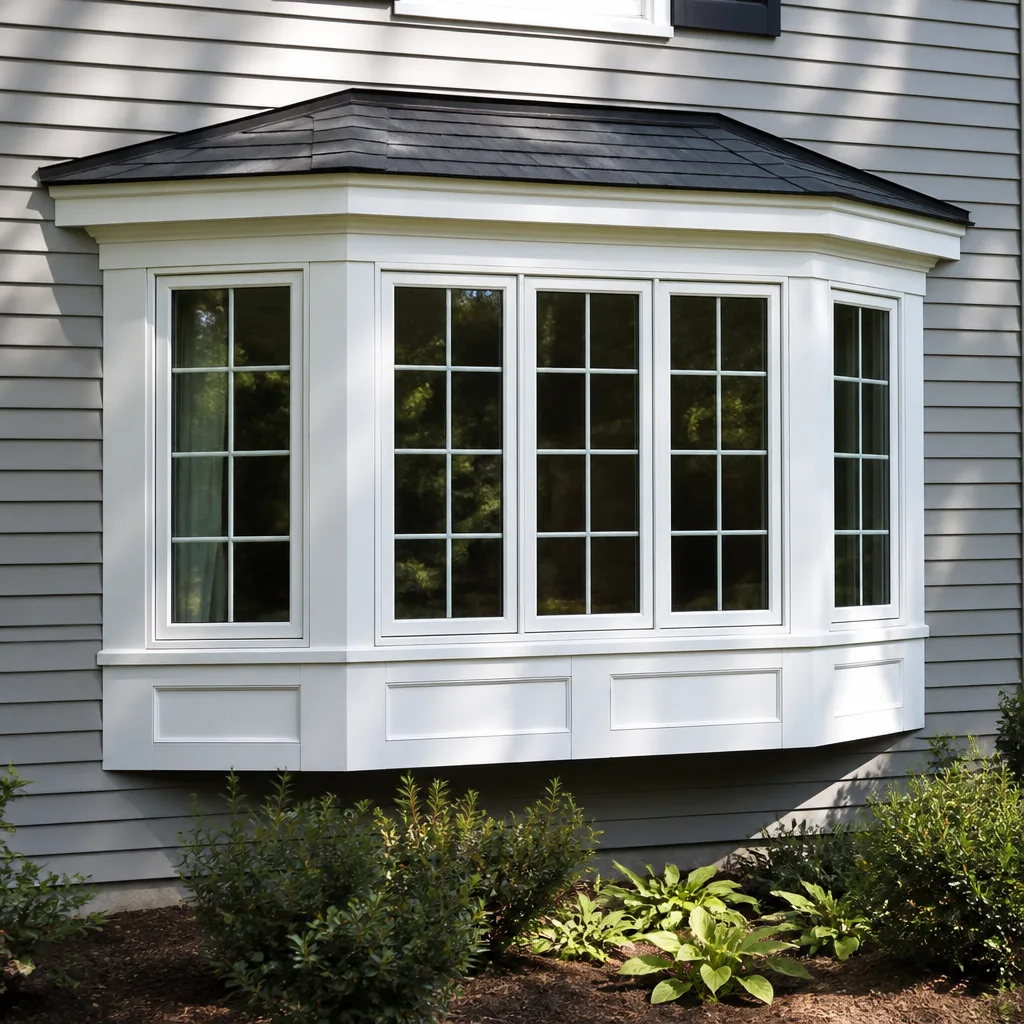
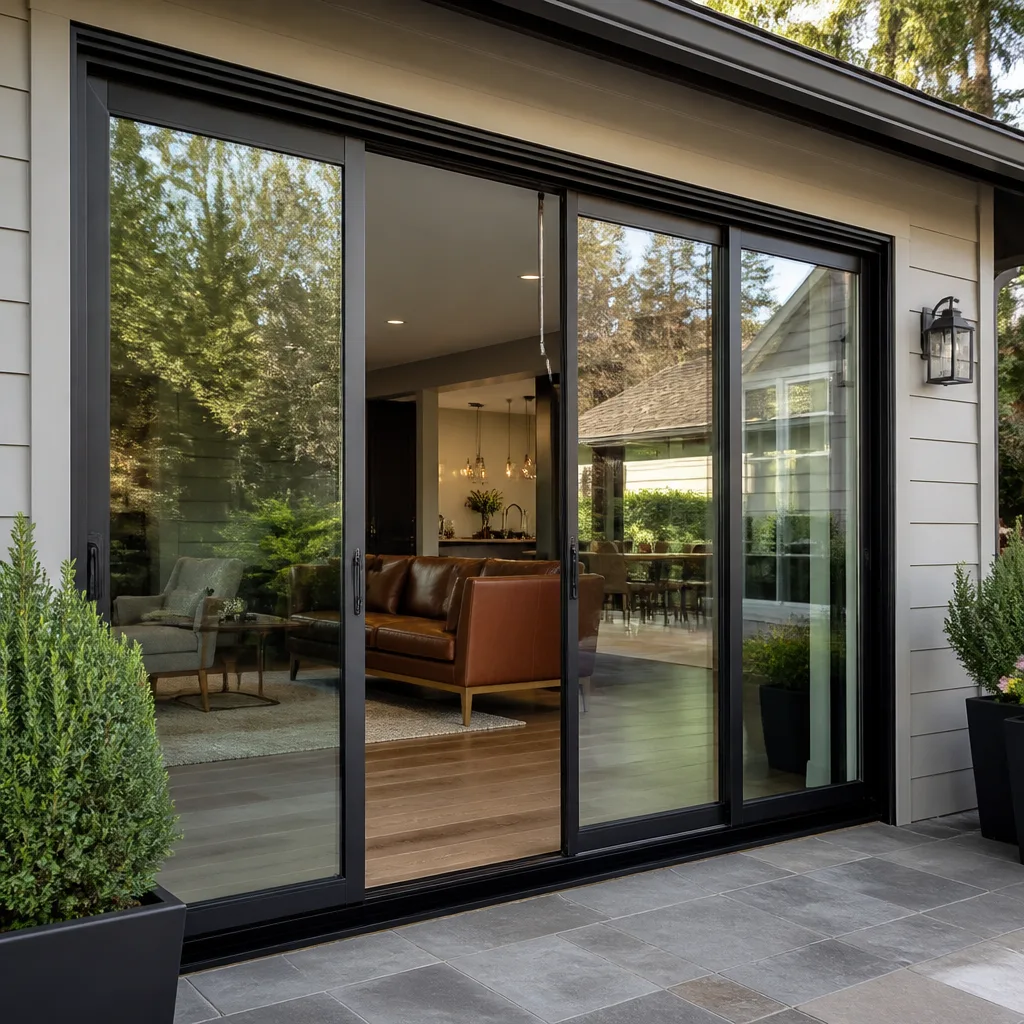
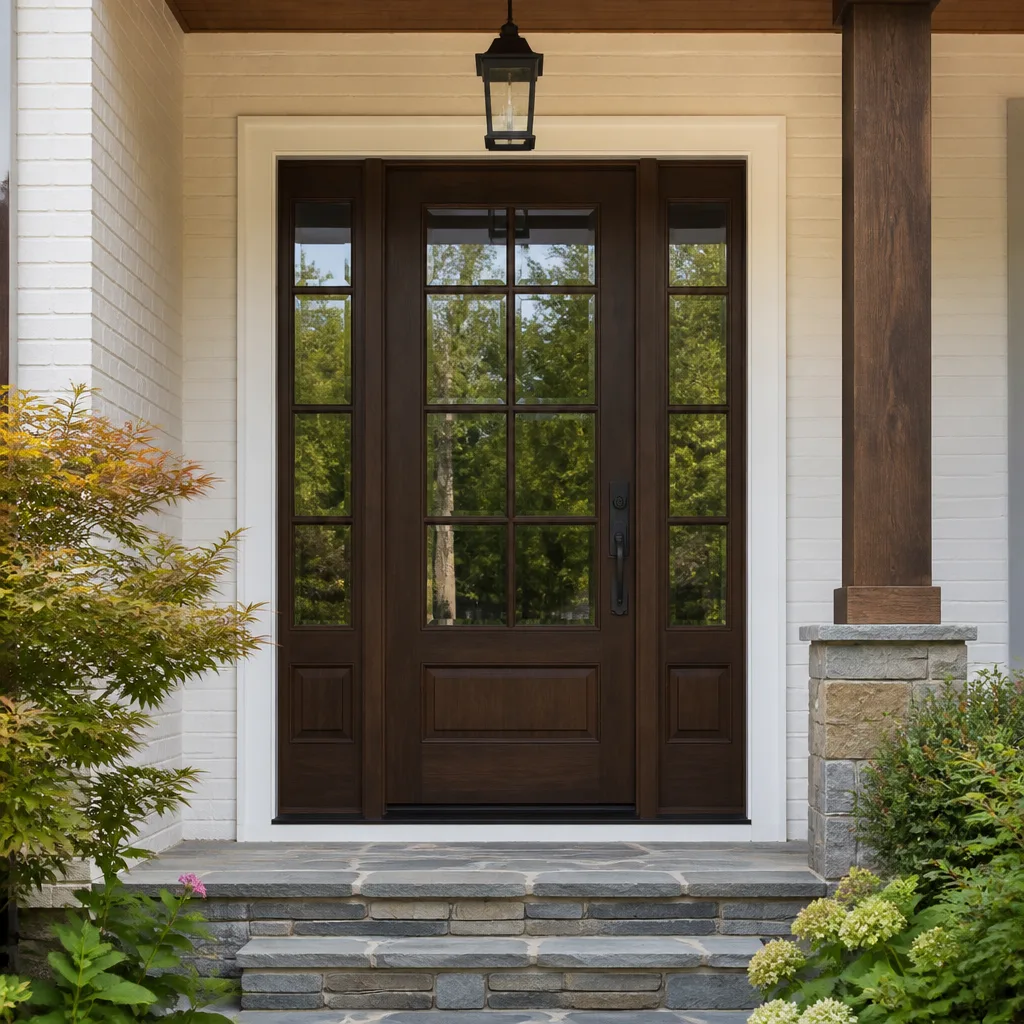
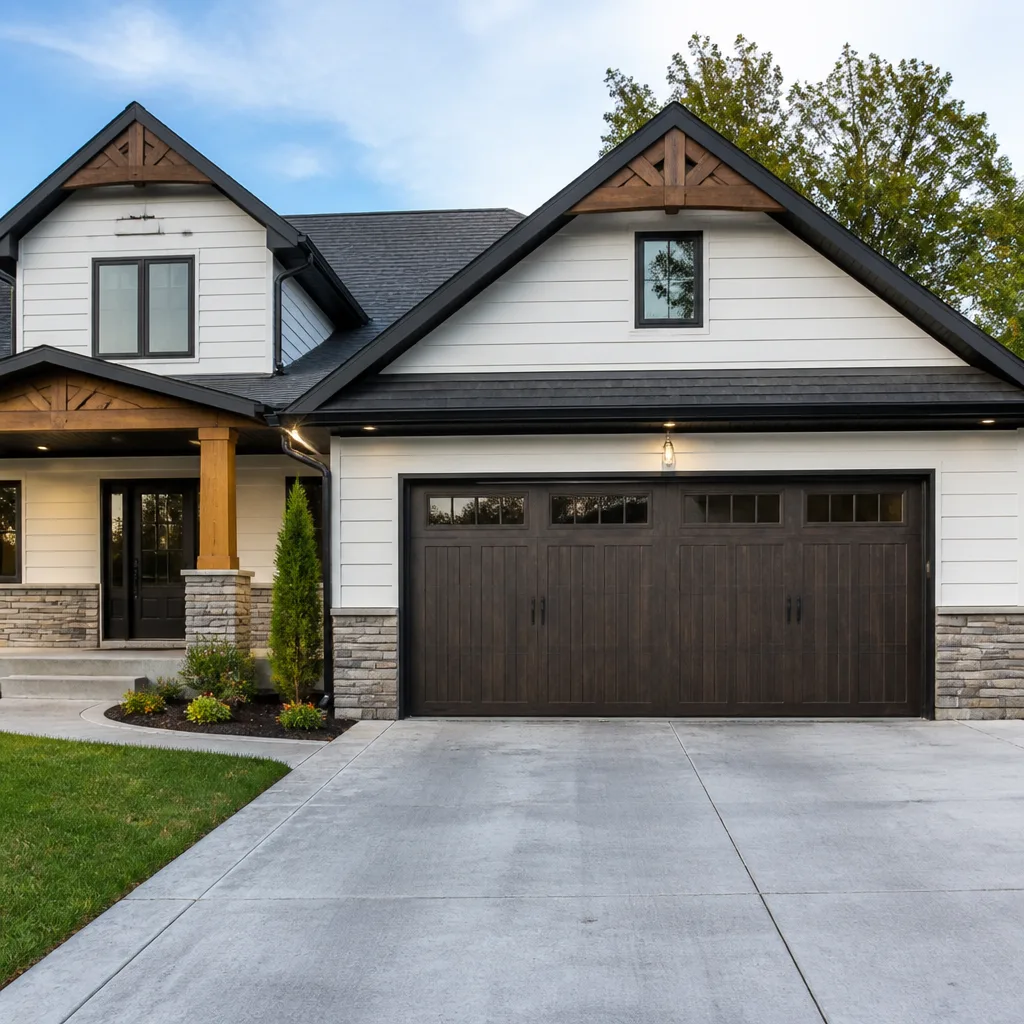
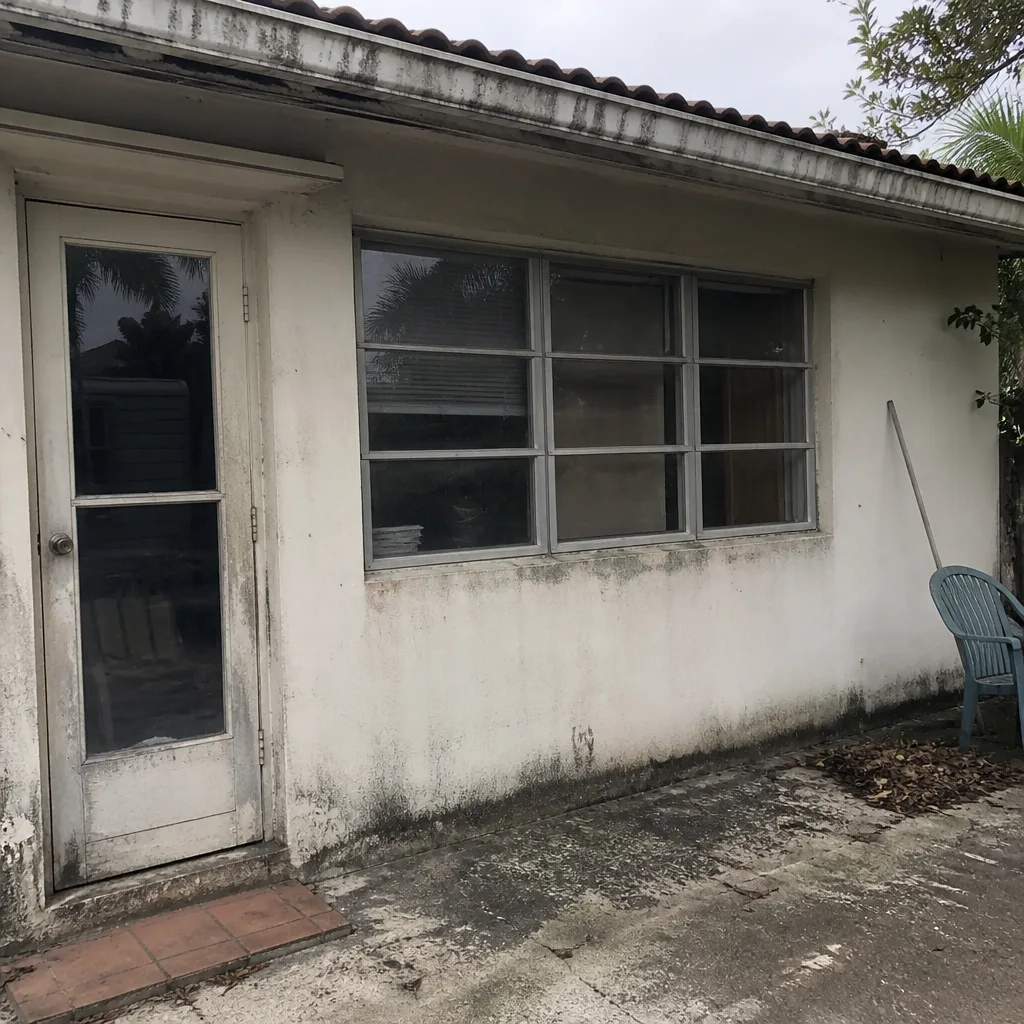 Before
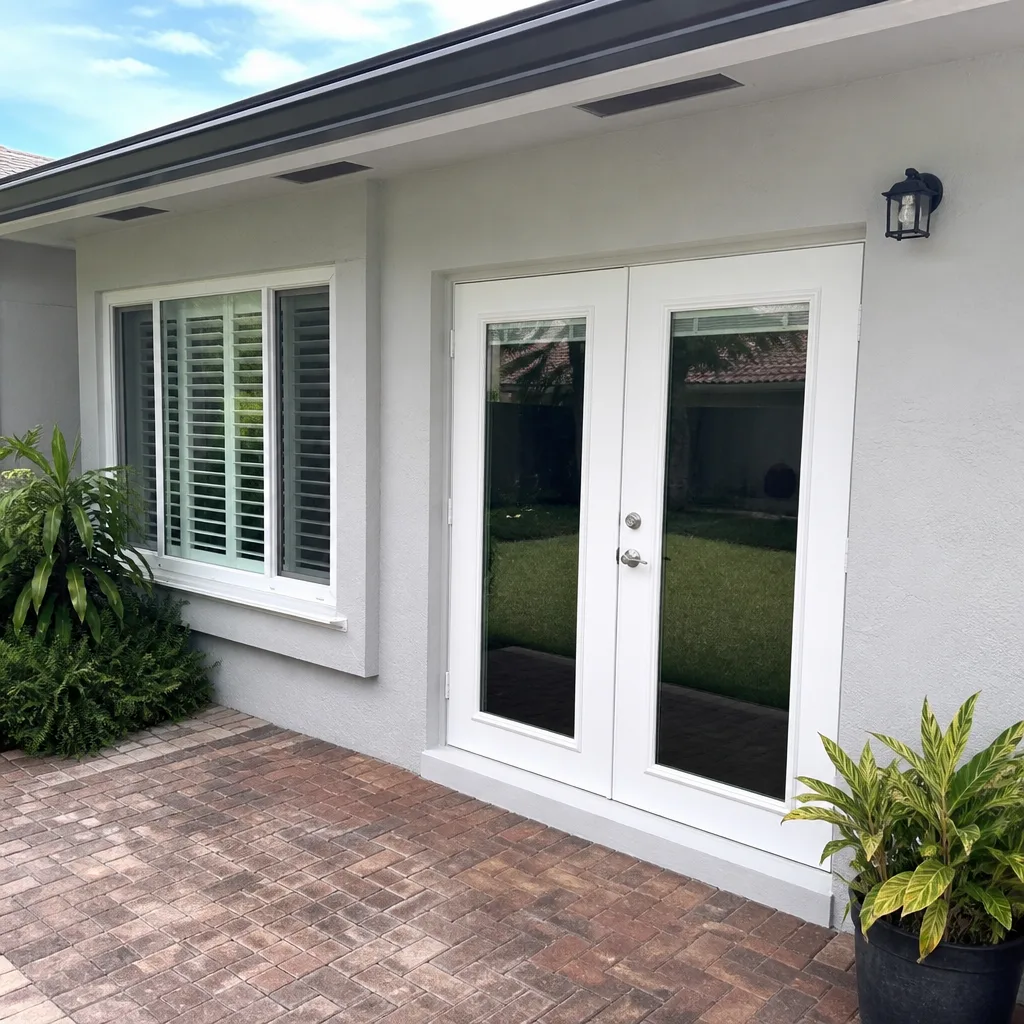 After
After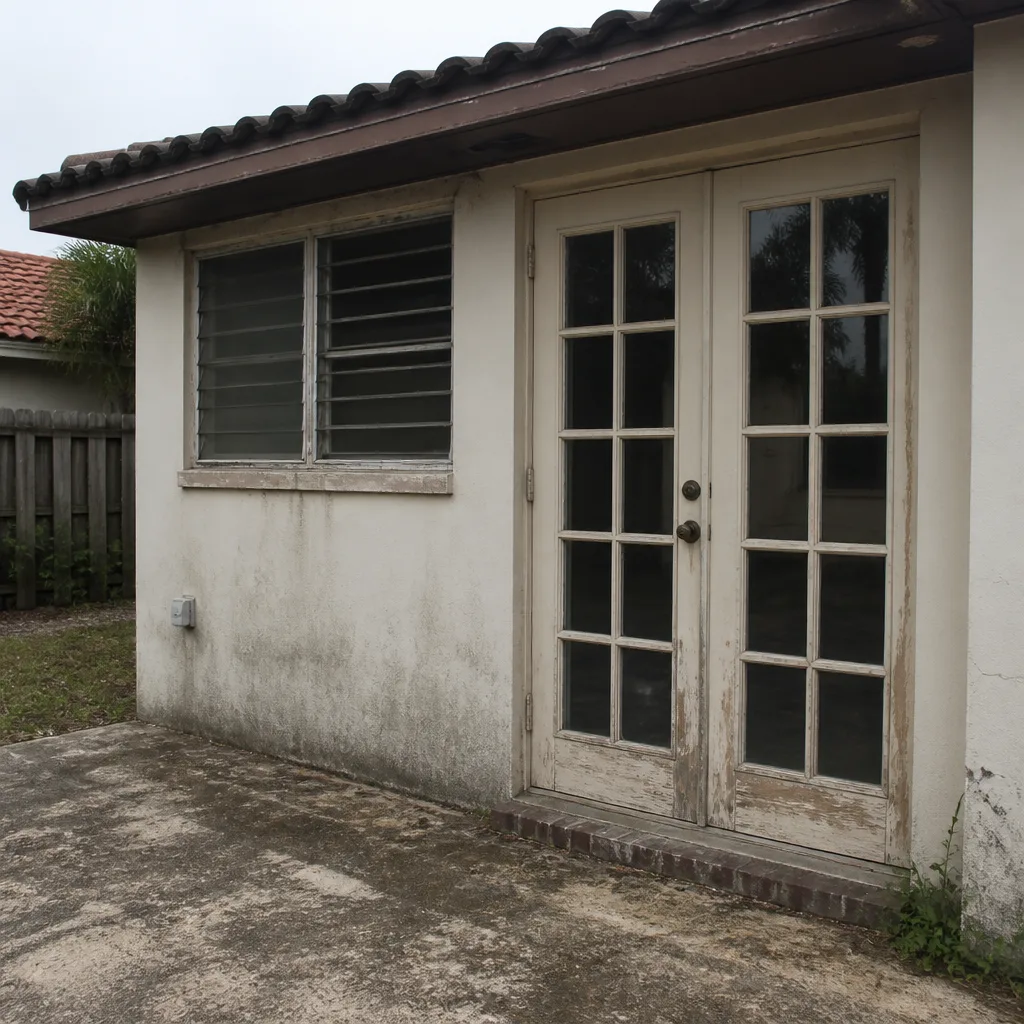 Before
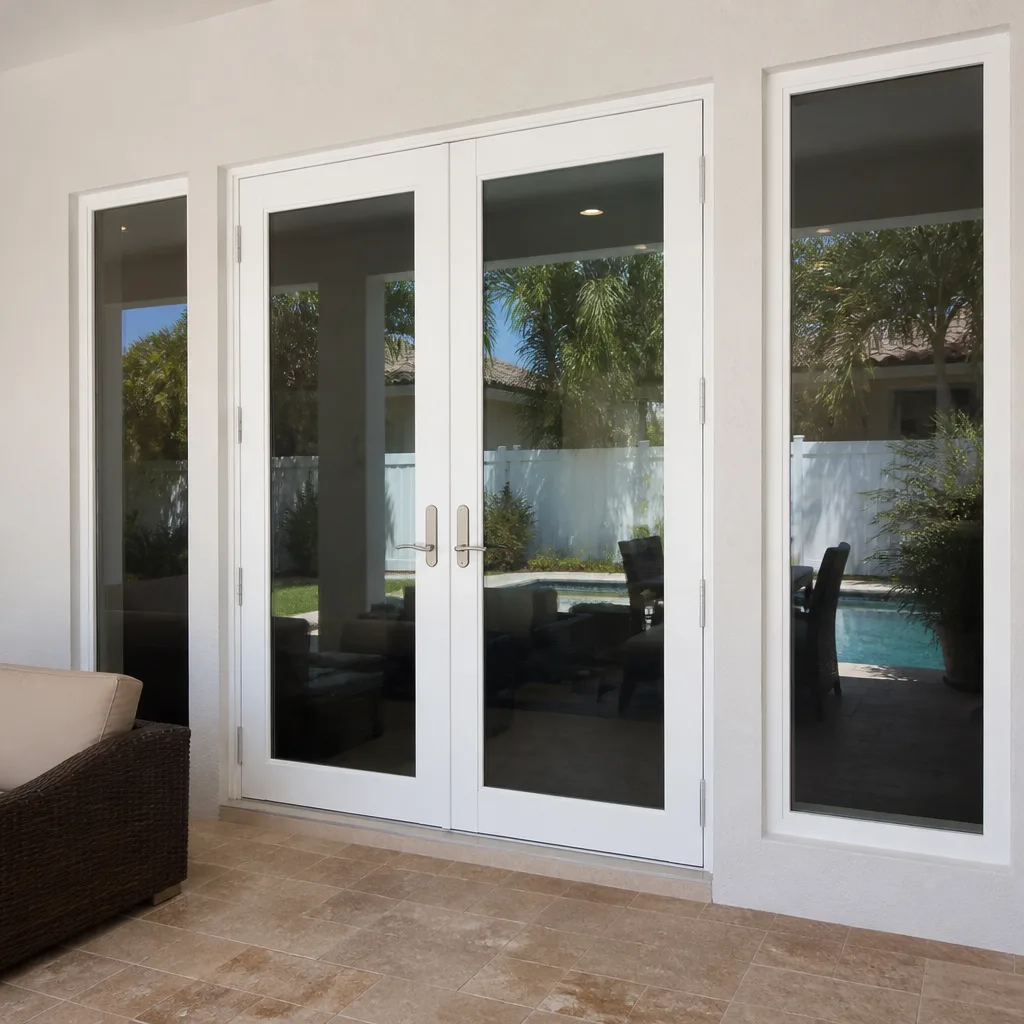 After
After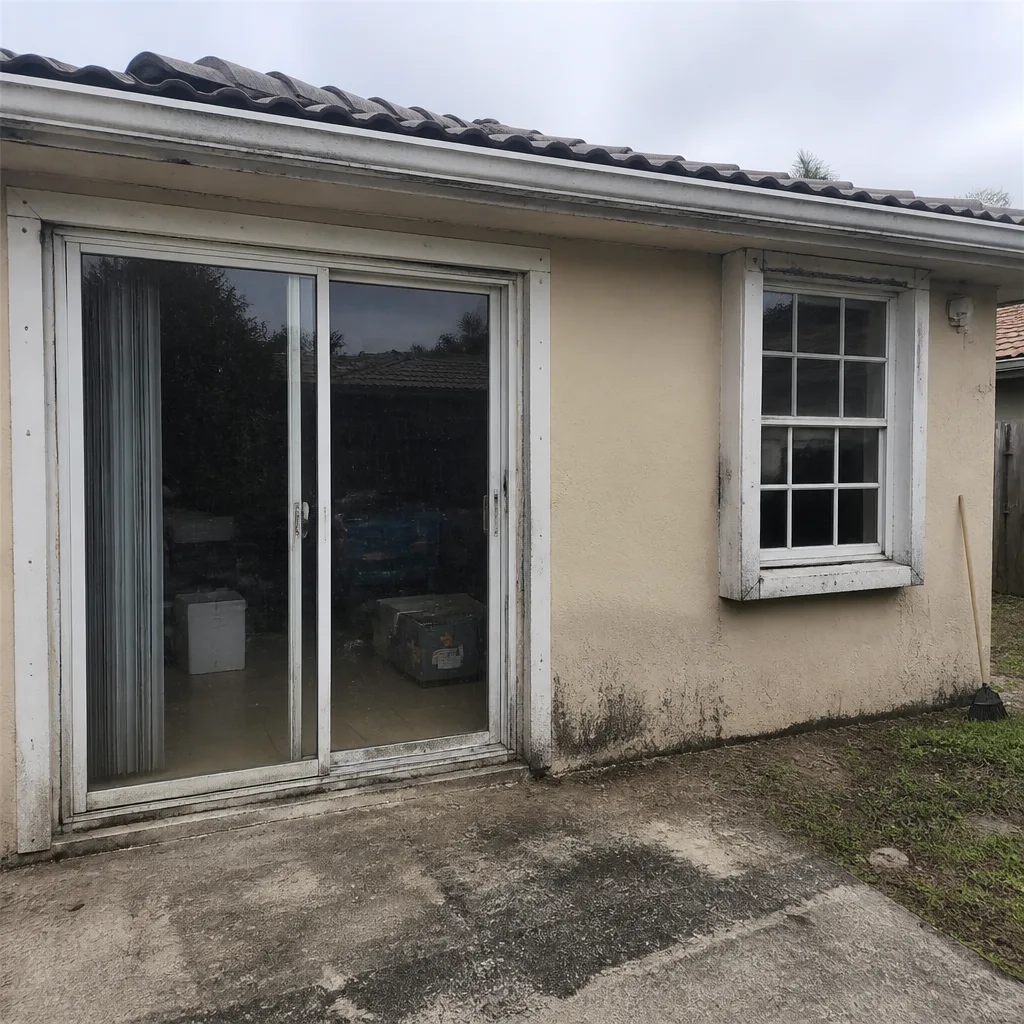 Before
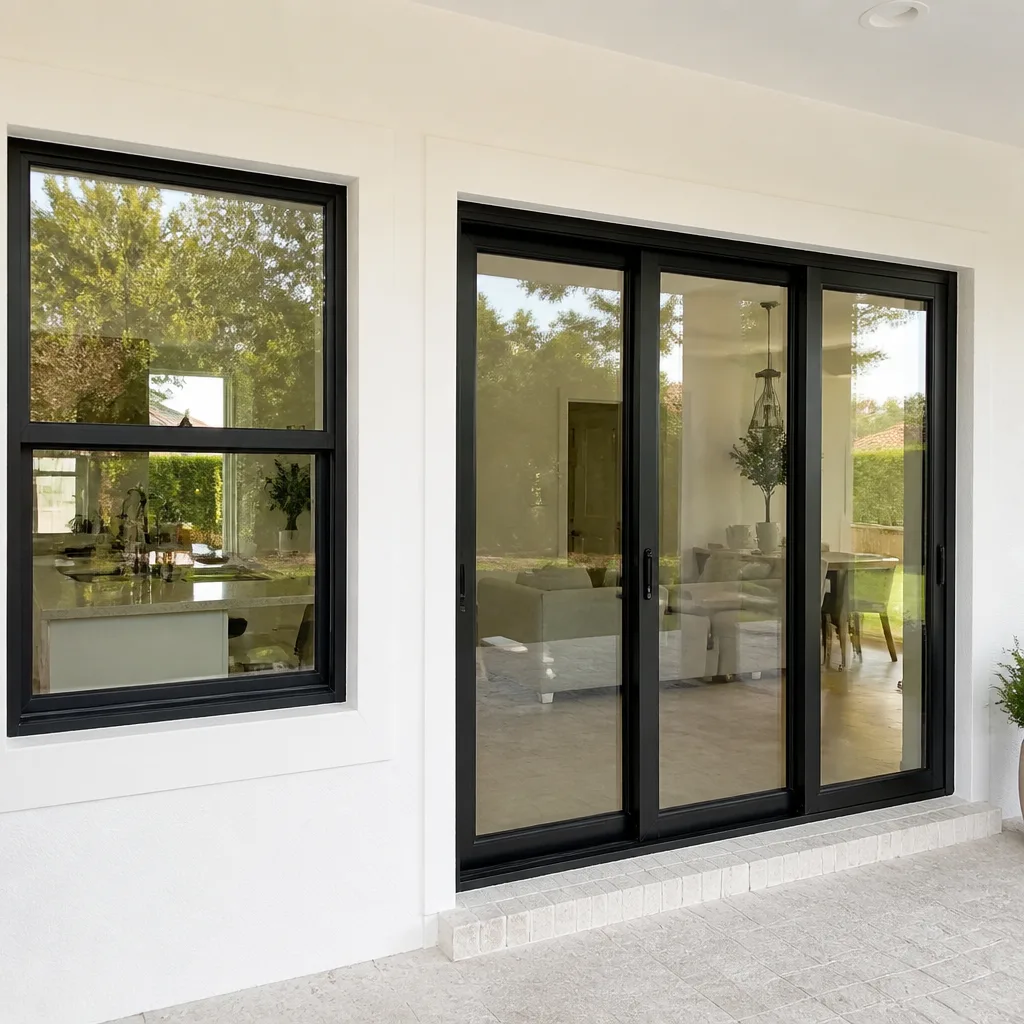 After
AfterThe Complete Guide to Windows & Doors in Kendall
Miami-Dade County has rejected more window products that passed Florida statewide testing than any other jurisdiction in the United States. A window legal to install in Orlando can be illegal to install in Kendall. That single fact governs every decision in this guide, because Kendall sits inside the most stringently regulated wind-borne debris region in the country, where the 33156 to 33196 ZIP codes carry specific exposure ratings that override generic Florida Product Approval. In the sections that follow, we will walk through the Miami-Dade Notice of Acceptance system, the insurance documentation that actually lowers your premium, the frame materials that survive salt air near Biscayne Bay, and the permit-to-inspection sequence that every legal opening replacement must follow in Miami-Dade County. For additional guidance, explore our more guides & resources.
Quick Answer
Choosing windows and doors in Kendall requires Miami-Dade Notice of Acceptance (NOA) certification, not just Florida Product Approval, because the 33156-33196 ZIP codes fall within the High-Velocity Hurricane Zone. Impact-rated products with documented NOA numbers can reduce homeowners insurance premiums by 10-45% with proper wind mitigation documentation, while non-impact alternatives may leave you uninsured or underinsured after a named storm. The legal installation sequence runs: permit application, product delivery with NOA verification, installation by a licensed contractor, and final inspection - skipping any step voids coverage and violates Miami-Dade County code.
Table of Contents
- Miami-Dade NOA vs. Florida Product Approval: Why Kendall Requires the Stricter Standard
- Impact-Rated Products and Your Insurance Premium: The Documentation That Matters
- Frame Materials for Kendall’s Humidity and Salt-Air Corridor
- What the Measured Survey Document Should Contain - And How to Read It
- The Permit, Delivery, Installation, and Inspection Sequence in Miami-Dade County
- Product Lines and Performance Tiers: Matching the Opening to the Product
- Common Mistakes to Avoid
- When to Call a Professional
- Frequently Asked Questions
- The Bottom Line
 Before
 After
AfterMiami-Dade NOA vs. Florida Product Approval: Why Kendall Requires the Stricter Standard
Florida Product Approval is a statewide system. Miami-Dade Notice of Acceptance is a county-specific system. The difference is not bureaucratic redundancy. It is a higher bar for structural performance, and every home in Kendall falls under it.
The Florida Building Code allows products to pass with Large Missile Impact testing at 34 mph. Miami-Dade NOA requires the same test at 50 mph, plus additional cyclic pressure testing that simulates the pulsing load of a hurricane eye wall passing over a structure. A product that survives the state test can still fail the county test. That is why manufacturers maintain separate certification tracks, and why a window sold as “Florida-approved” may carry no Miami-Dade NOA number at all.
For Kendall homeowners, the practical consequence is simple: any product installed without a valid NOA number will fail inspection. The permit will not close. The installation is not legal. And in the event of a claim, your insurer can deny coverage on the basis of non-compliant opening protection.
Here is how to verify what you are buying:
- Ask for the NOA number, not the Florida Product Approval number. The NOA begins with a Miami-Dade County identifier and is searchable on the county’s online database.
- Check that the NOA is current. Notices expire, and expired NOAs are treated as void for new installations.
- Confirm the product size and configuration match the NOA exactly. A 36-by-72-inch single-hung window with a specific missile rating cannot be substituted with a 36-by-60-inch unit from the same product family unless that exact size appears in the notice.
- Request the NOA document be included in your permit application package. The building department will verify it independently, but your copy is your record.
At Sightline Windows & Doors Kendall home, we specify every product by NOA number in the written quote. The measurement document and the quote are the same paper, Haven Clause 1, and the NOA verification is part of that record before any product is ordered.
Kendall’s position near Biscayne Bay adds another layer. The 33156, 33157, 33158, 33173, 33176, 33183, 33186, 33193, and 33196 ZIP codes carry varying exposure categories based on distance from the coastline and surrounding terrain. A home in the eastern reaches of 33156 faces higher design wind pressures than a home in western 33196. The NOA must cover the specific design pressure calculated for that address, not just the ZIP code. Generic “Miami-Dade approved” language without a pressure rating matched to your specific opening is insufficient.
Impact-Rated Products and Your Insurance Premium: The Documentation That Matters

Impact-rated windows and doors do not merely protect your home. They create a paper trail that insurance carriers use to calculate your premium. The documentation you receive at installation is as valuable as the product itself.
Florida law requires insurers to offer premium discounts for wind mitigation features. The standard form is the Uniform Wind Mitigation Inspection, often called the 1802 form. Section 4 of that form covers opening protection. To receive credit, the inspector must verify that every glazed opening is either impact-resistant or protected by an approved shutter system. The verification requires:
- Product labels visible on the frame, showing the NOA number or Florida Product Approval number
- Photographic evidence of each installed product
- Documentation that the product was installed according to the NOA specifications
Private carriers in Kendall typically offer 10-25% premium reductions for documented impact-rated opening protection. Citizens Property Insurance Corporation, the state-backed insurer of last resort, offers discounts at the higher end of that range, up to 45% in some cases, because impact-rated products reduce the carrier’s exposure to water intrusion claims after wind-borne debris events.
The catch: the discount applies only if the documentation is complete and verifiable. A common scenario in Kendall is a homeowner who paid for impact windows but cannot produce the product labels or installation photos, because the original contractor provided neither. The wind mitigation inspector marks Section 4 as “unknown,” and no discount is granted. The homeowner has the protection but not the premium reduction.
Haven Clause 4, Evidence on every job, addresses this directly. Every window installation in Kendall and every door installation in Kendall we complete includes a documented photo record of each installed product, with visible labels, as standard. The customer keeps this record. It is not an upsell. It is the evidence required to support the insurance discount you paid for.
For homeowners considering non-impact windows with shutter systems: shutters can qualify for the same discount, but only if they are permanently installed, labeled, and deployed according to manufacturer specifications. Temporary plywood does not qualify. Accordion shutters must be tested and labeled to the same missile-impact standard as the windows they protect. The documentation burden is identical, and the failure mode - a shutter that jams or a panel that blows off - leaves the opening unprotected in the moment of need.
Frame Materials for Kendall’s Humidity and Salt-Air Corridor
Kendall’s climate is not generic South Florida. The corridor from Dadeland south and east toward Biscayne Bay carries higher average humidity and more direct salt-air exposure than inland Miami-Dade locations. Frame material selection should reflect this specific environment, not a statewide average.
We have measured frame degradation across Kendall installations dating to 2012. The pattern is consistent: homes within two miles of the bay show accelerated corrosion on uncoated aluminum and swelling on untreated wood, while homes in western Kendall, near the Palmetto Expressway corridor, experience more thermal expansion stress from wider daily temperature swings.
Here is how the common frame materials perform in Kendall’s specific conditions:
| Material | Performance in Kendall Salt-Air Corridor | Maintenance Requirement | Typical Price Range per Opening |
|---|---|---|---|
| Vinyl (uPVC) | Excellent corrosion resistance; thermal expansion can cause seal failure in large units if not reinforced | Minimal; inspect weep holes annually | $650-$1,200 |
| Thermally Broken Aluminum | Good with proper anodizing or Kynar coating; bare aluminum corrodes within 5-7 years near the bay | Inspect coating integrity every 3 years | $850-$1,500 |
| Fiberglass | Excellent; lowest thermal expansion coefficient; paint finish can chalk in direct south exposure | Repaint every 10-15 years if color is critical | $1,100-$2,000 |
| Wood-Clad (aluminum or vinyl exterior) | Dependent on cladding seal; interior wood stable with HVAC; exterior cladding failure allows rot | Inspect cladding seams annually; reseal as needed | $1,400-$2,400 |
| Composite (wood fiber/polymer) | Good; newer material with limited long-term data in salt air; color-through construction avoids paint failure | Minimal; clean tracks and hardware | $1,200-$2,200 |
The price ranges above reflect installed cost for a typical 36-by-72-inch single-hung impact-rated window in Kendall, including permit and inspection, based on 2024 material and labor costs. Actual quotes vary by opening condition, access difficulty, and specific product selection.
In the window replacement work we have done in Kendall’s eastern neighborhoods, particularly along Snapper Creek and the canal systems feeding into Biscayne Bay, we specify fiberglass or high-grade thermally broken aluminum with marine-grade anodizing for openings within a mile of salt water. The upfront cost is higher. The replacement cycle is longer. The measured survey we provide documents the specific exposure and the material recommendation, with the reasoning written in plain English.
Vinyl remains the most common specification for interior Kendall locations, where salt corrosion is less severe and thermal performance is the priority. The key is matching the material to the specific microclimate of the address, not selecting by price alone or by brand recognition.
What the Measured Survey Document Should Contain - And How to Read It

Every window and door replacement should begin with a measured survey that the customer keeps. This document is the foundation of the written quote, and under Haven Clause 1, the quote cannot differ from it. Here is what the survey must include, and how to read each section before signing any agreement.
Opening dimensions, taken three ways. Width at top, middle, and bottom. Height at left, center, and right. The smallest width and smallest height determine the rough opening size, because walls are not plumb and headers sag. A survey that lists only one dimension per opening is incomplete and will lead to field modifications or product returns.
Frame condition assessment. The survey should note rot, termite damage, aluminum corrosion, or structural compromise in the existing frame. In Kendall, we regularly find sill rot in wood-frame homes built between 1965 and 1995, particularly in openings where sprinkler systems spray against the wall or where landscape grade has risen above the sill pan. The survey should photograph this damage and note whether frame repair is required before new product installation.
Design pressure (DP) rating required. This is calculated from your address, building height, exposure category, and surrounding terrain. A single-story home in western Kendall may require DP 50. A two-story home on the Snapper Creek canal may require DP 60 or higher. The survey should state the DP rating for each opening, and the selected product must meet or exceed it. Generic “impact-rated” language without a DP number is insufficient.
Product specification by manufacturer, series, and NOA number. Not “PGT impact window.” PGT Winguard Aluminum Single-Hung, Series 410, NOA 18-0723.04, DP 60, with specific glass makeup and hardware finish. The survey should match the quote exactly on these details.
Installation method. Fin-mount versus block-frame versus full-frame removal. The method determines whether stucco repair, interior trim replacement, or siding modification is required. In Kendall’s concrete block construction, block-frame replacement is most common, but homes with wood frame additions or second-story framing may require different approaches.
Scope of finish work. Who repairs the stucco? Who matches the interior paint? Who installs the new trim? The survey should state this explicitly. Ambiguity here generates change orders, and change orders violate Haven Clause 5, No surprises.
Permit and inspection sequence. The survey should note whether the contractor pulls the permit or whether the homeowner is expected to. In Miami-Dade County, the contractor must be licensed to pull the permit, and the permit must be in place before work begins. Post-hoc permitting is possible but expensive and delays project closeout.
At Sightline Windows & Doors Kendall, the measured survey is a multi-page document with photographs, dimensioned drawings, and a written scope. The customer initials each page. The quote references the survey by date and page number. The installation crew works from the same document. This is not standard practice in the industry. It is standard practice under the Haven Standard.
The Permit, Delivery, Installation, and Inspection Sequence in Miami-Dade County
Every legal window and door replacement in Kendall follows a sequence governed by Miami-Dade County building code and enforced by the Miami-Dade Building Department. Skipping steps or reversing order creates liability, voids insurance, and can trigger stop-work orders. Here is the sequence, with the specific requirements at each stage.
Step 1: Permit application. The licensed contractor submits a permit application with product cut sheets, NOA documents, and a site plan showing the openings to be modified. Homeowner permits are permitted for owner-occupants but require the same documentation and expose the homeowner to liability as the responsible party. Most Kendall homeowners have the contractor pull the permit. The permit fee is based on project valuation and is typically $200-$500 for a full-home window replacement.
Step 2: Permit review and issuance. Miami-Dade reviews the NOA validity, the DP rating match, and the contractor license status. Review time varies seasonally; in the months following a named storm, backlog can extend review to 4-6 weeks. During calm periods, 2-3 weeks is typical. The permit cannot be issued if the NOA is expired or if the product is not listed for the specified application.
Step 3: Product delivery and verification. Products must be delivered to the site with labels intact. The installation crew photographs each unit’s label before installation, matching the NOA number to the permit documents. This is the evidence that will be required at inspection. Products without labels, or with labels that do not match the permit, will fail inspection and must be removed.
Step 4: Installation. The work must follow the NOA installation instructions exactly. Fastener type, spacing, and embedment depth are specified. Flashing details, sill pan configuration, and sealant requirements are documented. Deviation from the NOA, even for convenience, voids the certification and the permit.
Step 5: Rough inspection. For full-frame replacements or where structural modification occurs, a rough inspection verifies framing, flashing, and fastening before the opening is closed. This inspection must pass before insulation, interior trim, or finish work proceeds.
Step 6: Final inspection. The inspector verifies product labels, installation method, and finish work. In Miami-Dade, final inspection includes a visual check of every opening for proper operation, label visibility, and code compliance. The inspection record is filed with the county and becomes part of the property’s permit history.
Step 7: Certificate of completion. Once final inspection passes, the permit is closed and a certificate of completion is issued. This document is required for wind mitigation inspections and may be required for insurance policy renewal or sale of the property.
The entire sequence typically spans 6-10 weeks for a full-home replacement in Kendall, depending on permit backlog, product lead times, and inspection scheduling. Contractors who promise significantly faster timelines are often working without permits or planning to rush inspections, both of which expose the homeowner to risk.
Product Lines and Performance Tiers: Matching the Opening to the Product
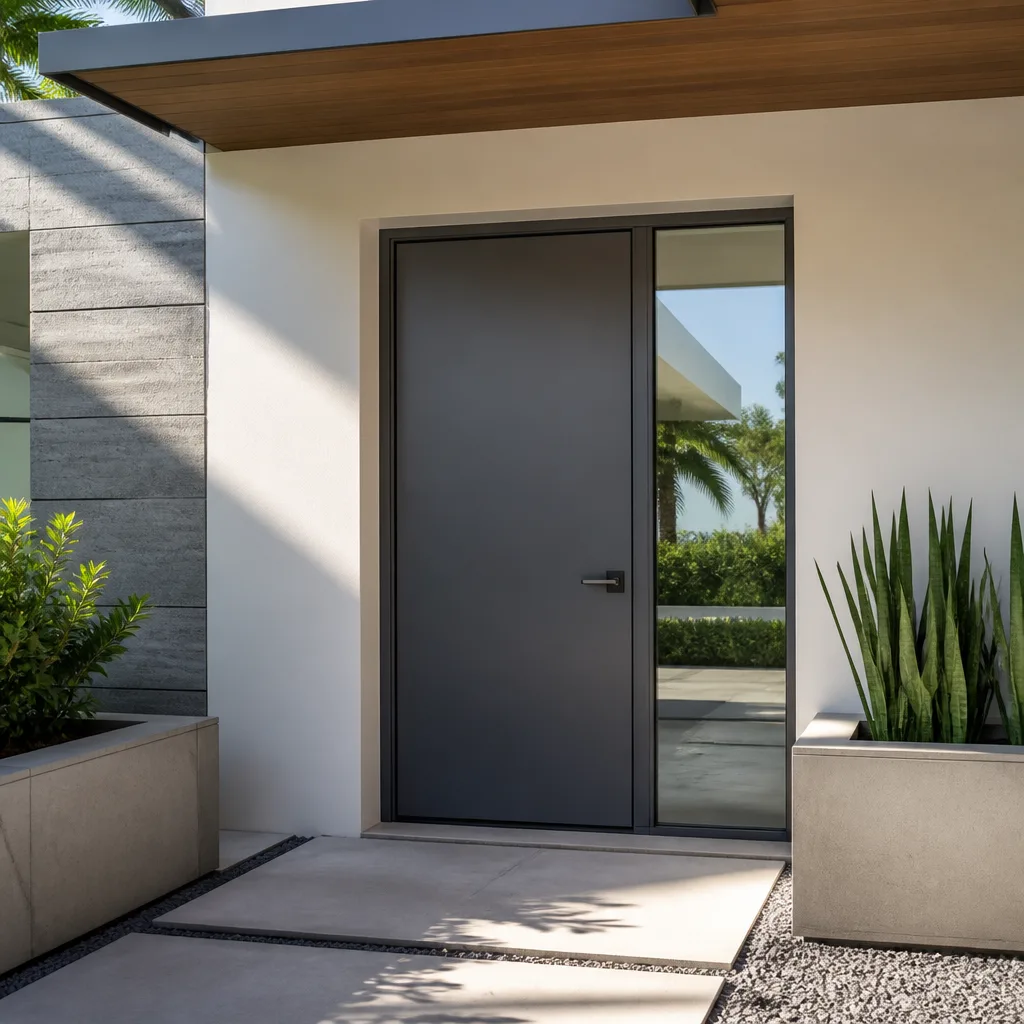
Sightline Windows & Doors Kendall draws from eight manufacturer lines, specified by what the opening requires, not by what is in stock. We do not warehouse inventory. We measure, specify, and order. This eliminates the pressure to sell what is on hand and ensures the product matches the performance requirement.
Here is how we categorize the lines by typical application in Kendall:
- PGT Winguard Aluminum and Vinyl Series: The most commonly specified line for Kendall single-family homes. Aluminum for coastal exposure, vinyl for interior locations. Wide range of operating styles, extensive NOA coverage, and established supply chain. Typical range: $750-$1,400 per opening installed.
- CGI Estate Collection and Sentinel Series: Premium aluminum with heavier wall extrusions and more hardware options. Specified where design pressure requirements exceed PGT’s standard offerings or where architectural review boards require specific aesthetic profiles. Typical range: $1,100-$1,900 per opening installed.
- CWS (Custom Window Systems): Strong in vinyl impact products with good thermal performance numbers. Specified for energy-conscious homeowners in western Kendall where cooling costs dominate. Typical range: $800-$1,500 per opening installed.
- ES Windows and ECO Window Systems: Value-tier aluminum impact products with adequate NOA coverage for most Kendall applications. Specified where budget constraints are primary and performance requirements are standard. Typical range: $650-$1,100 per opening installed.
- Mr-Glass: Specialty and custom geometric shapes. Specified for transoms, circles, and architectural features where standard rectangles will not serve. Typical range: $1,500-$4,000 per opening installed, highly variable by geometry.
- Therma-Tru: Entry door systems, including impact-rated fiberglass and steel. Specified for front door replacement where the entry is a focal point and security is a priority. Typical range: $2,500-$5,500 per installed system with hardware and sidelights.
- ViewLux: High-performance vinyl with slim sightlines for maximum glass area. Specified where view preservation is critical, particularly in eastern Kendall homes overlooking water or golf course. Typical range: $950-$1,700 per opening installed.
The ranges above include product, installation, permit, and inspection for a typical replacement in Kendall. They do not include structural repair, stucco remediation, or interior finish work beyond standard trim. The measured survey identifies these additional needs before the quote is written.
We have installed PGT products in over 60% of our Kendall projects since 2012, not because of margin preference but because the NOA coverage and supply reliability match the market. CGI enters the specification when the opening demands it. ViewLux appears when the sightline - the actual visible glass area, which is what we named the company for - is the deciding factor. The product serves the opening. The opening does not serve the product.
Common Mistakes to Avoid
- Accepting “Florida-approved” as sufficient. Florida Product Approval does not equal Miami-Dade NOA. Verify the NOA number on every product, or risk permit rejection and insurance denial.
- Ignoring the design pressure rating. A DP 50 window installed where DP 60 is required will fail inspection. The DP is calculated from your specific address, not guessed from the ZIP code.
- Choosing frame material by price alone. Vinyl near Biscayne Bay without proper reinforcement can expand and contract beyond seal tolerance. Aluminum without marine-grade coating corrodes. Match material to microclimate.
- Starting work before permit issuance. Miami-Dade issues stop-work orders and can require removal of unpermitted installations. The permit must be in hand, not “in process.”
- Failing to document product labels. Insurance discounts require visible, photographed labels at the time of wind mitigation inspection. If your contractor does not provide this documentation, you may lose the premium reduction you paid for.
- Assuming all impact windows qualify for the same insurance discount. The discount depends on the inspector’s ability to verify every opening. Partial protection - impact windows on the front, standard glass on the rear - typically yields no discount.
- Neglecting to verify contractor license status. Miami-Dade requires an active certified contractor license to pull permits. Verify through the county’s online system; expired or revoked licenses are common in complaint histories.
When to Call a Professional
Window and door replacement in Kendall is not a project for the general handyman or the homeowner seeking to self-permit, as our DIY vs Professional Windows & Doors: The Kendall Homeowner’s Decision Guide explains in detail. The Miami-Dade NOA system, the design pressure calculations, the permit sequence, and the insurance documentation requirements create a regulatory environment where specialized expertise is not a luxury but a necessity.
Call a licensed window and door contractor when: you need to verify whether your existing products are impact-rated and properly documented; you are replacing more than one opening and need permit coordination; your frame shows rot, corrosion, or structural compromise; your insurance renewal requires updated wind mitigation documentation; or you have received a quote and want a free second opinion on the specification and pricing. For help selecting the right professional, see our guide on How to Hire a Windows & Doors Contractor in Kendall: A Step-by-Step Guide.
Sightline Windows & Doors Kendall offers free estimates in Kendall. Every estimate includes the measured survey you keep, the written price before any work starts, and a documented photo record when the job is done. Call (786) 321-3319 to schedule your survey.
Frequently Asked Questions
Window replacement in Kendall typically ranges from $650 to $2,400 per opening installed, depending on frame material, impact rating, size, and access difficulty. A full-home replacement for a 2,000-square-foot house with 15-18 openings generally falls between $12,000 and $28,000, including permit and inspection. Call (786) 321-3319 for an exact quote based on your measured survey - estimates are free.
No. Haven Clause 1 states that the measured survey and the written quote are the same document. If we encounter concealed damage - rot behind siding, for example - we document it, stop work, and present a written amendment before proceeding. We do not proceed at a higher price without your initials on the change. That is No surprises, Haven Clause 5.
Yes. Sightline Windows & Doors Kendall pulls all required permits as the licensed contractor of record. The permit is included in the written scope, with the fee itemized. We coordinate inspection scheduling and ensure the certificate of completion is issued before final payment.
From measured survey to final inspection, a typical full-home replacement in Kendall spans 6-10 weeks. Permit review accounts for 2-4 weeks, product manufacturing and delivery 3-5 weeks, installation 2-5 days depending on opening count, and inspection scheduling 1-2 weeks. We provide a written timeline with the quote.
Yes, with proper documentation. Impact-rated windows and doors with visible product labels and installation photos can qualify for wind mitigation discounts of 10-45% on the wind portion of your homeowners premium. The discount requires a Uniform Wind Mitigation Inspection (form 1802) with Section 4 completed by a licensed inspector. We provide the product documentation and photo record required for this inspection on every job.
PGT and CGI are both Miami-Dade NOA-approved aluminum impact window manufacturers with extensive product lines. PGT offers broader operating style options and generally leads on supply chain reliability. CGI uses heavier extrusions and more hardware configurations, making it preferable for very high design pressures or specific architectural requirements. We specify between them based on the opening’s DP requirement and the homeowner’s aesthetic preference, not by margin.
The Bottom Line
Every window and door decision in Kendall is constrained by three factors that this guide treats as the starting framework: Miami-Dade Notice of Acceptance requirements that exceed statewide standards, design pressure ratings specific to the 33156-33196 ZIP codes, and insurance documentation that converts product performance into premium savings. The homeowner who understands these constraints before contacting contractors will ask better questions, receive more accurate quotes, and avoid the common failures of permit rejection, inspection failure, and lost insurance discounts. The measured survey is the tool that translates these constraints into a specific scope and price. It should be written, detailed, and kept by the homeowner. Anything less leaves room for the surprises that the Haven Standard was built to prevent.
Written by Sonia Raman, Owner at Sightline Windows & Doors Kendall, serving Kendall since 2012.